

For many first-time visitors, planning a Uganda safari begins with one experience: seeing mountain gorillas. But once you start researching the country, you quickly discover that Uganda offers much more than gorilla trekking.
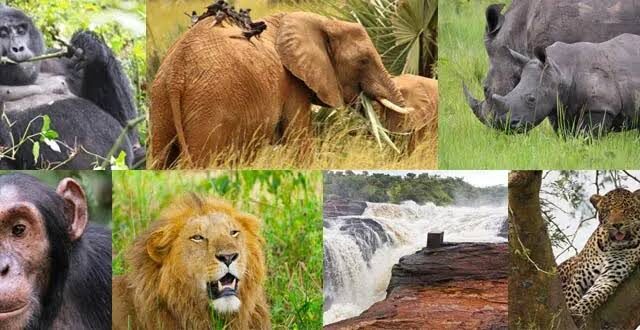
Chimpanzees move through tropical forests. Lions patrol savannah plains. Elephants gather near waterways. Hippos crowd the Kazinga Channel and Nile. Rhinos can be encountered at Ziwa Rhino Sanctuary, while giraffes, buffalo, antelopes and hundreds of bird species make Uganda an exceptionally varied wildlife destination.
That creates an important planning question: How should you combine gorilla trekking with the rest of a Uganda safari? The best Uganda gorilla trekking safari itinerary depends mainly on how many days you have, where you enter the country and which other wildlife experiences matter most to you. For first-time travelers, here are the routes we would consider first.
Why You Should Combine Gorilla Trekking With a Safari
It is completely possible to travel to Uganda purely for gorilla trekking. A short trip can take you from Entebbe or Kigali to Bwindi Impenetrable National Park, allow you to trek gorillas and return. But if you have additional time, combining gorillas with a wildlife safari creates a much richer introduction to Uganda. Gorilla trekking is a forest experience. Traditional safari game viewing takes place in very different environments.
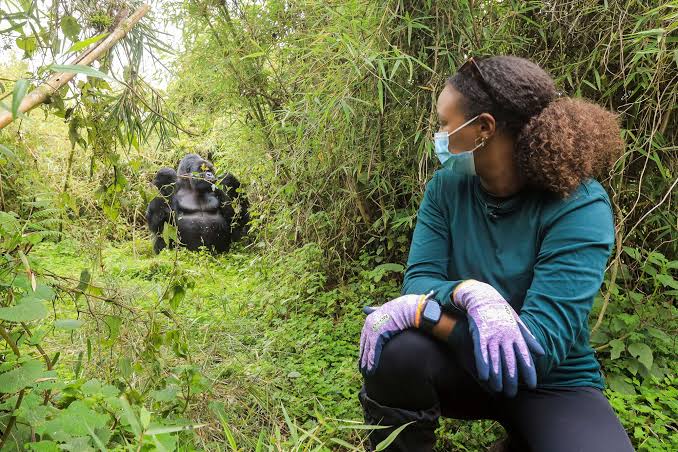
On one part of your journey, you may walk through dense vegetation searching for a gorilla family. Several days earlier, you could have been watching elephants cross open savannah or hippos resting beside a channel. This contrast is one of Uganda’s greatest strengths.
The 3-Day Gorilla Trek: Best for Travelers With Very Limited Time
If you have only three days, concentrate exclusively on gorillas. A typical route begins from Entebbe or Kampala and travels toward Bwindi on the first day. The second day is dedicated to gorilla trekking. The third day returns toward Entebbe. A similar short itinerary can begin and end in Kigali, depending on your overall travel arrangements and the specific Bwindi trekking sector.
This is not a complete Uganda safari. However, it works well for travelers adding gorilla trekking to a larger East African itinerary. For example, someone already visiting Kenya or Tanzania may have only a few extra days available. In that situation, trying to add Queen Elizabeth or Kibale can make the journey unnecessarily rushed.
The 5-Day Gorilla and Wildlife Safari
Five days is where the itinerary becomes much more interesting. A strong route combines Queen Elizabeth National Park with Bwindi Impenetrable National Park. Day one takes you from Entebbe toward Queen Elizabeth. Day two can include an early game drive and a boat safari on the Kazinga Channel. Day three travels south through Ishasha toward Bwindi.
Day four is gorilla trekking. Day five returns toward Entebbe. This itinerary introduces two dramatically different sides of Uganda. Queen Elizabeth provides savannah wildlife, while Bwindi delivers the forest experience.
Why Queen Elizabeth Works So Well With Bwindi
Geography is the main advantage. Queen Elizabeth lies naturally along the western and southwestern safari circuit. Traveling through the Ishasha sector creates a logical connection toward Bwindi. Instead of flying or driving back toward central Uganda between experiences, you continue generally south. Ishasha also adds another wildlife opportunity.
The area is famous for its tree-climbing lions, although sightings should never be considered guaranteed.
The 6-Day Gorilla, Chimpanzee and Wildlife Safari
With six days, Kibale National Park becomes possible. A typical route may follow: Entebbe → Kibale → Queen Elizabeth → Bwindi → Entebbe. This is one of our favorite shorter Uganda circuits because it introduces both of Uganda’s flagship great ape experiences. In Kibale, you trek chimpanzees. At Queen Elizabeth, you switch to traditional game viewing.
In Bwindi, you trek mountain gorillas. Three wildlife experiences. Three different environments. And three completely different styles of observation.
Day-to-Day Experience on a Six-Day Route
The first day involves travelling from Entebbe toward Kibale. Day two begins with chimpanzee trekking before continuing toward Queen Elizabeth National Park. Day three can include a morning game drive and Kazinga Channel boat safari. Day four travels through Ishasha toward Bwindi. Day five is dedicated to gorilla trekking.
Day six returns to Entebbe. The schedule is relatively active, but it is achievable for travelers who want maximum wildlife variety within a limited period.
The 7-Day Uganda Gorilla Trekking Safari Itinerary
Seven days gives the route more breathing room. Instead of simply moving between major activities, you can spend more meaningful time in the destinations. A strong seven-day route could be: Day 1: Entebbe to Kibale. Day 2: Chimpanzee trekking and transfer to Queen Elizabeth. Day 3: Kasenyi game drive and Kazinga Channel cruise. Day 4: Ishasha game drive and transfer to Bwindi.
Day 5: Gorilla trekking. Day 6: Lake Bunyonyi or Lake Mburo. Day 7: Return to Entebbe. For first-time visitors who cannot spend ten days in Uganda, this may be the best overall balance.
Why Add Lake Bunyonyi?
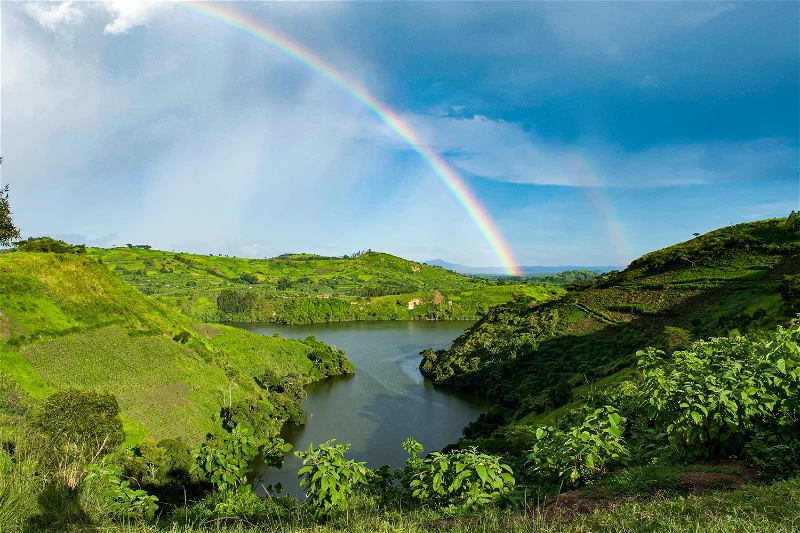
Gorilla trekking can be physically demanding. After days of driving, wildlife viewing and forest trekking, travelers often appreciate somewhere quiet. Lake Bunyonyi provides exactly that. The surrounding hills create beautiful scenery, while a relaxed boat trip or afternoon at the lodge offers a change from wildlife-focused activities. It is especially appealing to couples and honeymooners.
However, travelers focused entirely on wildlife may prefer Lake Mburo.
The 8-Day Gorilla, Chimpanzee and Wildlife Safari
Eight days allows you to slow down further or add activities without drastically changing the route. One possibility is spending two nights around Kibale. This can allow a relaxed arrival before chimpanzee trekking rather than combining the trek with an immediate transfer. Another possibility is adding a second Queen Elizabeth game drive. You could also spend extra time in Bwindi or Lake Bunyonyi.
The biggest benefit of the eighth day is not necessarily another destination. It is a better pace.
The 10-Day Classic Uganda Safari
If this is your first trip to Uganda and you have approximately ten days, the classic route becomes especially attractive. You can now realistically include Murchison Falls National Park.
A strong itinerary follows: Entebbe → Ziwa Rhino Sanctuary → Murchison Falls → Kibale → Queen Elizabeth → Bwindi → Lake Mburo or Lake Bunyonyi → Entebbe. This creates one of Uganda’s most comprehensive first-time safari experiences.
Why Add Murchison Falls?
Murchison adds northern Uganda’s broad savannah landscapes and the Nile. Wildlife commonly associated with the park includes giraffes, elephants, buffalo and numerous antelope species. Game drives can be combined with a Nile boat safari. A visit around the falls introduces the geological drama that gives the park its name. When Ziwa Rhino Sanctuary is incorporated into the route, travelers can also add rhinos to their wildlife experience.
The result is far more than a gorilla holiday. It becomes a complete Uganda wildlife journey.
The 12-Day Uganda Safari
Twelve days is excellent for travelers who dislike rushing. You can follow essentially the same major circuit as the ten-day itinerary but add additional nights where they matter most. For example, consider two nights around Murchison after arrival, two around Kibale, two or three around Queen Elizabeth and two around Bwindi. Extra time also improves photography. Wild animals do not follow itineraries.
The longer you remain in a destination, the greater the opportunity to experience different behavior and conditions.
The 14-Day Uganda Safari
Two weeks allows you to go beyond the standard highlights. You can include Mgahinga Gorilla National Park, golden monkey tracking, additional birding, Lake Bunyonyi, Lake Mburo or cultural experiences. You can also simply slow down. This is especially important for travelers coming from distant countries who may prefer not to spend every day changing lodges. Two-week itineraries are also excellent for wildlife photographers.
Should You Include Chimpanzee Trekking?
For most first-time visitors interested in primates, yes. Gorillas and chimpanzees offer surprisingly different encounters. Mountain gorillas are largely terrestrial and may spend extended periods feeding or resting within a relatively contained area. Chimpanzees are often more mobile. They climb trees, vocalize loudly and may travel through the forest quickly.
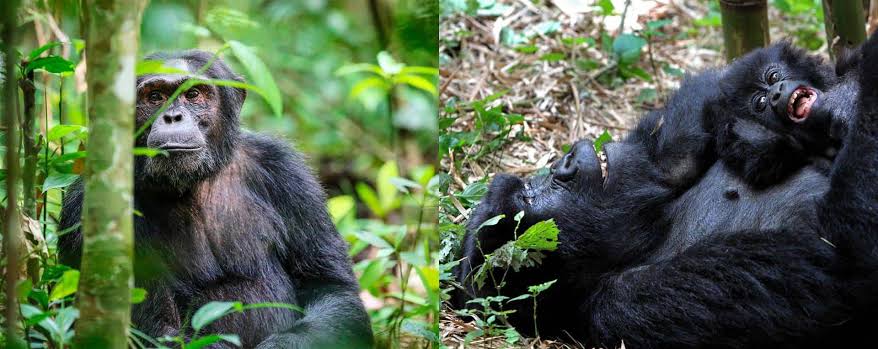
Doing both allows you to appreciate the enormous behavioral differences between Africa’s great apes.
Should You Include Queen Elizabeth National Park?
Queen Elizabeth is particularly useful because of its location between Kibale and Bwindi. It also gives first-time visitors the traditional safari experience many imagine when thinking about Africa. Game drives can reveal elephants, buffalo, Uganda kob and other wildlife. The Kazinga Channel cruise adds hippos, waterbirds and shoreline viewing. Ishasha provides another opportunity for game viewing while continuing toward Bwindi.
From an itinerary-design perspective, Queen Elizabeth fits almost perfectly.
Should You Include Murchison Falls?
Include Murchison when you have approximately nine or ten days or more. With fewer days, adding Murchison can make the itinerary too rushed. The distances involved are significant. A six-day safari that attempts Murchison, Kibale, Queen Elizabeth and Bwindi may look impressive on paper but can involve exhausting transfers. More destinations do not automatically create a better safari.
Entebbe or Kigali?
Both can work depending on the itinerary. Entebbe is the natural gateway when undertaking a longer Uganda circuit. It works particularly well for Murchison, Kibale, Queen Elizabeth and Bwindi itineraries. Kigali can be useful for short trips concentrated around southwestern Uganda. Travelers visiting Bwindi or Mgahinga may find Kigali geographically convenient, although border procedures and route logistics need to be considered.
If your safari covers much of Uganda, Entebbe generally creates the more natural overall route.
Private Safari vs Group Safari
A private safari gives you your own vehicle and greater flexibility. You can stop for photographs, adjust your pace and design the itinerary around your interests. Group safaris can offer better value, particularly for solo travelers. Vehicle and guide expenses are shared between participants. When comparing prices, always check what is included.
An apparently cheaper itinerary may exclude permits, park activities or important transfers.
Budget, Mid-Range or Luxury?
Your accommodation level can dramatically change the overall safari price. Budget lodges provide straightforward accommodation and focus your spending on wildlife activities. Mid-range lodges usually offer an excellent combination of comfort and value. Luxury properties provide premium locations, service and facilities. The gorillas are the same regardless of which lodge you use.
A luxury room does not provide a different gorilla family. The difference is how comfortable you are before and after the trek.
Gorilla Permits Should Shape the Itinerary
One of the biggest planning mistakes is choosing lodges before confirming the correct gorilla trekking sector. Bwindi has multiple trekking areas. Your accommodation needs to match the location associated with your permit and itinerary. Otherwise, you can create unnecessarily difficult early-morning transfers. Permit availability should therefore be considered early in the planning process.
How Fit Do You Need to Be?
Gorilla trekking difficulty varies. The gorillas move freely, so nobody can predict exactly how far you will hike. Some treks are relatively straightforward. Others involve steep forest slopes and several hours of walking. A porter can be extremely helpful.
Even travelers who normally carry their own bags may appreciate having assistance on slippery terrain. Hiring porters also creates direct local employment.
The Best Itinerary for Most First-Time Visitors
If we had to select one route for someone making their first trip to Uganda, we would usually recommend between seven and ten days. With seven days, concentrate on Kibale, Queen Elizabeth and Bwindi. With ten days, add Murchison Falls and Ziwa Rhino Sanctuary. This provides enough diversity without turning the safari into a race.
Final Thoughts
The perfect Uganda gorilla trekking safari itinerary is not the itinerary with the largest number of national parks. It is the itinerary that matches your time, interests and preferred pace. If you have three days, focus on gorillas. With five days, add Queen Elizabeth. With six or seven days, add chimpanzees in Kibale.
With ten days, bring Murchison Falls into the journey. With twelve to fourteen days, slow everything down and explore Uganda more deeply. Whatever route you choose, make the gorilla trek part of a broader story rather than simply another activity on a checklist.
Uganda’s magic lies in the transitions: from open savannah to tropical forest, from elephants beside a channel to chimpanzees calling overhead, and finally to the moment you step through dense vegetation and find yourself looking into the eyes of a mountain gorilla.
 Read
Read 

