
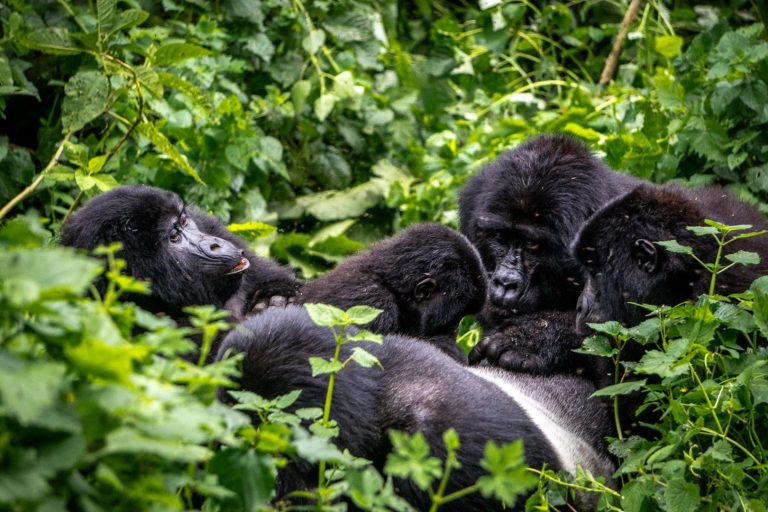
What to Wear Gorilla Trekking in Uganda and Rwanda
Knowing what to wear gorilla trekking is essential for a comfortable experience in Uganda's Bwindi Impenetrable National Park and Mgahinga Gorilla National Park or Rwanda's Volcanoes National Park. Gorilla trekking takes place in genuine mountain forest. Trails can be steep.
Vegetation can be dense. Rain can occur at any time. Mud and slippery surfaces are common, particularly during wetter months.
The right clothing protects your body from vegetation, insects, moisture and changing temperatures while still allowing you to move comfortably for several hours. You do not need expensive expedition clothing. You do need practical clothing.
The basic gorilla trekking outfit should consist of hiking boots, long trousers, a long-sleeved shirt, rain protection, good socks and gloves.Wear Proper Hiking Boots
Footwear is the single most important part of your trekking clothing. Wear sturdy hiking boots with good grip. The best boots provide: Water resistance. Avoid new boots that have never been worn. Break them in before travel.
Walk several kilometers in them and test them on hills if possible. Blisters can turn a beautiful trek into an uncomfortable experience. Ordinary running shoes may be suitable for some easier walks but are generally less appropriate for muddy, steep rainforest conditions.
Waterproof or Water-Resistant Boots
Waterproof footwear is highly useful. Rain can fall even during the relatively dry months. Trails can also remain wet from overnight rainfall.
Crossing muddy areas in lightweight casual shoes can quickly result in wet socks and uncomfortable feet. Good trekking boots do not need to be extremely heavy. Modern lightweight waterproof hiking boots can provide an excellent balance between comfort and protection.
Wear Long Trousers
Long trousers are strongly recommended. They protect your legs from: Scratching vegetation. Other forest plants. Quick-drying hiking trousers work particularly well. Choose material that allows free movement. Avoid very tight trousers that restrict climbing or large loose trousers that catch easily on vegetation.
Avoid Jeans
Jeans are generally poor gorilla trekking clothing. They absorb moisture. Once wet, denim becomes heavy and takes a long time to dry.
Wet jeans can also restrict movement. Lightweight trekking trousers dry more quickly and feel significantly more comfortable. If you want jeans for evenings or city travel, keep them at the lodge during trekking day.
Tuck Your Trousers Into Your Socks?
Some trekkers choose to tuck trouser bottoms into socks. This can help reduce the chance of insects entering the trouser legs. However, gaiters provide a more complete solution.
If you use gaiters, they cover the lower trousers and boot opening more effectively. Whether you tuck trousers into socks is therefore partly a personal preference.
Wear a Long-Sleeved Shirt
Long sleeves protect your arms from vegetation. Choose a breathable fabric. Forest trekking can become warm during physical activity, so avoid an unnecessarily heavy shirt.
Synthetic or technical hiking materials often dry faster than cotton. A collared trekking shirt can also provide useful neck protection. The most important qualities are comfort, breathability and full arm coverage.
Quick-Drying Fabrics
Quick-drying clothing is particularly useful during the rainy seasons. Technical outdoor fabrics shed moisture faster than heavy cotton. This becomes important when clothing is soaked by rain or wet vegetation.
Wear a Waterproof Jacket
A lightweight waterproof jacket should be carried every trekking day. Even if the morning weather is clear, conditions can change quickly. Choose a jacket that is: Breathable if possible. Large enough to fit over your trekking shirt. Avoid very heavy raincoats unless you are comfortable carrying them for several hours.
A compact shell is usually more practical.
Should You Wear a Poncho?
A poncho can provide broad rain coverage, including over a backpack. However, loose material can catch on vegetation. Some travelers prefer fitted waterproof jackets for this reason.
A lightweight poncho can still be useful if designed for hiking. The choice depends on personal preference. Whatever you use, make sure it does not significantly restrict movement.
Wear Gaiters
Gaiters are one of the best optional clothing items. They cover the lower legs and top of the boots. They help prevent: Mud entering footwear. Rainwater running into boots. Debris entering shoes.
Insects getting inside trouser legs. Gaiters are especially valuable during March, April, May, October and November. However, they can be useful in any month.
Wear Gardening Gloves
Hands can need protection because trekkers sometimes use branches or vegetation for balance. Simple gardening-style gloves are excellent. They help protect against: Minor scratches. Choose gloves with good grip. There is generally no need for thick winter gloves. The goal is hand protection without losing dexterity.
Wear Good Hiking Socks
Good socks improve comfort significantly. Choose hiking socks that fit properly inside your boots. Moisture-wicking fabrics can help reduce dampness. Avoid socks that bunch or slide inside the boot. Carry a spare dry pair at the lodge. After trekking, changing into clean socks can feel particularly welcome.
Consider Sock Liners
Some hikers use thin liner socks beneath hiking socks to reduce friction. This may help prevent blisters for travelers who already use this system. Do not introduce an unfamiliar sock combination for the first time on trekking morning.
Test it during preparation walks. Comfort is personal. Use what has already worked well for your feet.
Wear Layers
Layering is ideal in gorilla country. Morning temperatures can feel cool. Once trekking begins, body temperature rises rapidly. A suitable layering system might include: Light base shirt. Long-sleeved trekking shirt.
Waterproof shell. You may remove the fleece shortly after beginning the trek. Keep it inside the daypack. Layering provides much more flexibility than one thick jacket.
Light Fleece for Cool Mornings
What Colors Should You Wear?
Neutral outdoor colors are practical. Khaki, brown, green, grey and similar shades work well. For gorilla trekking, color is less critical than it can be on some open wildlife activities.
Comfort and protection matter more. Avoid extremely delicate white clothing because forest mud and vegetation can stain it quickly. You do not need camouflage clothing.
Can You Wear Black?
Black clothing is possible but may absorb more heat in direct sunshine. Inside the shaded forest this may be less important. However, lightweight neutral colors are usually more versatile across the wider safari. If you are also doing game drives, practical safari colors work well throughout the trip.
Avoid Shorts
Shorts provide inadequate protection for most gorilla treks. They expose the legs to vegetation, insects, mud and scratches. Even when the weather feels warm, long trousers are preferable. Save shorts for the lodge or other appropriate activities.
Avoid Sandals on the Trek
Sandals are excellent after trekking but unsuitable for the forest. They provide limited protection and traction. Wear boots for trekking. Keep sandals or comfortable lightweight shoes at the lodge for the evening. Changing out of muddy hiking boots after the trek is one of the simplest comforts of the day.
Hat or No Hat?
Rain Hat
A waterproof brimmed hat can be useful for travelers who prefer keeping rain away from the face. However, a hooded waterproof jacket usually provides sufficient protection. The choice is personal. Keep the overall clothing system simple.
What to Wear During the Wet Season
During wetter periods, prioritize waterproofing and quick-drying materials. Your ideal outfit might include: Waterproof boots. Quick-drying long trousers. Long-sleeved technical shirt. Gardening gloves.
Good hiking socks. You may also want a second pair of trekking trousers if consecutive forest activities are scheduled.
What to Wear During the Dry Season
The essential outfit barely changes. Rain remains possible. The main difference is that you may encounter less mud. Do not wear shorts simply because July or January is considered relatively dry. Forest vegetation remains dense.
What to Wear for Gorilla Trekking in Bwindi
What to Wear in Mgahinga
What to Wear in Volcanoes National Park
Clothing for Chimpanzee Trekking
Clothing After Gorilla Trekking
Pack comfortable dry clothing for the lodge. After several hours in muddy forest, you may want: Comfortable shoes. Many lodges provide hot showers. Some offer laundry services. Do not wear your only pair of trousers trekking if you need them for the following day's activities.
What Should Women Wear?
The same practical principles apply. Women should choose comfortable hiking clothing that allows unrestricted movement. Long trousers or appropriate technical trekking pants are ideal.
A supportive sports bra may improve comfort during a long active day. The objective is protection, flexibility and quick drying. There is no need for a separate gender-specific safari wardrobe.
What Should Men Wear?
Men should also wear long trousers, hiking boots and long sleeves. Shorts and casual trainers are usually less practical. Choose comfortable technical fabrics. Avoid very heavy clothing. Layers allow better temperature management.
What Should Children or Teenagers Wear?
Eligible teenagers participating in gorilla trekking should wear the same proper trekking clothing as adults. Do not assume younger travelers need less protection. Ensure boots fit correctly.
Test them before travel. Carry appropriate rain gear. Parents should also confirm current minimum-age regulations before purchasing permits.
What Should Senior Travelers Wear?
Senior travelers should prioritize footwear and balance. Boots should have good traction but should not be so heavy that they create unnecessary fatigue. Trekking poles may be useful for people accustomed to using them. Porter assistance is strongly recommended. Clothing should be lightweight and easy to layer.
Should You Wear Waterproof Trousers?
Fully waterproof over-trousers can be useful during very wet periods. However, they may feel hot during physical activity. Some travelers prefer quick-drying trekking trousers with gaiters instead.
If you already use waterproof hiking over-trousers comfortably, bring them. Do not buy complicated equipment you have never tested.
Do You Need a Backpack?
- Yes, but keep it small. Your daypack may carry: Hire a porter to carry it. A heavy backpack is unnecessary. The more comfortable you are, the more energy you can devote to the actual gorilla encounter.
What Not to Wear
Prepare Your Clothing Before Travel
Do not wait until arriving in Uganda or Rwanda to discover that your boots hurt. Wear the complete trekking outfit on several training walks. This helps identify problems before the safari.
Final Gorilla Trekking Outfit
A reliable outfit consists of: Feet: Waterproof hiking boots and good hiking socks. Legs: Long quick-drying trekking trousers. Upper body: Breathable long-sleeved shirt. Rain protection: Lightweight waterproof jacket. Lower-leg protection: Gaiters where desired.
Hands: Gardening gloves. Warmth: Light fleece or sweater. Accessories: Small daypack and rain protection. This simple clothing system works throughout most of the year.
Comfort Matters More Than Safari Fashion
Travelers sometimes worry about whether they look like a safari visitor. That is not important. Your clothing needs to function.
A properly fitted old hiking shirt is better than an expensive new safari outfit that restricts movement. A reliable pair of broken-in boots is better than stylish new footwear. The forest will not care what brand you are wearing.
Dress for the Forest, Not the Forecast
The most important lesson when deciding what to wear gorilla trekking is not to trust a dry-season label too literally. You are visiting a rainforest or montane forest. Cover your legs and arms.
Wear proper footwear. With suitable clothing, mud and changing weather become manageable parts of the experience rather than major distractions.
Wear sturdy hiking boots, long trousers, long sleeves, gloves and waterproof layers for gorilla trekking, and choose practical quick-drying clothing that allows you to move comfortably through natural mountain forest terrain.