


Ten days changes everything when planning a Uganda safari. With seven days, travelers usually need to concentrate on one region and make difficult choices about which national parks to leave out. With ten days, Uganda begins to open up.
You can combine the country’s famous northern savannahs and Nile landscapes with western chimpanzee forests, Queen Elizabeth National Park and the mountain gorillas of Bwindi without turning every day into a transfer marathon.
Introduction
For most first-time travelers wanting the broadest possible introduction to Uganda’s wildlife, our preferred 10 days in Uganda itinerary follows a north-to-south route: Entebbe or Kampala → Ziwa Rhino Sanctuary → Murchison Falls National Park → Kibale National Park → Queen Elizabeth National Park → Bwindi Impenetrable National Park → southwestern Uganda → Entebbe.
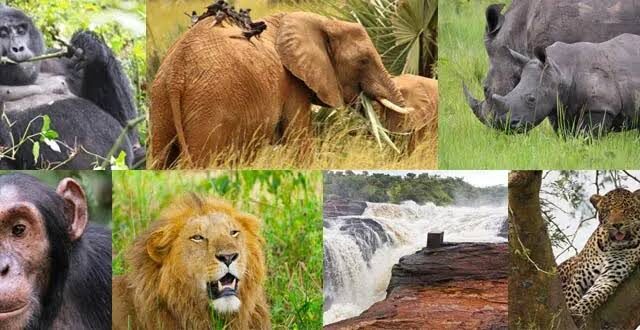
It combines rhinos, game drives, a Nile boat safari, chimpanzees, lions, elephants, hippos and mountain gorillas within one logical journey.
Why Ten Days Works So Well for Uganda
Uganda is not a destination where the highlights sit beside each other. Its famous wildlife areas are spread across a large geographic area. Murchison Falls lies in the northwestern part of the country. Kibale and Queen Elizabeth are farther south. Bwindi lies deep in southwestern Uganda.
Trying to combine them in five or six days would involve excessive driving. Ten days gives the route room to breathe. You still cover substantial distances, but the transfers form part of a natural progression through the country rather than constant backtracking. The reward is remarkable diversity.
Day 1: Arrival in Entebbe
Begin with a relaxed arrival day whenever your international flight schedule allows. Entebbe is the most convenient starting point because Uganda’s main international airport is located there. Rather than immediately beginning a long drive after an overnight flight, many travelers benefit from spending their first night near the airport. This provides time to recover from travel, exchange or withdraw money if necessary, reorganize luggage and meet your safari guide. Travelers arriving very early can potentially begin the safari immediately, but comfort should be considered. A safari is supposed to be enjoyable. Starting exhausted simply to save one hotel night rarely improves the experience. If arrival time permits, optional activities around Entebbe can be arranged, but keeping the day relatively light is usually sensible.
Day 2: Entebbe to Ziwa Rhino Sanctuary and Murchison Falls
After breakfast, begin travelling north. One of the advantages of this route is the opportunity to include rhinos before entering Murchison Falls National Park. A stop at Ziwa allows the safari to introduce another major African mammal before continuing toward Murchison. After the rhino experience and lunch, proceed toward the national park. Murchison immediately gives the safari a different scale. The landscapes feel larger. Savannah, woodland and the Nile create an ecosystem dramatically different from the forests you will encounter later. Depending on timing and lodge location, the afternoon may include sightseeing around the falls or a direct transfer to accommodation.
Why Murchison Falls Belongs in a Ten-Day Uganda Safari
Murchison adds experiences that the southwestern parks cannot completely replicate. The Nile is central to the park’s identity. Wildlife viewing is combined with enormous landscapes and one of Uganda’s most famous natural features. The park also gives travelers excellent opportunities for traditional game drives. Beginning here creates a classic safari atmosphere before the journey becomes increasingly focused on primates. This progression works extremely well for first-time visitors.
Day 3: Murchison Falls Game Drive and Nile Boat Safari
Wake early for a morning game drive. The cooler hours around sunrise are particularly rewarding for searching for wildlife. Depending on location and conditions, possible sightings include giraffes, elephants, buffalo, antelopes, warthogs and predators. No ethical safari should promise specific wild animals. That uncertainty is part of the experience. A skilled guide searches using knowledge of habitat, animal behavior and recent wildlife movements. Spend several hours exploring before returning for lunch or connecting with the day’s boat safari.
Nile Boat Safari
The Nile cruise is one of Murchison’s defining experiences. As the boat travels along the river, the wildlife perspective changes. Hippos occupy the water. Crocodiles may rest along banks. Elephants, buffalo and other wildlife can approach the river. Birdlife adds another dimension. Eventually the dramatic environment around Murchison Falls becomes the focus. For many travelers, combining a morning game drive with an afternoon Nile safari creates one of the strongest days of the entire itinerary.
Day 4: Murchison Falls to Kibale National Park
Day four is primarily a transfer. This is one of the longer driving sections of the safari, but it is necessary to connect Uganda’s northern wildlife circuit with the western primate region. Start early. The journey takes you through changing landscapes and communities before arriving in the Fort Portal and Kibale region. This is a day when vehicle comfort matters. A reliable safari vehicle, experienced driver-guide and well-planned meal stops make a significant difference. Avoid overloading the itinerary with extra activities simply because there appears to be space on paper. After a long drive, arriving at your lodge, eating dinner and resting before chimpanzee trekking is often the best plan.
Day 5: Chimpanzee Trekking in Kibale and Transfer to Queen Elizabeth
After breakfast, head to the chimpanzee trekking starting point. The experience begins with a briefing before entering the forest with guides. Chimpanzee trekking feels completely different from a savannah game drive. Instead of scanning large open spaces from a vehicle, you are walking beneath rainforest canopy while listening for clues. Calls may echo through the forest. Trackers and guides interpret signs. Then suddenly the chimpanzees appear. They may be high overhead. They may descend to the forest floor. They may sit grooming quietly or move rapidly through vegetation. Their energetic behavior provides a dramatic contrast to the previous days in Murchison. After trekking, leave Kibale and travel toward Queen Elizabeth National Park. The drive is relatively logical within the western circuit and brings you back into classic wildlife country. Depending on timing, you may enjoy an evening game drive before proceeding to your lodge.
Day 6: Queen Elizabeth National Park Game Drive and Kazinga Channel
Begin early with a game drive, commonly around the Kasenyi area. The objective is not simply to accumulate animal sightings. Spend time watching behavior. Observe Uganda kob herds. Watch buffalo. Look for elephants. Search for predators. Notice birds and smaller animals that are often ignored when travelers concentrate only on lions. A good safari becomes much richer when you begin understanding how species interact with the landscape. After the game drive, take a break before the Kazinga Channel boat safari.
Why the Kazinga Channel Is Worth Including
The boat cruise provides a different style of wildlife observation. Animals approaching water can often be watched for extended periods. Hippos are a major feature. Buffalo and elephants may appear along the shore. The channel is also renowned for bird activity. Photographers benefit from the low viewing perspective, while travelers who have spent several days driving appreciate the slower pace. Return to the lodge after the cruise, possibly adding an evening drive depending on timing and energy.
Day 7: Queen Elizabeth Through Ishasha to Bwindi
Travel south through the Ishasha sector. Rather than treating the day simply as transport, include a proper wildlife search. Ishasha is particularly associated with tree-climbing lions. When the cats choose to rest in trees, the sight can be extraordinary. However, wildlife should never be marketed as guaranteed. The lions may be on the ground. They may be hidden. They may be elsewhere entirely. Give yourself enough time to search without allowing the day to become stressful. Other wildlife and beautiful landscapes can make Ishasha worthwhile even without lions. Continue from the savannah toward Bwindi. The transition is dramatic. Open wildlife country gradually gives way to cultivated highlands and dense mountain forest. Arrive at your lodge and prepare for the next morning’s gorilla trek.
Day 8: Gorilla Trekking in Bwindi
This is the emotional centerpiece of the 10 days in Uganda itinerary. After breakfast, transfer to the appropriate trekking headquarters. Your specific starting point depends on the sector associated with your gorilla permit. After registration and briefing, trekkers are allocated to groups and enter the forest with ranger guides. Unlike a zoo or sanctuary visit, nobody knows exactly where the gorillas will be when the day begins. They move naturally through their habitat. The trek could be shorter or longer depending on their location. Terrain can include forest paths, steep slopes, roots and dense vegetation. Then trackers locate the family. The first clear view of a mountain gorilla can stop conversation immediately. A large silverback sitting quietly among vegetation has an extraordinary physical presence. Nearby, females may feed. Youngsters may play. Infants remain close to mothers. You are temporarily observing a functioning wild gorilla family rather than an isolated animal. Follow ranger instructions and enjoy the encounter. Afterward, hike back from the forest and return to the lodge.
Should You Add Activities After Gorilla Trekking?
It depends on how demanding your trek was. Some travelers return early and feel energetic. Others spend many hours hiking and want nothing more than food, a shower and rest. Avoid making the itinerary unnecessarily rigid. Optional community experiences can be arranged when appropriate, but they should enhance rather than overwhelm the gorilla day. One of the luxuries of a ten-day itinerary is not having to squeeze something into every available hour.
Day 9: Bwindi to Lake Bunyonyi or Lake Mburo
Day nine provides flexibility. You have already completed the safari’s major wildlife experiences. Now you can begin moving toward Entebbe while adding either relaxation or one more wildlife destination.
Option One: Lake Bunyonyi
Lake Bunyonyi is ideal for travelers who want scenery and a slower day. After the intensity of gorilla trekking, sitting above the lake or taking a boat trip can feel wonderfully peaceful. The terraced hills create one of southwestern Uganda’s most distinctive landscapes. This option works particularly well for honeymooners, couples and travelers who want more downtime.
Option Two: Lake Mburo National Park
Lake Mburo is better for travelers who want one more safari environment. Its location helps break the journey toward Entebbe while adding wildlife possibilities. Depending on the final itinerary, activities can be selected according to available time and current park regulations. Choosing Lake Mburo also makes the final day’s drive considerably easier than travelling directly from Bwindi.
Day 10: Lake Mburo or Southwestern Uganda to Entebbe
Begin the final drive toward Entebbe. If coming from Lake Mburo, the route gives you an opportunity to break the journey around the Equator area. Many travelers enjoy stopping for photographs, refreshments or souvenir shopping before continuing. As you approach Kampala and Entebbe, traffic becomes increasingly important. Your itinerary should therefore be planned around your international flight time with adequate buffer. For late-night departures, same-day transfer can work. For morning flights, an extra overnight in Entebbe should be considered. Flight schedules should always determine the final day’s structure rather than forcing an itinerary that looks neat on paper.
Why Not Add Every Uganda National Park?
Ten days is generous, but Uganda still has much more to offer. You could add Kidepo Valley. You could visit Mgahinga. You could hike in the Rwenzori Mountains. You could spend time around Jinja.
You could explore Lake Mburo in greater depth. But adding destinations means removing time from somewhere else. A first Uganda safari should create experiences rather than simply a checklist. Murchison, Kibale, Queen Elizabeth and Bwindi already represent four major ecosystems. That is enough diversity for an outstanding ten-day journey.
Why This Route Is Better Than Constant Backtracking
Geography matters enormously when designing safari itineraries. The recommended route moves broadly from north to southwest before returning toward central Uganda. This prevents unnecessary repetition. A badly designed itinerary might send guests from Entebbe to Bwindi, back north to Queen Elizabeth, farther north to Kibale and then all the way to Murchison. The attractions would be the same, but the journey would be less efficient.
Good safari planning is partly about arranging destinations in the right sequence.
Can You Do This Safari in Reverse?
Yes. A reverse itinerary can begin by travelling toward Bwindi before continuing through Queen Elizabeth, Kibale and Murchison. Whether this is better depends on permit availability, accommodation, flight schedules and other logistical considerations. Some travelers prefer having gorillas near the end because the trek becomes the climax of the safari. Others want gorillas early because they are the primary reason for visiting Uganda.
There is no universal rule.
Using Domestic Flights to Reduce Driving
Travelers with larger budgets can replace selected road sections with domestic flights. This can be particularly attractive when connecting Entebbe with southwestern Uganda or northern safari regions. Fly-in arrangements increase the cost but reduce long overland transfers. They are especially valuable for travelers who have limited time, prefer luxury itineraries or simply do not enjoy long driving days. However, road travel also has advantages.
You see more of Uganda. You pass through towns and rural communities. You watch landscapes change gradually rather than jumping between destinations. The best approach depends on travel style.
Budget Uganda Safari
A budget version of the route focuses on good-value accommodation and shared or economical transport arrangements. The core wildlife experiences remain the same. You still trek chimpanzees. You still take game drives. You still cruise the Nile and Kazinga Channel. You still trek mountain gorillas. Accommodation will generally be simpler, and some lodges may sit farther from premium locations. For travelers who prioritize wildlife over luxury facilities, this can provide excellent value.
Mid-Range Uganda Safari
Mid-range is often the sweet spot for a ten-day Uganda safari. Lodges tend to be comfortable and characterful without reaching premium luxury pricing. Rooms generally offer private facilities. Locations can be excellent. Meals and service are usually designed around international safari travelers. Because ten days involves several destinations, choosing consistently comfortable lodges can make the journey feel significantly easier.
Luxury Uganda Safari
A luxury itinerary may include high-end lodges overlooking forests, rivers or savannah landscapes. Domestic flights can reduce road travel. Private vehicles allow maximum flexibility. Premium lodges can become destinations in themselves. Still, remember that wildlife remains wild. Luxury buys comfort, privacy, service and convenience. It does not buy a guaranteed lion sighting or a gorilla sitting in perfect photography light.
Gorilla and Chimpanzee Permits
Primate experiences should be organized early in the planning process. Do not design an entire itinerary around specific dates and only afterward begin investigating permit availability. The permit date determines where you need to be. Accommodation and transport should then be coordinated around that confirmed arrangement.
This is particularly important for Bwindi because different trekking sectors can affect lodge selection and driving logistics.
Who Should Choose This 10-Day Route?
The itinerary is particularly strong for first-time visitors to Uganda. Wildlife lovers get a broad overview of the country’s ecosystems. Primate enthusiasts experience both chimpanzees and gorillas. Photographers receive rainforest, savannah, river and mountain environments. Couples gain variety without requiring a multi-week holiday.
Families with appropriately aged children can tailor the route around activity restrictions and comfort. Older travelers can also enjoy the safari when driving days and lodge choices are handled carefully.
Seven Days vs Ten Days in Uganda
If you are choosing between seven and ten days, the additional three days make a substantial difference. Seven days is excellent for Kibale, Queen Elizabeth and Bwindi. Ten days allows Murchison Falls and the northern route to become realistic. That adds rhino tracking possibilities, the Nile, giraffes and another major wildlife landscape.
For travelers flying long distances to reach East Africa, those extra days can significantly improve the value of the overall journey.
Could You Extend to 12 or 14 Days?
Absolutely. With twelve days, you could slow the itinerary down, spend additional nights in the strongest parks or include Lake Mburo more comfortably. With fourteen days, Uganda becomes much more flexible. You might add Mgahinga, Lake Bunyonyi, additional chimpanzee activities, birding, cultural experiences or more relaxed lodge time. Longer itineraries are particularly useful for photographers who dislike rushing between destinations.
What Makes Uganda Different From Other Safari Countries?
Uganda’s greatest strength is variety. Several African destinations offer spectacular game drives. Others offer excellent primate encounters. Uganda allows travelers to combine both. One morning you may be watching giraffes on an open savannah.
Several days later you are following chimpanzees through rainforest. Then you are hiking through mountain forest toward a gorilla family. The landscape changes continuously. So does the safari experience. That diversity is exactly what this ten-day route is designed to showcase.
Final Thoughts: Our Recommended 10 Days in Uganda Itinerary
For travelers visiting Uganda for the first time, this is one of the most satisfying ways to use ten days. Begin with northern Uganda’s rhinos, wildlife and Nile landscapes. Continue south toward Kibale’s chimpanzees. Move into Queen Elizabeth National Park for game drives and the Kazinga Channel. Travel through Ishasha toward Bwindi.
Finish the wildlife portion of the journey with mountain gorilla trekking before returning through southwestern Uganda. A carefully planned 10 days in Uganda itinerary gives you far more than a gorilla trek. It introduces you to the breadth of the country. Rhinos. Giraffes.
Elephants. Lions. Hippos. Chimpanzees. Mountain gorillas. The Nile. Rainforest. Savannah. Crater landscapes and southwestern highlands. Ten days is not enough to see every corner of Uganda.
But for a first visit, it is enough to understand why the country deserves much more than being treated simply as somewhere to see gorillas.
 Read
Read 
