


Yes—you absolutely can combine mountain gorilla trekking with the Great Migration in one East African safari. In fact, for travelers who have sufficient time and budget, it can create one of the most extraordinary wildlife journeys possible in Africa. One part of the trip takes you into dense mountain forest where you walk toward a family of wild mountain gorillas.
The other takes you onto enormous East African plains where hundreds of thousands of wildebeest and zebra move through the Serengeti-Mara ecosystem. The environments could hardly be more different. That contrast is exactly what makes a gorilla trekking and Great Migration safari so special. However, combining them properly requires understanding geography, seasonality and transport.
First Understand That the Migration Moves
The Great Migration is not an event that happens in one location on one fixed date. It is a continuous movement through the Serengeti-Mara ecosystem. Wildlife follows changing grazing and water conditions across Tanzania’s Serengeti and Kenya’s Maasai Mara ecosystem. The best destination therefore depends on your travel month. This is crucial when planning the gorilla section of the safari.
Mountain gorillas remain in their protected forest habitats throughout the year. The migration moves. So build the migration side around seasonal wildlife expectations and then connect the gorilla trek appropriately.
Where Can You Trek Mountain Gorillas?
Mountain gorilla trekking takes place in a limited part of Africa. Uganda offers trekking in Bwindi Impenetrable National Park and Mgahinga Gorilla National Park. Rwanda offers trekking in Volcanoes National Park. These destinations can be connected by regional flights and road transfers with the major safari gateways used for Kenya and Tanzania. This makes combining the experiences much easier than the map might initially suggest.
Where Should You See the Great Migration?
The two principal countries are Tanzania and Kenya. Tanzania’s Serengeti ecosystem hosts migrating herds for much of the annual cycle. Kenya’s Maasai Mara becomes particularly important during the period when large numbers of animals move into the northern ecosystem. Rather than choosing Kenya or Tanzania only because one name is more familiar, select the destination appropriate to your travel dates and desired experience.
How Many Days Do You Need?
We would consider around ten days the practical lower limit for a meaningful combined journey, although this depends on international flight schedules and how concentrated you make each component. Twelve to fourteen days is much better. With two weeks, you can enjoy several safari days rather than constantly moving between airports and lodges.
For travelers coming from North America, Europe, Australia or Asia, we generally prefer protecting enough time to justify the long international journey.
Option One: Uganda Gorillas + Kenya Migration Safari
This is one of the easiest combinations to understand. Begin in Uganda for gorilla trekking and perhaps another safari destination. Then fly onward to Kenya and continue into the Maasai Mara. A sample structure might include: This works especially well for travelers whose travel season matches strong migration activity in the Mara ecosystem.
Option Two: Kenya First, Uganda Second
There is no requirement to trek gorillas first. Some travelers prefer beginning with traditional safari and finishing with gorillas. This creates a dramatic climax. You might begin in Nairobi, fly or drive to the Maasai Mara, spend several days on game drives and then fly onward toward Uganda. After reaching Entebbe or the appropriate regional connection, continue to Bwindi. The final major wildlife experience becomes the gorilla trek. Neither order is universally better. Flight schedules often determine the most efficient arrangement.
Option Three: Uganda Gorillas + Tanzania Serengeti
This combination offers even more flexibility because migrating herds spend different parts of the year across the Serengeti ecosystem. A typical route may involve gorilla trekking in Uganda followed by a regional connection through Entebbe toward northern Tanzania. From there, travelers can continue toward the Serengeti region appropriate to their travel season. A Tanzania extension can also include Ngorongoro Crater. That produces extraordinary wildlife diversity:
Option Four: Rwanda Gorillas + Tanzania or Kenya
Rwanda can also be incorporated easily into a migration safari. Travelers may arrive in Kigali, trek gorillas in Volcanoes National Park and then use a regional flight connection toward Nairobi or Tanzania. This is particularly appealing to travelers building a more compact high-end itinerary. Uganda, however, offers the advantage of adding chimpanzees or other wildlife destinations before leaving for Kenya or Tanzania.
Gorilla Trekking + Maasai Mara
For many first-time travelers, the combination of Bwindi and Maasai Mara is exceptionally appealing. Bwindi provides intimacy. The Mara provides scale. In Bwindi, your attention may be focused on one gorilla family inside dense vegetation. In the Mara, the landscape can stretch toward distant horizons while large herds move across open plains. One experience is pedestrian and forest-based. The other is predominantly vehicle-based and open. Photographically and emotionally, they complement one another beautifully.
Gorilla Trekking + Serengeti
Bwindi and Serengeti produce an equally dramatic contrast. The Serengeti is synonymous with huge landscapes and mobile wildlife. Bwindi feels enclosed, green and intimate. A traveler may photograph lions, cheetahs, wildebeest and elephants during the Tanzania portion and then switch completely to forest photography in Uganda. For wildlife enthusiasts, few journeys provide such variety.
What About River Crossings?
River crossings are among the most famous images associated with the Great Migration. But they should not be treated as a scheduled performance. The animals are wild. Movement is influenced by environmental conditions. Even during seasons associated with crossings, nobody can ethically guarantee that you will watch thousands of wildebeest plunge into a river on a specific day.
Give yourself multiple safari days in the relevant region. This increases your opportunities while also allowing you to appreciate the migration beyond one dramatic event.
The Migration Is More Than River Crossings
Travelers sometimes become so focused on crossings that they overlook everything else. The migration is an ecological phenomenon. Large concentrations of grazing animals influence predator activity, scavengers and the wider ecosystem. Even without a dramatic river crossing, watching huge herds across open plains can be extraordinary.
Your safari can include lions, cheetahs, leopards, hyenas, elephants, giraffes and countless birds alongside the migrating animals.
Gorilla Trekking Works Year-Round
One advantage of combining gorillas with the migration is that gorilla trekking is available throughout the year subject to permit availability and park conditions. That gives itinerary planners flexibility. Instead of asking, “When is gorilla season?” begin with the migration experience you want. Then arrange your gorilla trek around the same travel period.
Seasonal rainfall can influence trekking conditions, but mountain gorillas do not migrate away from Uganda or Rwanda during a particular month.
The Best Trip Length
A twelve-day itinerary could work roughly like this: Day 1: Arrive Entebbe. Day 2: Travel or fly toward Bwindi. Day 3: Gorilla trekking. Day 4: Return toward Entebbe. Day 5: Regional flight toward Kenya or Tanzania. Days 6–10: Migration-focused safari. Day 11: Additional safari or return toward international gateway. Day 12: Departure. This is only a broad example.
A more enjoyable fourteen-day journey can include chimpanzees, Queen Elizabeth, Ngorongoro or additional Mara/Serengeti nights.
A 14-Day Uganda and Kenya Combination
With two weeks, a route might include: This combines three styles of wildlife viewing before you even finish the trip. Forest chimpanzees. Mountain gorillas. Savannah migration. It is an outstanding first East African wildlife itinerary.
A 14-Day Uganda and Tanzania Combination
Another option is: The Tanzania portion should be tailored to the seasonal location of migrating herds. This route can require more logistical coordination, but it is exceptionally rewarding.
Fly Rather Than Drive Between Countries
Uganda and Kenya share a border, and Kenya and Tanzania are connected overland, but that does not mean every combined safari should use road transport for the entire journey. Time is valuable. Long international road transfers can consume days that could otherwise be spent viewing wildlife. Regional flights generally make the gorilla-plus-migration combination much more practical.
Within individual safari regions, road transfers may still be worthwhile. The goal is to use each transport method where it makes sense.
Pack for Two Different Environments
A combined safari requires versatile packing. Great Migration safari days can involve dust, sun and long periods inside safari vehicles. Gorilla trekking involves walking through humid forest, potentially on muddy or slippery ground. For gorillas, useful equipment generally includes sturdy walking footwear, long trousers, suitable socks, gardening-style gloves if desired, rain protection and a small daypack.
For the savannah, lightweight neutral clothing, sun protection and binoculars become particularly valuable.
Photography Equipment
Photographers should also think about the contrast. The Mara and Serengeti often provide open viewing conditions where longer telephoto lenses are extremely useful. Bwindi creates different challenges. Vegetation is dense. Light may be limited.
Gorillas can sometimes be relatively close. A huge fixed telephoto lens that works beautifully on open plains may become cumbersome inside rainforest. A versatile zoom can therefore be extremely useful for the gorilla portion.
Budget Considerations
This is not usually a low-cost safari. You are combining premium wildlife experiences across multiple countries. Major costs can include: High-demand migration periods can also affect accommodation pricing and availability. Planning early is especially useful if you want specific camps or travel dates.
Book Gorilla Permits Early
Gorilla permits are limited. Your trekking date therefore needs to be confirmed before the rest of the route is finalized. This becomes even more important on a multi-country itinerary because one unavailable permit date can affect regional flights and safari lodge reservations elsewhere. Coordinate the entire journey rather than booking each country independently without considering the connections.
Should You Add Chimpanzees?
If you have at least thirteen or fourteen days, chimpanzee trekking can make the Uganda portion even more interesting. Kibale pairs naturally with Queen Elizabeth and Bwindi. You could experience chimpanzees first, then savannah wildlife, then gorillas before flying onward toward the Great Migration. For primate enthusiasts, this is difficult to beat.
Uganda or Rwanda for the Gorilla Section?
Both can work. Uganda becomes particularly attractive if you want the gorilla experience to form part of a larger safari including chimpanzees or Queen Elizabeth. Rwanda can be attractive for travelers wanting a more compact gorilla-focused extension centered around Kigali and Volcanoes National Park. The correct option depends on time, budget and routing rather than a universal ranking.
Should Gorillas Come First or Last?
This is mostly personal preference. Gorillas first can provide an immediate highlight. Afterward, the trip expands into enormous savannah landscapes. Migration first creates the reverse narrative. You begin with scale and spectacle and finish with one of Africa’s most intimate wildlife encounters.
For many travelers, finishing with gorillas feels particularly powerful. But practical flight connections should take priority over forcing a particular emotional sequence.
Who Is This Safari Best For?
The combination suits travelers who want maximum wildlife diversity from one East African journey. It is especially good for: and experienced safari travelers who want to combine great apes with classic plains wildlife.
Final Thoughts
A gorilla trekking and Great Migration safari combines two completely different expressions of wild Africa. The Great Migration is about movement, scale and open landscapes. Gorilla trekking is about intimacy, forest and one extraordinary primate family. One may involve thousands of animals scattered across a horizon. The other may involve sitting quietly only meters from a silverback.
You do not need to choose between them. With sensible routing, enough days and correctly timed travel, Uganda or Rwanda can be combined with Kenya or Tanzania in a single journey. If this is intended as a major once-in-a-lifetime East African safari, give it enough time. Do not rush through gorillas simply to reach the migration. Do not spend only one night in migration country simply to say you visited.
Allow each ecosystem to reveal itself. The result can be one of the most diverse wildlife journeys Africa has to offer.
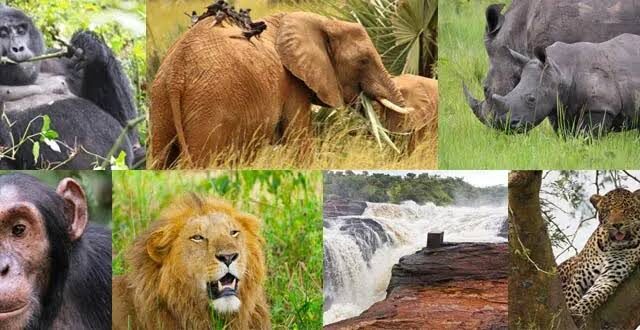
#50: The Ultimate First-Timer’s Guide to Uganda: Gorillas, Chimps, Lions, Rhinos & the Nile
SEO Title: First-Time Uganda Safari Guide: Gorillas, Chimps & Wildlife Meta Description: Plan your first Uganda safari with a practical guide to gorillas, chimpanzees, lions, rhinos, the Nile, national parks, routes, and trip planning. Focus Keyphrase: first time Uganda safari guide Uganda is difficult to summarize in one wildlife experience. Most travelers initially discover the country because of mountain gorillas.
Then they realize Uganda also has chimpanzees. Then lions. Elephants. Rhinos. Giraffes. Hippos. The Nile. Savannahs. Rainforests. Volcanoes.
Lakes. And some of the richest birdlife in Africa. That diversity is exactly what makes planning your first safari slightly complicated. Where should you go? How many days do you need?
Should you arrive through Entebbe or Kigali? Which parks combine naturally? And how do you avoid spending your entire holiday driving between destinations? This first time Uganda safari guide is designed to answer those questions and help you build a journey around experiences rather than simply a long list of park names.
Start With the Mountain Gorillas
For most international visitors, mountain gorillas are Uganda’s defining wildlife experience. Gorilla trekking takes place in southwestern Uganda, principally in Bwindi Impenetrable National Park and Mgahinga Gorilla National Park. The experience is very different from a traditional safari. You do not sit inside a vehicle waiting for wildlife to appear. You walk.
Ranger guides lead you through forest terrain toward a habituated gorilla family. The distance changes from day to day because gorillas are wild and constantly moving. Some treks may be relatively short. Others can involve several hours in demanding terrain. That unpredictability is part of the experience.
What Gorilla Trekking Actually Feels Like
The forest can be quiet when you begin. You concentrate on your footing, vegetation and your guide’s instructions. Then trackers locate the gorillas. Suddenly the entire reason for your journey becomes real. A silverback may appear through vegetation.
A female may feed nearby. A youngster might climb a branch. An infant can remain almost hidden against its mother. Many visitors are surprised by how calm the encounter can feel. The gorillas are enormously powerful animals, yet much of their daily life involves feeding, resting and social interaction.
Add Chimpanzees in Kibale
If you have enough time, do not stop with gorillas. Chimpanzee trekking provides a completely different primate experience. Kibale National Park is Uganda’s best-known chimpanzee destination. Chimpanzees are frequently faster, louder and more mobile than gorillas. You may hear them before seeing them.
Pant-hoots travel through the forest. Individuals may drum against trees. Some feed high in the canopy. Others descend to the ground and move rapidly through vegetation. Experiencing chimpanzees and gorillas within the same journey reveals just how different two closely related great apes can be.
Queen Elizabeth National Park: Your Classic Safari Stop
After rainforest, Queen Elizabeth National Park introduces open wildlife country. This makes it one of the most useful destinations in a first Uganda itinerary. A morning game drive may reveal Uganda kob, buffalo, elephants, warthogs and other animals. Lions are among the most sought-after sightings, although no wild predator should ever be promised. The park also gives travelers one of Uganda’s signature boat experiences.
The Kazinga Channel
The Kazinga Channel connects lakes within the Queen Elizabeth ecosystem and provides excellent wildlife viewing from the water. Hippos are a major attraction. Buffalo may gather along shorelines. Elephants can sometimes approach the water. Bird activity can be exceptional. After spending hours searching for wildlife from a safari vehicle, the boat provides a welcome change of pace. It is also excellent for photography because animals near the shoreline may be observed from relatively open angles.
Ishasha and the Tree-Climbing Lions
As you travel south from the main Queen Elizabeth areas toward Bwindi, the Ishasha sector can be incorporated naturally. Ishasha is famous for lions that are sometimes observed resting in trees. Why they climb has generated considerable discussion, but for visitors the important point is simpler: It is an unusual and memorable sight. However, never build the entire safari around a guaranteed tree-climbing lion. Wild lions choose where they want to be. Even when they are not in trees, Ishasha can provide excellent landscapes and wildlife viewing.
Murchison Falls National Park
If your trip extends to approximately ten days or more, Murchison Falls should strongly enter the conversation. Murchison lies in northwestern Uganda and adds another completely different landscape. The Nile passes through the park. Savannah wildlife includes giraffes, elephants, buffalo, antelopes and numerous other species. Game drives can be combined with a Nile boat safari.
The falls themselves create one of Uganda’s most dramatic natural spectacles.
Why the Nile Matters
The Nile is not simply scenery. It shapes the entire Murchison experience. Wildlife uses the river. Birds gather around it. Hippos and crocodiles occupy its waters. Boat trips allow travelers to observe animals from a completely different perspective. For first-time safari visitors, Murchison provides many of the experiences traditionally associated with East Africa while still feeling distinctly Ugandan.
Where Do Rhinos Fit?
Rhinos add another dimension to the northern route. Ziwa Rhino Sanctuary is commonly incorporated into journeys between central Uganda and Murchison Falls. That means travelers following a broader Uganda circuit can potentially experience rhinos, Murchison wildlife, chimpanzees, Queen Elizabeth wildlife and mountain gorillas within one journey. This creates an unusually diverse safari.
Lake Mburo National Park
Lake Mburo is smaller than Murchison or Queen Elizabeth but has an extremely useful location. It sits along the southwestern travel corridor between Kampala/Entebbe and Uganda’s gorilla regions. For this reason, it can work beautifully as the first or last safari destination. Instead of driving all the way from Bwindi to Entebbe in one exhausting day, travelers can stop around Lake Mburo and continue the following morning.
That improves the itinerary while adding another wildlife environment.
Lake Bunyonyi
Lake Bunyonyi is not primarily about game drives. Its strength is scenery and relaxation. The lake is surrounded by steep, cultivated hills and scattered islands. It fits particularly well after gorilla trekking. After several active safari days, slowing down beside the lake can be extremely welcome.
Travelers can enjoy boat excursions, landscapes or simply lodge time before continuing.
Mgahinga Gorilla National Park
Bwindi receives most of the attention, but Mgahinga deserves consideration. Located in far southwestern Uganda, the park forms part of the wider Virunga landscape. It offers mountain gorilla trekking when permits and habituated group arrangements allow, as well as golden monkey tracking. Travelers interested heavily in primates may combine Mgahinga with Bwindi or build a southwestern itinerary around gorillas, golden monkeys and Lake Bunyonyi.
How Many Days Do You Need?
The ideal answer for most first-time visitors is between seven and fourteen days. Three days is enough for a short gorilla trek. Five days allows gorillas plus Queen Elizabeth. Six or seven days can combine Kibale, Queen Elizabeth and Bwindi. Ten days allows Murchison to join the route naturally.
Twelve to fourteen days gives you a much more relaxed complete safari.
Our Favorite Seven-Day Route
For one week, focus on southwestern and western Uganda. Day 1: Entebbe to Kibale. Day 2: Chimpanzee trekking and Queen Elizabeth transfer. Day 3: Game drive and Kazinga Channel. Day 4: Ishasha and transfer to Bwindi. Day 5: Gorilla trekking. Day 6: Lake Bunyonyi or Lake Mburo. Day 7: Entebbe. This is compact but extremely diverse.
Our Favorite Ten-Day Route
With ten days, add northern Uganda. Begin with Ziwa and Murchison Falls. Spend time game driving and cruising the Nile. Continue toward Kibale for chimpanzees. Move south to Queen Elizabeth. Travel through Ishasha. Finish with gorilla trekking in Bwindi. Then return toward Entebbe through Lake Mburo or another southwestern stop. For many first-time visitors, this is the classic Uganda wildlife journey.
Entebbe or Kigali?
If your safari includes most of Uganda, Entebbe is generally the natural gateway. If your trip concentrates only on Bwindi, Mgahinga and southwestern Uganda, Kigali can sometimes offer a geographically useful alternative. Some travelers also create one-way itineraries.
For example: Kigali → Bwindi → Queen Elizabeth → Kibale → Entebbe. This can reduce backtracking. The best airport depends on the complete route rather than the gorilla trek alone.
What Kind of Safari Vehicle?
Road safaris normally use purpose-adapted vehicles suitable for wildlife viewing and long-distance travel. Vehicle type can vary by budget and operator. For a private safari, you have greater control over stops and seating. Group tours share vehicle space and costs. Before booking, understand what vehicle category is included and how many passengers will travel in it.
Comfort matters on longer road journeys.
Private vs Group Safari
Private safaris are ideal for travelers who value flexibility. You decide when to stop. Photographers can wait longer. Families can adjust the pace. Couples gain greater privacy.
Group safaris are particularly useful for solo travelers and budget-conscious visitors. Transport is one of the major costs of a Uganda safari, so sharing a vehicle can reduce the per-person price significantly.
Budget Safaris
A budget safari does not mean skipping the major wildlife experiences. You can still trek gorillas and chimpanzees and enjoy national park activities. The savings generally come through simpler accommodation and vehicle-sharing arrangements. Budget travelers should compare inclusions carefully. A cheap package that excludes an expensive permit or key activity may not actually be cheaper.
Mid-Range Safaris
Mid-range is the category many Uganda travelers choose. Lodges typically provide comfortable private rooms, good meals and attractive locations without the cost of premium luxury properties. For a seven- to twelve-day road safari, good mid-range accommodation can provide an excellent balance between comfort and price.
Luxury Safaris
Luxury Uganda safaris can include premium lodges, private vehicles and domestic flights. Flying selected routes can significantly reduce long driving days. High-end forest lodges around Bwindi can also transform the time before and after gorilla trekking into an important part of the overall experience. Luxury should primarily be understood as comfort, location, service and convenience. Wildlife itself cannot be upgraded.
When Should You Visit Uganda?
Uganda is a year-round destination, but weather influences road and trekking conditions. Rain can occur at any time in tropical and mountain environments. Traditionally drier periods are popular for gorilla trekking and wildlife safaris because forest trails and roads may be easier to navigate. Wetter periods can provide lush scenery and sometimes different travel patterns.
Instead of looking for a supposedly perfect month, consider permit availability, personal travel dates, wildlife interests and tolerance for rain.
What Should You Pack for Gorilla Trekking?
Gorilla trekking requires more practical clothing than a normal game drive. Wear sturdy walking footwear. Long trousers help protect your legs. Long sleeves can be useful around vegetation. Carry rain protection.
Bring water. A small daypack is sufficient for the trek. Gloves can be useful when holding vegetation on steep sections. Avoid carrying excessive equipment. Every unnecessary kilogram feels heavier after several hours of hiking.
Hire a Porter
A porter is one of the simplest ways to improve a gorilla trek. Even if you are reasonably fit, forest terrain can be steep and slippery. A porter can carry your daypack and provide assistance on difficult sections. The arrangement also supports local livelihoods. Many experienced travelers who initially insist they do not need assistance finish the trek extremely grateful that they hired a porter.
Photography
Uganda is an outstanding photography destination, but different environments require different approaches. Gorilla and chimpanzee forests may be dark. Savannah game drives provide more light and longer viewing distances. Boat safaris create opportunities for birds, hippos and shoreline mammals. If travelling with interchangeable-lens equipment, a versatile setup is usually more practical than carrying your entire collection.
Protect equipment against dust and rain. And remember to occasionally put the camera down.
Health and Travel Preparation
International travelers should obtain appropriate professional travel-health advice well before departure. Requirements and recommendations can depend on nationality, route, medical history and countries visited before or after Uganda. Likewise, immigration rules and visa arrangements should be verified from current official sources. Do not base health or entry decisions solely on an old travel blog.
Money and Payments
Bring access to more than one payment method. Safari operators may accept bank transfers, cards or other payment systems depending on their policies. On the ground, cash remains useful for tips, small purchases and certain local expenses. Ask your operator in advance what is already included. This prevents carrying unnecessary cash.
Tipping
Tipping is common within the safari industry but should remain a personal decision based on service. Travelers may choose to tip driver-guides, lodge staff, trackers, rangers and porters. Your tour operator can provide current guidance appropriate to the itinerary and group size. Carrying smaller denominations can make tipping easier.
Do Not Over-Pack the Itinerary
One of the most important lessons in this first time Uganda safari guide is simple: More parks do not necessarily mean a better safari. A ten-day itinerary with eight destinations can become exhausting. Wildlife observation requires time. You need opportunities to stop. You need occasional afternoons to relax. You need flexibility when a lion appears beside the road or elephants gather somewhere unexpected. Allow the safari to breathe.
Book Gorilla Permits Early
Gorilla permits are limited and tied to specific trekking dates and arrangements. For high-demand periods, planning ahead gives you more choice. Once the permit date is confirmed, the rest of the itinerary can be structured around it. Accommodation should also match your trekking location. This is especially important in Bwindi, where different sectors are separated by mountainous terrain.
Why Uganda Works So Well for First-Time Africa Visitors
Uganda combines several wildlife styles within one country. You can have a traditional savannah safari. You can trek chimpanzees. You can trek mountain gorillas. You can cruise the Nile.
You can search for rhinos. You can photograph hippos from a boat. You can visit highland lakes and tropical forests. The variety means travelers do not need to choose between a primate holiday and a conventional safari. Uganda can provide both.
The First-Time Route We Would Recommend
If time allows, give Uganda around ten days. Start from Entebbe. Travel north to Ziwa and Murchison Falls. Continue west toward Kibale. Trek chimpanzees. Move south into Queen Elizabeth. Enjoy game drives and the Kazinga Channel. Travel through Ishasha. Enter Bwindi. Trek mountain gorillas.
Then begin the journey back through southwestern Uganda. That route tells a story. Each destination feels different from the one before it.
Final Thoughts
Your first Uganda safari will probably begin with expectations about mountain gorillas. It may end with memories you never anticipated. Perhaps it will be the sound of chimpanzees calling through Kibale Forest. A lion appearing after hours of searching. An elephant approaching the Kazinga Channel.
Giraffes crossing the horizon in Murchison. Rhinos feeding quietly at Ziwa. The Nile. The mountains. The enormous green landscape of Bwindi.
And finally, a silverback sitting only a short distance away. That is why Uganda deserves more than a rushed gorilla extension. Use this first time Uganda safari guide as a starting framework, but build the itinerary around the experiences that matter most to you. If you have three days, see the gorillas. If you have seven, add chimpanzees and Queen Elizabeth.
If you have ten, add Murchison and rhinos. If you have two weeks, slow down and experience Uganda properly. The gorillas may be what bring you to Uganda. They probably will not be the only reason you remember it.
 Read
Read 

