
Introduction
Standard gorilla trekking is the experience chosen by most visitors. It is widely available across Uganda's established gorilla trekking sectors and generally provides a structured encounter with a fully habituated gorilla family.
Gorilla habituation, where available, is a more specialised experience connected with gorilla groups undergoing the process of becoming accustomed to controlled human presence.
Neither option is automatically "better." The right choice depends on your budget, available time, fitness, photographic interests and the kind of wildlife experience you want.
What Is Standard Gorilla Trekking?
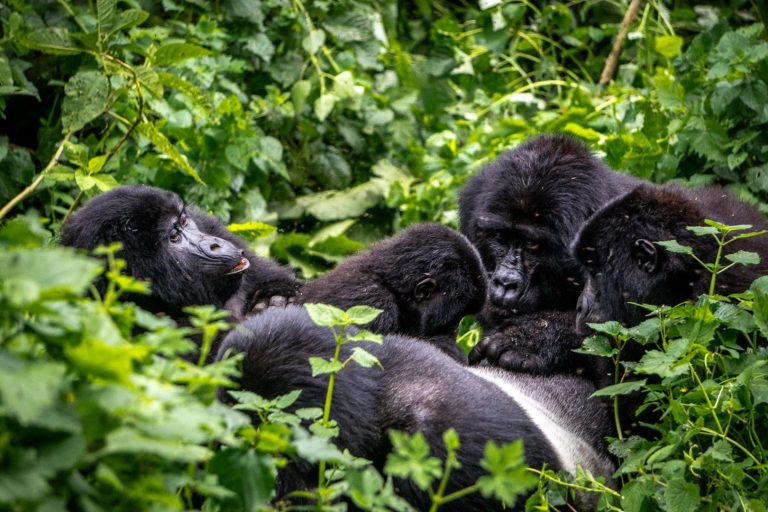
Standard gorilla trekking involves hiking into the forest to locate a habituated mountain gorilla family. These gorillas have undergone a long process that makes them accustomed to carefully managed human visits.
Visitors join guides and rangers in the morning, trek through the forest and then spend the regulated observation period with the gorillas once they are located. The experience is highly controlled to limit disturbance and protect the animals.
Standard trekking is ideal for travelers who want the classic mountain gorilla experience while leaving enough time and budget to include other Uganda safari destinations.What Is Gorilla Habituation?
Gorilla habituation is associated with the gradual process of familiarising a wild gorilla group with carefully controlled human presence.
Researchers, trackers and conservation staff spend extended periods monitoring and working around the gorillas as the group becomes more comfortable with predictable human observation. Special visitor experiences may allow a limited number of tourists to accompany this process under controlled conditions.
Because habituation involves gorillas that may not behave exactly like fully habituated tourism groups, the experience can feel different from standard trekking. It may involve longer periods in the forest and a greater emphasis on observation, tracking and understanding gorilla behavior.
Main Difference: Time With Gorillas
The most widely recognised difference is the length and nature of the encounter. Standard gorilla trekking provides a defined observation period once the assigned gorilla family is found.
The habituation experience is typically designed to provide a more extended and immersive period associated with the habituation process. For serious wildlife enthusiasts and photographers, additional observation time can be extremely valuable. However, longer does not automatically mean easier.
Spending more time in a humid mountain forest can be physically demanding.
Gorilla Trekking vs Gorilla Habituation for First-Time Visitors
For most first-time visitors, standard gorilla trekking is an excellent choice.
- the classic gorilla encounter
- broader availability
- more itinerary flexibility
- easier integration with other parks; and - lower overall time commitment
Which Is Better for Photographers?
Gorilla habituation can be especially attractive to serious photographers because more observation time creates additional opportunities. During a standard encounter, photographers need to work efficiently. Forest conditions can be difficult:
- light is low
- vegetation blocks views
- gorillas move
- weather changes; and - other visitors also need space
An extended habituation experience potentially allows greater patience. You may have more time to observe behavior and wait for better positioning or light. However, photographic conditions remain completely natural.
More time does not guarantee clear views. The gorillas may stay in dense vegetation, rest in difficult positions or move repeatedly.
Which Is More Physically Demanding?
Gorilla habituation can require greater stamina because the overall forest experience may be longer. Standard trekking can also be physically demanding, depending on where the gorillas are located. In both cases, visitors should prepare for:
- steep terrain
- mud
- vegetation
- streams
- rainfall
- high humidity; and - several hours on foot
Hiring a porter is recommended for either activity. Travelers with significant mobility or health concerns should discuss suitability before booking.
Permit Availability
Standard gorilla trekking offers considerably broader permit options because multiple fully habituated families are available for tourism across established trekking sectors. Gorilla habituation experiences are more limited. That makes advance planning particularly important.
Do not build an entire itinerary around habituation without first establishing that the appropriate permit is available. Availability, operating arrangements and locations can change, so the experience should always be confirmed for the intended travel period.
Cost Difference
Gorilla habituation permits are generally more expensive than standard gorilla trekking permits because the experience is more specialised and allows more intensive participation. The total safari cost also depends on:
- accommodation
- transport
- number of nights
- additional activities
- domestic flights; and - overall safari style
Where Does Gorilla Habituation Take Place?
Standard gorilla trekking is available in several established locations within Uganda's mountain gorilla parks. Gorilla habituation visitor experiences have historically been associated with selected areas of Bwindi, particularly where specific gorilla groups are undergoing the habituation process.
Because habituation is an active conservation process rather than a permanent tourist product attached to one fixed gorilla family forever, current availability should always be checked before planning.
Is Habituation the Same as Trekking for Four Hours?
This comparison is sometimes oversimplified. The experience is not simply standard gorilla trekking with a longer clock. Habituation involves a different conservation context.
Visitors may be accompanying people involved in monitoring gorillas that are at a different stage of familiarity with humans. This means gorilla behavior, movement and the structure of the day may differ.
Travelers should choose it because they are interested in a deeper forest and conservation experience, not merely because they want more photographs.
Which Experience Offers Better Gorilla Behavior?
Neither can guarantee particular behavior. Mountain gorillas are wild animals. During either experience, you might see:
- feeding
- resting
- grooming
- play
- movement
- interaction between adults and juveniles; or - mothers caring for infants
A habituating group may behave differently around people than a fully habituated group. That is part of the scientific interest of the process. Standard trekking, meanwhile, provides a highly established tourism encounter with gorillas already accustomed to controlled visitation.
Which Is Better for Families?
Standard gorilla trekking is generally more practical for eligible family members. It has broader availability and involves a more predictable visitor structure.
Families also often want to combine gorillas with game drives, boat trips and other activities rather than dedicating a particularly long day to one forest experience. Age rules and physical requirements must still be respected.
Families with younger children need alternative arrangements for those who cannot participate.
Which Is Better for Honeymooners?
Most honeymooners will find standard gorilla trekking ideal. It leaves more time for:
- comfortable lodge stays
- game drives
- scenic transfers
- spa treatments where available
- private meals; and - relaxation
However, honeymooners who are both passionate wildlife photographers or primate enthusiasts may prefer the more specialised habituation option.
Which Is Better for Repeat Visitors?
Accommodation Considerations
Accommodation should always be selected according to the actual activity location. Do not assume that any Bwindi lodge is equally practical. The park covers mountainous terrain, and driving between sectors can take considerable time.
Once the appropriate permit and starting area are confirmed, select lodging that provides sensible access. This applies equally to standard trekking and habituation experiences.
What to Pack for Both Experiences
The packing requirements are broadly similar:
- - strong hiking boots; - long trousers; - long-sleeved shirt; - waterproof jacket; - gloves; - comfortable socks; - insect repellent; - hat; - water; - packed food where required; - camera; - spare battery; and - waterproof protection for electronics.
- For habituation, keeping backpack weight low becomes even more important because you may spend longer in the forest.
Gorilla Trekking vs Habituation: Pros of Standard Trekking
Standard trekking is generally better for travelers who want:
- greater permit availability
- a classic gorilla encounter
- easier itinerary planning
- broader sector choices
- lower permit cost
- less time commitment; and - convenient combinations with other safari activities
Gorilla Trekking vs Habituation: Pros of Habituation
Habituation may be preferable for travelers who want:
- a deeper gorilla-focused experience
- longer observation opportunities
- insight into habituation and conservation
- more time for photography
- a specialised primate safari; and - a less conventional repeat-visitor experience
Can You Do Both on the Same Safari?
Where permits and current operations allow, a traveler could potentially include both experiences on a longer Uganda itinerary. This can be particularly rewarding for serious gorilla enthusiasts.
One day can provide the structure of a standard encounter, while another offers a more specialised conservation-oriented experience. However, two demanding forest days should be scheduled thoughtfully. A rest day between them may improve comfort.
Suggested Safari Combinations
Standard Trekking Safari
Entebbe → Queen Elizabeth National Park → Bwindi → Lake Mburo → Entebbe This works well for travelers wanting a balanced wildlife and primate journey.
Habituation-Focused Safari
Entebbe → Bwindi → Gorilla Habituation → Rest Day → Additional Forest Experience → Entebbe This works better for travelers whose main objective is gorillas.
Complete Primate Safari
Entebbe → Kibale → Queen Elizabeth → Bwindi → Gorilla Experience → Entebbe This creates a broader primate and wildlife circuit.
Frequently Asked Questions
Is gorilla habituation better than trekking?
Not necessarily. It is different. Standard trekking suits most visitors, while habituation is particularly appealing to serious gorilla enthusiasts and photographers.
Do you spend longer with gorillas during habituation?
The habituation experience is designed to be more extended and immersive than standard trekking, subject to current operational arrangements.
Is habituation harder?
It can be more physically demanding because of the longer forest experience.
Is standard trekking cheaper?
Generally, yes. The habituation permit is typically the more expensive option.
Can first-time visitors choose habituation?
Yes, where available, although many first-time visitors find standard trekking provides an excellent introduction.
Can I book both?
Potentially, subject to current permit availability and operating arrangements.
Gorilla Trekking vs Gorilla Habituation: Which Should You Choose?
Choose standard gorilla trekking if you want the classic mountain gorilla experience, broader permit availability and enough time to combine Bwindi with other Uganda safari destinations.
Choose gorilla habituation if your primary interest is gorillas, you are comfortable spending longer in the forest and you value deeper observation, photography or conservation insight. For many first-time Uganda visitors, standard trekking provides the best overall balance.
For photographers, primate specialists and repeat visitors, habituation may justify the additional cost and time. Ultimately, the decision between gorilla trekking vs gorilla habituation is not about identifying one universally superior activity. It is about matching the experience to your interests. Both take you into one of Africa's most remarkable forests. Both require patience, fitness and respect for wildlife. And both can culminate in the extraordinary experience of watching mountain gorillas at close range in the environment where they have lived for generations.