
National Park
Akagera National Park
Rwanda’s premier savannah safari park — game drives, boat safaris and classic East African wildlife near the Tanzania border, the perfect complement to gorilla trekking.
- Country Rwanda
- Region Eastern Rwanda
- From Kigali By road
- Best stay 2 nights
- Famous for Savannah safari
Overview
Rwanda’s Premier Savannah Safari
Akagera National Park is Rwanda’s premier destination for a traditional African wildlife safari. Situated in the eastern part of the country near the border with Tanzania, the park protects an extensive landscape of rolling savannah, woodland, lakes, wetlands and open plains.
- Game Drives
- Boat Safaris
- Big Mammals
- Birdwatching
- Easy from Kigali
- Family Friendly
Why Akagera
Why Visit Akagera National Park?
It provides a completely different experience from Rwanda’s famous mountain forests. While Volcanoes National Park is best known for mountain gorillas and Nyungwe for chimpanzees, Akagera offers game drives, boat safaris and opportunities to search for large mammals across classic East African landscapes.
For travelers visiting Rwanda for gorilla trekking, adding Akagera creates a much more complete safari by combining primates with conventional wildlife viewing.
Akagera demonstrates that Rwanda is much more than a gorilla trekking destination. The park adds savannah, wetlands and classic African wildlife to an itinerary otherwise dominated by forest environments.
Travelers can watch giraffes crossing open plains, photograph elephants, search for predators and then take a boat safari among hippos and waterbirds. When followed by chimpanzee trekking or mountain gorilla trekking, Akagera becomes an essential part of a complete Rwanda safari.
Location
Where Is Akagera National Park?
Akagera lies in eastern Rwanda. The park is accessible from Kigali by road, making it relatively straightforward to incorporate into an itinerary at the beginning or end of a Rwanda safari.
The journey takes visitors away from the capital and into increasingly rural landscapes before reaching the protected area. Because road and entry conditions can change, exact transfer times should be confirmed when the safari is planned.
Scenery
Landscapes of Akagera
Akagera is exceptionally scenic. The park contains open grasslands, wooded areas, rolling hills, marshes and large lakes. This diversity creates habitats for a wide variety of wildlife and birds.
The eastern wetlands form an important ecological component of the park and create excellent opportunities for water-based wildlife viewing. Driving through Akagera can feel like several different safari destinations combined into one.
A morning may begin on open savannah before the route continues toward woodland and eventually a lakeshore environment.
- Open grasslands
- Woodland
- Rolling hills
- Marshes & lakes
- Wetlands
Wildlife
Wildlife in Akagera National Park
Akagera supports many of the animals travelers associate with an East African safari. Visitors may encounter elephants, buffaloes, giraffes, zebras, antelopes and numerous smaller mammals. Predators also form part of the park ecosystem. Wildlife is free-ranging, so exact sightings vary by season, location and animal movements — allow enough time to explore different areas, and rely on an experienced guide.
Elephants
Among Akagera’s most impressive mammals — often seen moving through woodland, feeding, or traveling near water. Maintain appropriate distances and avoid pressuring animals with vehicles; responsible viewing reveals more natural behavior.
Giraffes & zebras
Giraffes are highly visible across suitable habitats, browsing vegetation other herbivores cannot reach. Zebras graze in open areas. Photographers often capture scenes of giraffes, zebras and antelopes against rolling landscapes — early morning and late afternoon light is best.
Buffaloes & antelopes
Buffaloes occur throughout appropriate habitats, alone or in groups. Several antelope species inhabit the park and form an essential part of the ecosystem. Guides help distinguish similar species; herd behavior can be as rewarding as predator sightings.
Predators
Large predators are important to Akagera’s wildlife community, but finding them takes patience. Temperature, prey movement and habitat influence where they spend the day. Morning drives are often useful. Judge a safari by the full ecosystem — not only by one predator sighting.
Experiences
Things to Do in Akagera
Game drives are the main way to explore the park; a boat safari is one of the best complements.
Game drives
Morning departures offer cooler temperatures and often more active wildlife. Afternoon drives continue into late-day hours when animals become active again. A full-day drive can cover a larger portion of the park. Carry binoculars; photography enthusiasts should stay ready while also simply watching behavior.
Boat safari
Akagera’s lakes support hippos, crocodiles and a broad variety of waterbirds. Moving quietly by boat offers a different perspective from savannah driving. For many travelers, combining game drives with a boat excursion creates the ideal Akagera experience.
Hippos & crocodiles
Hippos spend much of the day in water; boat safaris let you observe them from appropriate distances. They are powerful wild animals and should always be treated with respect. Crocodiles may rest near water or swim — follow all safety instructions from your boat guide.
Birdwatching
Diverse habitats make Akagera excellent for birding. Wetlands support waterbirds while woodland and savannah attract different species; raptors soar over grasslands. Carry binoculars and consider a specialist guide — even mammal-focused visitors are often impressed by the variety.
Seasons
Best Time to Visit Akagera National Park
Akagera can be visited throughout the year. The ideal season depends on your interests and how the park fits into a wider Rwanda itinerary.
Drier periods
Animals may concentrate around dependable water sources and vegetation can be easier to see through. Road conditions may also be simpler.
Rainier periods
Lush landscapes are excellent for photography and birdwatching. Wildlife remains present year-round.
Stay
Accommodation in Akagera
Accommodation ranges from safari-style options to more comfortable lodge experiences. Location matters most — staying conveniently placed lets you begin activities early without long transfers.
- 1 night
A short introduction to the park — possible, but the experience is more compressed.
- 2 nights
Preferable for most travelers: several game drives and potentially a boat safari without rushing.
- 3 nights
Ideal for photographers, birders or travelers who prefer a slower safari pace.
Packing
What to Pack
- Lightweight neutral safari clothing
- Sunscreen, sunglasses and a hat for warm days
- A light jacket for early morning game drives
- Binoculars for distant wildlife
- Zoom or telephoto lens for photography
- Reusable water bottle (as arranged on safari)
Continuing to Volcanoes?
Travelers heading on to gorilla trekking will need additional kit — strong boots and waterproof clothing among other trekking essentials.
Travelers
Akagera for Families & Honeymoons
Families
Particularly suitable because much of the experience is by vehicle or boat. Children enjoy spotting giraffes, zebras and elephants. Confirm age requirements for activities, build in breaks on long drive days, and consider a private vehicle for flexibility.
Honeymoons
Couples can combine Akagera with gorilla trekking for a varied honeymoon. A private wildlife safari keeps the pace unhurried; after Akagera, travel to Volcanoes for gorillas and relax around Lake Kivu — wildlife, adventure and downtime in balance.
Combinations
Combining Akagera on Safari
Akagera pairs strongly with Rwanda’s forests and can also connect into Uganda gorilla safaris.
- Akagera + VolcanoesOne of Rwanda’s strongest combinations: traditional savannah game viewing plus mountain gorilla trekking and golden monkey tracking — two ecosystems in one country. Kigali can sit between parks depending on schedule; allow enough nights so neither feels rushed.
- Akagera + Nyungwe + VolcanoesWith more time: Akagera for large mammals, Nyungwe for chimpanzees and Volcanoes for gorillas — among Rwanda’s most complete wildlife journeys. A ten-day or longer safari is generally more comfortable; add Kigali or Lake Kivu as needed.
- Akagera + Uganda gorillasExplore Akagera and Kigali before crossing toward southwestern Uganda for Bwindi or Mgahinga. Attractive if you want Rwanda’s savannah wildlife and Uganda trekking on one trip — plan carefully around immigration and permits.
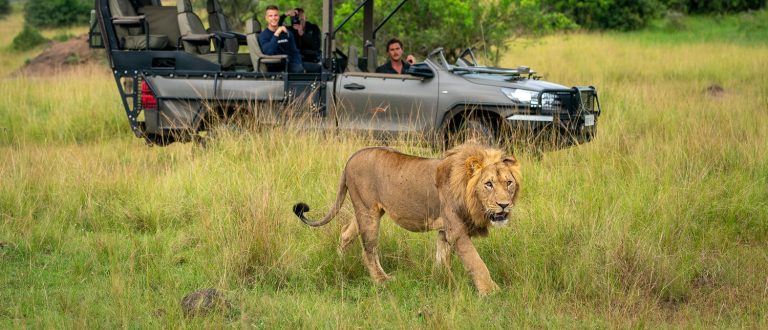 Discover the Magic of Akagera
Explore Akagera
Discover the essential experiences, wildlife and planning guides for Akagera.
-
Game Drives
Morning and afternoon drives across savannah, woodland and lakeshores in search of elephants, giraffes, zebras and more.
-
Wildlife
Classic East African mammals and predators across open plains, wetlands and wooded habitats.
-
Birds
Excellent birding across wetlands, woodland and grassland — waterbirds, raptors and colourful savannah species.
-
Accommodation
Safari-style and lodge stays placed for early game drives and boat safaris without long transfers.
-
Getting There
Reach Akagera by road from Kigali — straightforward to add at the start or end of a Rwanda safari.
-
Best Time
Year-round wildlife; drier months often suit game viewing, greener months shine for birds and photography.
- Best Price Guarantee
- Secure Your Booking
- No Hidden Charges
- Local Safari Experts