
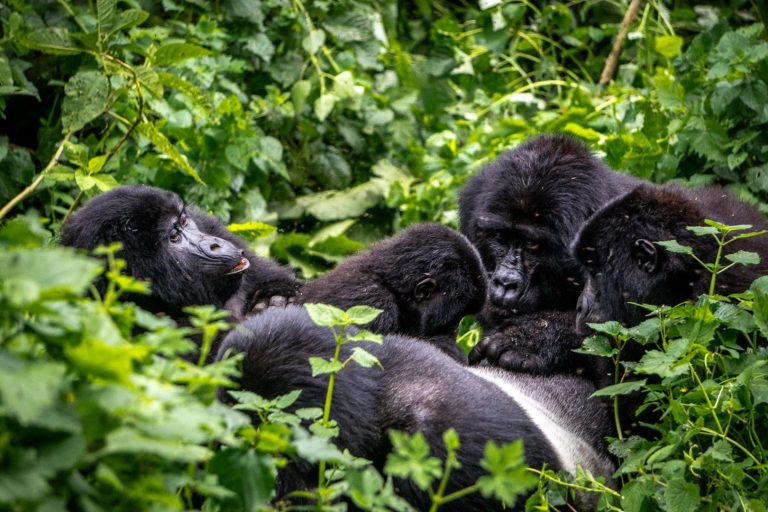
The Nyakagezi Gorilla Family is the mountain gorilla group most strongly associated with Mgahinga Gorilla National Park in southwestern Uganda. For travelers trekking gorillas beneath the dramatic Virunga volcanoes, meeting this habituated family provides one of Uganda's most memorable primate experiences.
Mgahinga is Uganda's smallest national park, but its ecological importance is enormous. The park forms part of the transboundary Virunga conservation landscape shared by Uganda, Rwanda and the Democratic Republic of Congo. Mountain gorillas live within this greater ecosystem rather than recognizing political borders.
Introduction
The Nyakagezi Gorilla Family therefore has a fascinating history closely connected with the geography and conservation story of the Virunga Mountains.
Where Is the Nyakagezi Gorilla Family Found?
The Nyakagezi Gorilla Family is trekked in Mgahinga Gorilla National Park, near Kisoro in southwestern Uganda. The park lies on the slopes of the Virunga volcanoes and includes habitats ranging from montane forest to extensive bamboo zones. Mount Muhabura, Mount Gahinga and Mount Sabyinyo dominate the landscape.
This creates a very different gorilla trekking setting from Bwindi Impenetrable National Park. While Bwindi is famous for exceptionally dense ancient rainforest, Mgahinga combines forest, bamboo and dramatic volcanic scenery.
Why Is the Nyakagezi Gorilla Family Famous?
The Nyakagezi group is one of Uganda's best-known gorilla families because of its history within the wider Virunga ecosystem. Mountain gorillas naturally move according to feeding opportunities, social pressures and ecological conditions.
Historically, the group's movements contributed to a perception that gorilla trekking in Mgahinga could be less predictable than trekking in Bwindi. Over time, regular monitoring has made the Nyakagezi Gorilla Family central to Uganda's established gorilla tourism program in Mgahinga.
Travelers should remember that all information about gorilla family composition remains subject to natural change.
A Transboundary Gorilla Landscape
The Virunga Mountains extend across three countries. To humans, Uganda, Rwanda and the Democratic Republic of Congo are separated by international borders. Mountain gorillas do not understand these boundaries.
Their habitat is defined by forests, mountains, feeding areas and social territories rather than immigration checkpoints. This makes regional conservation cooperation extremely important.
The protection of the Nyakagezi Gorilla Family forms part of a much broader effort to safeguard mountain gorillas across the Virunga landscape.
Gorilla Family Structure
A mountain gorilla family is a complex social unit. It may contain one or more mature silverbacks, adult females, blackbacks, juveniles and infants. Silverbacks are mature males recognized by the silver-grey hair that develops across their backs.
A dominant male plays an important leadership and protective role. He may guide group movements, respond to potential threats and intervene in social conflicts. Adult females care for infants, while juveniles frequently engage in energetic play.
These social relationships make gorilla trekking especially fascinating.
Does the Nyakagezi Family Always Have the Same Number of Gorillas?
Gorilla families change naturally. Infants are born, young animals mature, individuals may transfer and older gorillas eventually die. Leadership relationships can also evolve.
For this reason, exact numbers appearing in old travel articles should not be treated as permanent facts. Your park ranger can provide more up-to-date information during the trekking briefing. Guides who monitor the family regularly can also help identify individual gorillas during the encounter.
Gorilla Habituation
Visitors can trek the Nyakagezi Gorilla Family because it is habituated to carefully controlled human observation. Habituation is a long process carried out by experienced trackers and researchers.
The objective is to reduce excessive fear of limited human presence while allowing gorillas to continue behaving naturally. Habituation does not make mountain gorillas tame. They remain wild animals.
They are not trained to pose for photographs, remain in a fixed location or interact with tourists. This is fundamental to the authenticity of the encounter.
Preparing for Your Nyakagezi Gorilla Family Trek
The trekking day begins early. Visitors should spend the previous night around Mgahinga or Kisoro rather than attempting a long-distance journey on trekking morning. After breakfast, you travel to the designated briefing point.
Park personnel register participants and explain important rules. Topics normally include required viewing distance, health precautions, appropriate behavior and photography. You are then introduced to guides before entering the forest.
Following the Trackers
Professional trackers play a crucial role in every gorilla trek. Mountain gorillas build nests and move through the forest as they feed. Trackers use knowledge from previous observations alongside fresh signs in the habitat.
These signs can include broken vegetation, footprints, dung, feeding remains and nesting areas. Following these clues is part of what makes the trek feel like a genuine wildlife expedition. The family is never simply waiting beside a permanent tourist trail.
How Difficult Is the Nyakagezi Trek?
The difficulty varies from day to day. The Nyakagezi Gorilla Family may be relatively close to the starting area or deeper within the park. Mgahinga's volcanic landscape includes slopes and uneven trails.
Bamboo vegetation can also make movement challenging. Rain may turn trails muddy and slippery. Travelers should therefore have a moderate level of fitness and be prepared for several hours of activity. You do not need specialist mountaineering experience for normal gorilla trekking.
Physical Preparation
A little preparation before traveling can make the trek significantly more enjoyable. Regular walking is useful. If possible, include hills or stair climbing in your exercise routine.
Comfortable walking pace and endurance are more important than speed. You should also arrive well rested. Avoid an unnecessarily long road journey ending late on the night before your trek. An extra night in the region can be worthwhile for this reason alone.
Hiring a Porter
Porters are highly recommended. A porter can carry your daypack and provide physical support on steep or slippery ground. Many travelers begin the morning feeling they do not need help but appreciate the assistance later in the trek.
Porter employment also provides direct income to communities living around Mgahinga. This strengthens the connection between local livelihoods and wildlife conservation.
Finding the Nyakagezi Gorilla Family
When trackers locate the family, your ranger will prepare the group for the encounter. Noise should be reduced. You may be asked to leave walking sticks or unnecessary belongings with the porter.
The final approach is made carefully. Your first glimpse of the gorillas may be through bamboo or forest vegetation. An adult can suddenly become visible only a short distance away. Seeing a silverback at close range is particularly impressive because photographs rarely communicate his true size.
One Hour With the Gorillas
Standard gorilla trekking generally allows visitors up to one hour with a habituated family once the gorillas have been located. During this period, the group remains under ranger supervision. The gorillas continue their normal activities.
They may feed, rest, groom or move slowly through the vegetation. Juveniles may play while adults remain nearby. Nothing is staged. Visitors simply observe whatever is occurring naturally during that particular hour.
What Gorilla Behavior Might You See?
Mountain gorillas spend much of the day feeding. In Mgahinga, the availability of bamboo and other vegetation influences movement and feeding patterns. Visitors may see gorillas stripping plant material or moving gradually between feeding areas.
During quieter periods, grooming and resting behavior can become visible. Young gorillas may wrestle or climb. Mothers often remain attentive to infants. The dominant silverback may appear relaxed while maintaining awareness of the group. Every encounter reveals a different aspect of family life.
What If a Gorilla Comes Close?
Mountain gorillas sometimes move closer than the recommended visitor distance. If this happens, do not reach toward the animal. Do not suddenly run away.
Remain calm and follow the ranger's instructions. The distance rule remains important even if a gorilla temporarily chooses to cross that distance itself. Human visitors are responsible for behaving predictably and respectfully. Never interpret curiosity from a juvenile as permission to interact.
Photography Rules
The Nyakagezi Gorilla Family can provide outstanding photographic opportunities. However, flash photography is prohibited. A moderate zoom lens is useful.
Mountain forest conditions can involve changing light, so a camera that performs well at higher ISO settings can help. Protect equipment from rain. A waterproof cover or dry bag is valuable. Try not to spend all of your viewing time looking through the camera. Direct observation often produces the strongest memories.
What to Wear
Wear sturdy hiking boots with reliable traction. Long trousers protect the legs from vegetation and insects. Long sleeves offer similar protection for the arms. Gardening gloves are useful when holding branches for support. Gaiters can help keep mud and debris away from your boots. Carry a waterproof jacket.
Mgahinga's elevation can also make mornings cool, so a light warm layer is advisable.
Best Time to Trek the Nyakagezi Gorilla Family
Gorilla trekking is available throughout the year subject to permits and operational conditions. The relatively drier periods around June to September and December to February are popular because trails may be easier to negotiate. However, Mgahinga is a mountain environment and rain can fall at any time.
The wetter months can make hiking more challenging but create exceptionally green scenery. The gorillas remain within their natural ecosystem throughout the year.
Nyakagezi Gorilla Permits
A valid Uganda gorilla trekking permit is required. Permit availability should be checked before the rest of your safari is finalized. Only limited numbers of visitors can approach habituated gorillas each day.
This protects the animals and keeps encounters controlled. Booking well in advance is recommended if your travel dates are fixed. Uganda Gorilla Trekking can coordinate permit availability with accommodation and transport.
Where to Stay
Travelers trekking the Nyakagezi Gorilla Family can stay close to Mgahinga Gorilla National Park or around Kisoro. Accommodation options range from practical budget properties to more comfortable safari lodges. Some lodges offer spectacular views of the Virunga volcanoes.
Location is important because trekking begins early. A well-positioned lodge allows you to have breakfast and reach the briefing area without an exhausting pre-dawn transfer.
Combining Nyakagezi With Golden Monkey Tracking
Golden monkey tracking is one of the best additions to a Mgahinga safari. Golden monkeys live primarily in the bamboo habitat of the Virunga Mountains. They behave very differently from gorillas.
They are smaller, fast-moving and often active above the forest floor. A two-day itinerary with gorillas on one day and golden monkeys on another provides two contrasting primate experiences in the same national park.
Volcano Hiking After Gorilla Trekking
Travelers with additional time can explore the volcanic landscape on foot. Mgahinga provides access to challenging hikes associated with Mount Muhabura, Mount Gahinga and Mount Sabyinyo, depending on current operational arrangements. These hikes should normally be allocated separate days.
Attempting a major mountain climb immediately after a demanding gorilla trek may be unnecessarily exhausting. Active travelers can easily spend several days exploring the Mgahinga area.
Combining Mgahinga With Bwindi
Visitors who want an especially comprehensive gorilla experience can combine Mgahinga with Bwindi Impenetrable National Park. The two parks offer dramatically different landscapes. Bwindi provides dense ancient rainforest and multiple trekking sectors.
Mgahinga provides the volcanic environment of the Virungas. Undertaking two gorilla treks can also reveal differences in family behavior and habitat.
Combining Mgahinga With Rwanda
Mgahinga's location makes cross-border Uganda–Rwanda itineraries possible. Travelers can combine the Nyakagezi Gorilla Family with Kigali or Volcanoes National Park, depending on current border procedures and entry requirements.
This can be particularly practical for visitors using Kigali as an international arrival or departure point. All cross-border logistics should be confirmed when the itinerary is prepared.
Conservation Value of Trekking Nyakagezi
The continued survival of mountain gorillas depends on habitat protection, monitoring, veterinary work and cooperation with local communities. Regulated tourism contributes funding to this conservation framework. Visitors also create employment for guides, porters, lodge workers, drivers and community enterprises.
Responsible tourism helps demonstrate that protecting gorillas and their habitat can produce long-term economic benefits.
Rules for Responsible Trekking
Visitors must follow ranger instructions throughout the encounter. Maintain the recommended distance whenever possible. Never touch a mountain gorilla. Keep voices low. Do not use flash photography. Do not eat close to the gorillas.
Avoid littering anywhere in the forest. Visitors showing signs of contagious illness should inform park personnel because gorillas can be susceptible to some human diseases. These rules are not inconveniences; they are essential conservation safeguards.
Plan Your Nyakagezi Gorilla Family Trek
Meeting the Nyakagezi Gorilla Family beneath the Virunga volcanoes is one of Uganda's most distinctive wildlife experiences. The journey combines mountain landscapes, physical adventure, conservation and close observation of a remarkable gorilla society.
Uganda Gorilla Trekking can arrange your permit, accommodation, private transport, professional safari guide and additional experiences around Mgahinga. Your itinerary can also combine the Nyakagezi Gorilla Family with golden monkeys, Bwindi, Queen Elizabeth National Park, Kibale or Rwanda.
With careful preparation and respect for the trekking regulations, an encounter with Nyakagezi can become one of the defining memories of your journey through East Africa.