
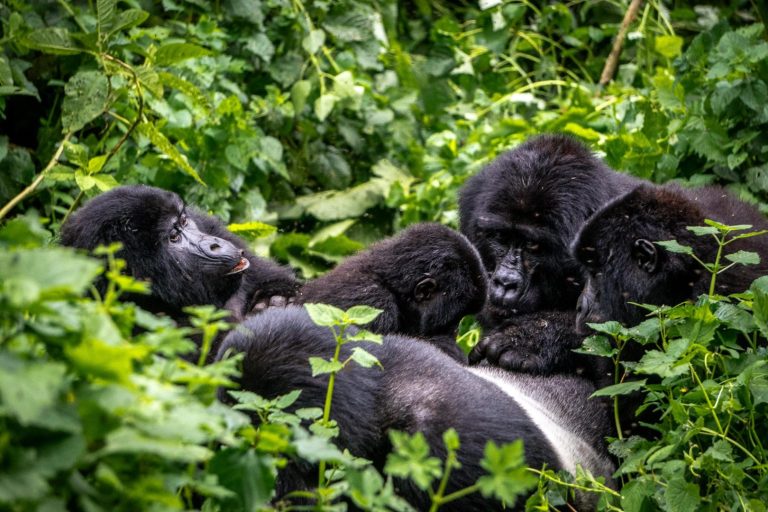
The Nshongi Gorilla Family is one of the mountain gorilla groups associated with the southern part of Bwindi Impenetrable National Park in Uganda. It is particularly linked with the Rushaga sector, an important gorilla trekking area known for its high concentration of habituated gorilla groups, dramatic highland scenery and access to both standard gorilla trekking and, subject to current availability, gorilla habituation experiences.
For travelers planning a Uganda gorilla safari, learning about the Nshongi Gorilla Family helps provide context for the experience ahead. Gorilla trekking is not simply about seeing an endangered species. It is an opportunity to enter the gorillas' natural rainforest habitat and observe the relationships, movements and behaviors that make each family unique.
Where Is the Nshongi Gorilla Family Found?
The Nshongi Gorilla Family is associated with the Rushaga sector of Bwindi Impenetrable National Park. Rushaga lies in the southern part of Bwindi and is reached through Uganda's southwestern highlands. The landscape is characterized by steep green hills, forested slopes and cultivated valleys.
Travelers assigned to gorilla trekking in Rushaga should ideally stay in accommodation close to this sector on the night before the trek.
This is important because Bwindi's trekking sectors are separated by rugged terrain. Even though locations may appear close geographically, driving between sectors can take considerable time. Correct sector planning makes the morning of the trek much easier.
Understanding the Nshongi Gorilla Family
Like every mountain gorilla family, the Nshongi group has changed over time. Gorilla societies are dynamic. Young males mature, infants are born, adult females can transfer between groups and family units can occasionally split.
For this reason, travelers should treat old reports about exact family size and individual membership with caution. The ranger briefing on trekking day is the most reliable opportunity to hear current information about the family.
Rangers and trackers monitor gorilla movements regularly and can explain recent developments in the group's social structure.
The Importance of Gorilla Habituation
The Nshongi Gorilla Family is part of Bwindi's broader conservation story. Before visitors can safely and responsibly observe a gorilla family, the animals must go through a process known as habituation.
Researchers and trackers spend extended periods around the gorillas, gradually allowing them to become accustomed to controlled human presence. This process may take years. Habituation does not domesticate the animals. The gorillas remain completely wild and continue deciding where they move, feed, rest and interact.
This distinction is what makes a gorilla trekking encounter so special.
Starting Your Gorilla Trek in Rushaga
A typical trekking day begins early in the morning. Visitors travel to the designated briefing point, where park officials register participants and explain gorilla trekking regulations.
The briefing covers how to behave around mountain gorillas, recommended viewing distance, photography rules, health precautions and what to expect during the hike. Visitors are then organized into trekking groups and introduced to their ranger guides. Porters are generally available for hire before departure.
Hiring one is strongly recommended, even if you are relatively fit.
Tracking Through Bwindi
Once the trek begins, the group enters Bwindi's dense forest. Trackers use information about where the gorillas were last seen to help narrow the search. They also interpret signs such as footprints, broken vegetation, feeding remains and nests.
Mountain gorillas build nests for resting at night, and these sites can provide valuable information about the family's recent movements. The search is unpredictable because the gorillas do not follow a fixed route. This is part of the authenticity of gorilla trekking.
How Difficult Is the Nshongi Gorilla Family Trek?
The difficulty of a trek cannot be guaranteed in advance. On some days, the Nshongi Gorilla Family may be found after a relatively manageable walk. On others, visitors may need to hike for several hours. Rushaga has hilly terrain, and sections of the trail can become muddy or slippery after rain.
Travelers should therefore prepare for a moderate to challenging forest walk. Regular exercise before your safari can make the experience more comfortable. Walking uphill, using stairs and improving general cardiovascular fitness are particularly helpful.
Meeting the Nshongi Gorilla Family
The moment the gorillas are located can be extraordinary. Your ranger will normally ask the group to reduce noise and prepare for the encounter. Walking sticks and unnecessary belongings may be left behind with porters, depending on ranger instructions.
The first gorilla can appear almost unexpectedly. You may notice movement in thick vegetation before an adult emerges into clearer view. The size of a mature silverback is immediately impressive, but the smaller details often become equally memorable.
Watching a mother care for an infant or juveniles interact can reveal how complex gorilla family life really is.
How Long Do You Stay With the Gorillas?
Visitors undertaking a standard gorilla trek generally spend up to one hour with the habituated gorilla family once it has been located. This time limit forms part of the conservation system designed to minimize human impact. The ranger supervises the encounter and explains the behavior you are observing.
Gorillas may remain in one location or gradually move through the vegetation. Visitors follow at a respectful distance under the guide's direction. The one-hour period often feels surprisingly short, so it is worth balancing photography with simply observing the animals.
Gorilla Behavior to Watch For
Mountain gorillas spend a large part of their day feeding. Their diet is predominantly plant-based and can include leaves, shoots, stems and other vegetation.
During your encounter with the Nshongi Gorilla Family, you may see individuals pulling vegetation toward themselves and carefully selecting particular plant parts. Resting periods can produce more social activity. Young gorillas may wrestle or climb, while adults sometimes groom one another.
A silverback may sit quietly while keeping awareness of the group's surroundings. Every encounter is different.
Photography During the Trek
Bwindi can be challenging for photographers because forest light is often limited. A camera with good low-light capability is useful. A moderate zoom lens provides flexibility without requiring you to move unnecessarily close to the gorillas.
Flash photography is prohibited. Bring spare batteries and protect your camera from rain. A waterproof bag or protective camera cover can be very useful in Bwindi. Remember that the best photographs are not worth disturbing the gorillas or ignoring ranger instructions.
What to Wear
Good hiking boots are essential. Choose a pair with strong grip and preferably waterproof construction. Long trousers and a long-sleeved shirt protect against vegetation and insects.
Gaiters can help during muddy conditions. Gardening gloves are also useful because they protect your hands when holding plants or branches for balance. Carry a lightweight rain jacket because tropical rain can occur at any time. A small daypack should contain water, camera equipment and other personal essentials.
Hiring a Porter
A porter can significantly improve the trekking experience. They carry your backpack and can help you negotiate steep or slippery sections. Many travelers who initially think they will not need assistance appreciate having a porter later in the trek.
The economic benefit is equally important. Porter work provides income for people living around Bwindi and strengthens the connection between tourism, conservation and local communities.
Best Time to Trek the Nshongi Gorilla Family
Gorilla trekking takes place throughout the year. The relatively drier periods from approximately June to September and December to February are popular because trails may be easier. However, Bwindi remains a rainforest and showers can occur even during these periods.
March to May and October to November tend to be wetter. Trails may be more challenging, but the forest is beautifully green and gorilla trekking continues. The Nshongi Gorilla Family remains in its natural habitat throughout the year.
Gorilla Trekking Permits
A valid Uganda gorilla trekking permit is required. Permits are limited to control the number of visitors approaching habituated gorillas. Availability can become restricted during popular travel seasons.
It is therefore advisable to secure permits before confirming the rest of your safari. Your accommodation should then be selected according to the appropriate trekking sector. Uganda Gorilla Trekking can coordinate permits, transport and accommodation within one itinerary.
Accommodation Around Rushaga
Rushaga has a good selection of gorilla safari lodges. Options range from simpler budget accommodation to comfortable mid-range and luxury properties. Location should be a key consideration.
Staying close to the trekking headquarters reduces morning travel and allows more time to rest before the trek. Several lodges also offer attractive views across the Bwindi highlands.
Combining Rushaga With Other Destinations
A trek to see the Nshongi Gorilla Family can be combined with several other Uganda safari experiences. Queen Elizabeth National Park is a popular addition, providing traditional savannah game viewing and boat safaris.
Kibale National Park offers chimpanzee trekking and complements the mountain gorilla experience very well. Travelers can also continue toward Lake Mburo National Park or cross into Rwanda, depending on the itinerary and current border arrangements.
Responsible Gorilla Tourism
Responsible behavior is essential around mountain gorillas. Maintain the recommended distance whenever possible. Never touch a gorilla.
Keep your voice low and do not use flash photography. Eating and drinking should not take place near the animals. Visitors who are unwell should inform their operator or park personnel because mountain gorillas can be vulnerable to human illnesses. These regulations help ensure that gorilla tourism remains sustainable.
Plan Your Nshongi Gorilla Family Safari
Tracking the Nshongi Gorilla Family offers an opportunity to experience the southern forests of Bwindi in a personal and unforgettable way. The combination of mountain scenery, challenging forest trekking and close observation of wild gorillas creates one of Uganda's signature travel experiences.
Uganda Gorilla Trekking can help arrange your gorilla permit, Rushaga accommodation, private transfers and a complete Uganda or Uganda–Rwanda safari itinerary.
With careful planning and realistic preparation, a trek in search of the Nshongi Gorilla Family can become one of the most rewarding wildlife experiences of your journey through Africa.