
Gorilla Conservation
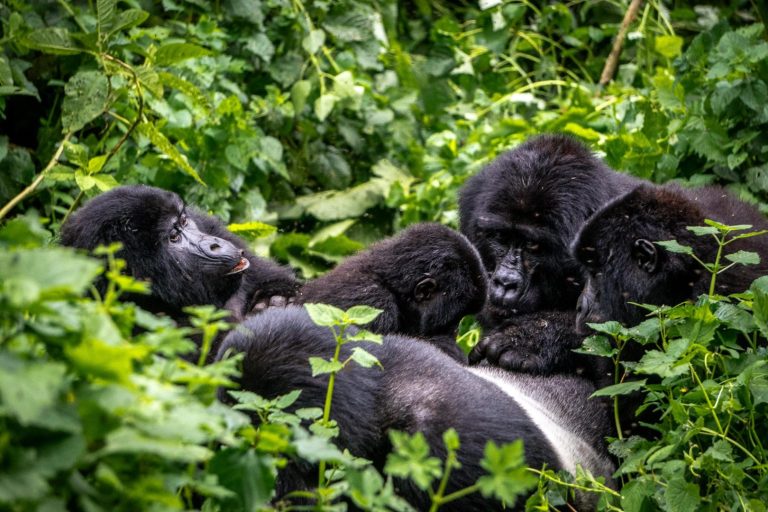
The opportunity to sit quietly in an African rainforest and watch a mountain gorilla family is possible because of decades of dedicated gorilla conservation.
Successful conservation involves protecting forests, monitoring gorilla families, supporting veterinary interventions where appropriate, conducting research, managing tourism and working with communities living around protected areas.
Visitors participating in regulated gorilla trekking become part of this broader conservation story.Where Are Mountain Gorillas Protected?
Uganda protects mountain gorillas in Bwindi Impenetrable National Park and Mgahinga Gorilla National Park. Bwindi contains an ancient and biologically rich forest landscape and is one of the world's most important mountain gorilla habitats.
The transboundary nature of gorilla habitat makes cooperation particularly important because wildlife does not recognize national borders.
Why Mountain Gorillas Need Protection
Mountain gorillas face pressures that are common to many wildlife species living within densely populated regions. Habitat protection is essential because gorillas require functioning forest ecosystems. Human activity around protected areas must therefore be managed carefully.
Disease represents another concern. Gorillas are genetically close to humans, meaning some human illnesses may pose risks to them. This is one reason visitor behavior during trekking is strictly controlled.
Other conservation challenges can include illegal activities within forests, snares intended for other wildlife and broader pressures associated with land use around protected areas.
The Importance of Protected Forests
Conserving gorillas means conserving their habitat. A gorilla cannot be protected effectively if the surrounding ecosystem disappears. Forests such as Bwindi support far more than mountain gorillas. They contain numerous mammals, birds, butterflies, plants and other organisms.
They also provide ecosystem services extending beyond park boundaries. By protecting gorilla habitat, conservation programs help preserve entire ecological communities.
This makes the mountain gorilla an important flagship species: protecting an animal that attracts international attention can also protect thousands of less famous species sharing the same habitat.Gorilla Monitoring
Gorilla families are monitored by teams working within protected areas. Regular monitoring helps conservation authorities understand group composition, movements and significant changes affecting individual gorillas. Trackers develop remarkable knowledge of the animals and the forest.
This expertise also supports tourism because guides need current information when searching for habituated groups. Monitoring creates a connection between tourism, research and conservation management.
The gorilla you encounter during a trek is therefore part of a population that is being observed and protected through ongoing fieldwork.
Gorilla Habituation
Tourists do not simply walk into the forest and approach any gorilla they encounter. Gorilla trekking normally involves groups that have undergone a carefully managed habituation process.
Habituation gradually allows particular gorilla families to become accustomed to the presence of researchers, trackers and eventually controlled visitor groups. The process requires time and professional monitoring. Habituated gorillas remain wild animals. Habituation does not mean domestication.
Visitors must therefore continue to behave according to strict regulations and follow ranger instructions throughout the encounter.
How Gorilla Tourism Supports Conservation
Regulated tourism gives mountain gorillas significant economic value as living wildlife. Visitors purchase permits to participate in gorilla trekking. Tourism also generates demand for accommodation, transport, guides, porters and other services.
This creates economic activity linked directly or indirectly to protected forests. When wildlife contributes to local and national economies, conservation can gain broader support. However, tourism must remain carefully controlled.
Allowing unlimited numbers of visitors would undermine the very conservation objectives that make gorilla trekking possible. The model therefore depends on balancing visitor demand with the welfare of gorillas and their habitat.Why Gorilla Permits Are Limited
A gorilla permit is not simply an admission ticket. Permit systems are part of a wider mechanism for controlling access to habituated gorilla families. Limiting visitor numbers reduces the amount of human contact experienced by each group.
Health Rules and Mountain Gorillas
Protecting gorillas from human disease is a major reason for health-related trekking regulations. Travelers should never hide significant illness simply because they do not want to miss a trek. Although doing so may be disappointing, protecting a vulnerable population of great apes must come first.
Visitors should also follow instructions concerning appropriate distance and behavior around gorillas. Occasionally a gorilla may move closer than expected. In such circumstances, trekkers should remain calm and follow the ranger's directions rather than attempting to touch or interact with the animal.
Communities and Gorilla Conservation
Protected areas do not exist in isolation. Communities live around the forests and interact economically and socially with the wider landscape. Long-term conservation therefore requires local participation and benefits.
Tourism creates employment through guiding, tracking, accommodation, transport, food production, crafts and porter services. Community tourism initiatives can provide additional income.
When local households receive tangible benefits associated with wildlife tourism, conservation can become economically meaningful beyond the boundaries of the park.
Porters and Conservation Tourism
Hiring a porter during your gorilla trek provides a simple example of how tourism can create direct local income. Porters assist visitors with bags and provide support on challenging forest terrain. For the traveler, this can make the trek significantly easier.
For communities, porter employment provides a livelihood connected to the continued presence of gorillas and tourists. This demonstrates an important conservation principle: wildlife protection becomes stronger when neighboring communities can participate in the economic opportunities it creates.
Research and Veterinary Support
Scientific research contributes to understanding gorilla ecology, health, behavior and population dynamics. Long-term observations can reveal changes that would otherwise be difficult to detect. Veterinary expertise may also play a role in conservation under carefully defined circumstances.
Research, monitoring and veterinary knowledge together contribute to informed management.
What Gorilla Trekkers Can Do
Visitors can support conservation by behaving responsibly. Follow every instruction provided during the pre-trek briefing and by rangers in the forest. Do not attempt to touch gorillas.
Conservation Beyond Your Trek
The impact of a gorilla safari does not have to end when you leave the forest. Travelers can continue learning about mountain gorillas, support credible conservation initiatives and share accurate information about responsible gorilla tourism.
Their future, however, still depends on continued protection.
Experience Gorilla Conservation Through Responsible Tourism
Seeing mountain gorillas in their natural habitat provides a powerful reminder of what conservation can achieve. Every trek is supported by a much larger network of rangers, trackers, researchers, conservation organizations, tourism professionals and local communities.
Understanding that wider effort makes the encounter even more meaningful. When planning your Uganda or Rwanda gorilla safari, choose regulated trekking experiences, follow conservation rules and travel with respect for both wildlife and communities.
Gorilla conservation protects more than a remarkable great ape—it helps preserve forests, biodiversity and a wildlife heritage of global importance.