
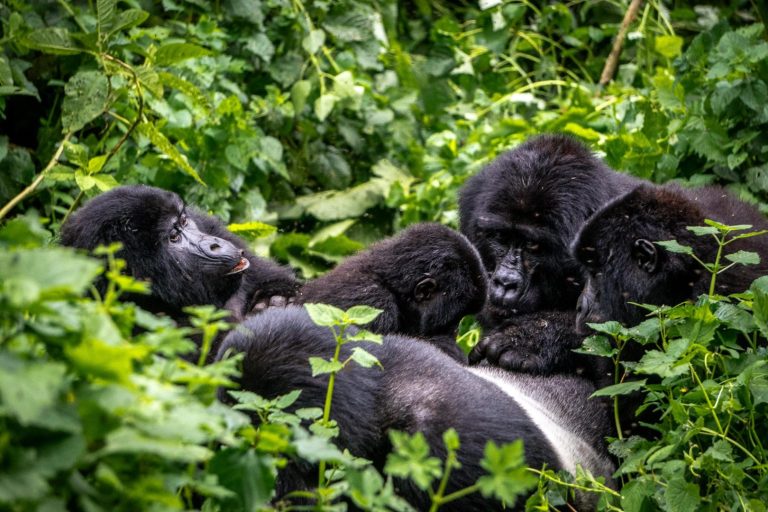
Uganda's Premier Gorilla Trekking Destination
Bwindi Impenetrable National Park
A UNESCO World Heritage Site and home to nearly half of the world’s remaining mountain gorillas — dense ancient rainforest, misty ridges and unforgettable primate encounters.
- Established 1991
- Location Southwestern Uganda
- Size 331 km²
- UNESCO Site Since 1994
- Famous For Mountain Gorillas
Overview
Discover the Impenetrable Forest
Deep within the mist-covered mountains of southwestern Uganda lies one of Africa’s most extraordinary natural treasures — Bwindi Impenetrable National Park. Renowned worldwide as one of the best places to see endangered mountain gorillas in their natural habitat, Bwindi offers an unforgettable journey into one of the oldest and most biologically diverse rainforests on Earth.
This UNESCO World Heritage Site protects nearly half of the world’s remaining mountain gorilla population. Yet Bwindi is much more than a gorilla trekking destination: hundreds of bird species, numerous mammals, vibrant Batwa communities and spectacular mountain scenery make every visit richer than a single trek.
- Mountain Gorilla Trekking
- Gorilla Habituation
- 350+ Bird Species
- 10+ Primate Species
- Ancient Rainforest
- Batwa Culture
Why Bwindi
Why Visit Bwindi Impenetrable National Park?
Bwindi is one of Africa’s most rewarding safari destinations because it combines extraordinary wildlife, spectacular scenery and meaningful conservation.
- Mountain gorilla trekking and the Gorilla Habituation Experience
- One of Africa’s oldest rainforests — a UNESCO World Heritage Site
- Exceptional Albertine Rift birdwatching
- Guided forest walks, waterfalls and mountain scenery
- Batwa cultural experiences and community tourism
- Photography opportunities and lodge stays from budget to luxury
Unlike savannah parks, Bwindi immerses you in dense tropical rainforest where every trail reveals new sounds, colours and wildlife. The anticipation of tracking gorillas through ancient forest makes every step part of the adventure.
Location
Where is Bwindi?

Bwindi sits in southwestern Uganda along the Albertine Rift Valley, close to the borders of Rwanda and the Democratic Republic of Congo — ideal for Uganda gorilla safaris, Uganda–Rwanda combined tours, and gorilla plus chimpanzee or wildlife itineraries.
- From Kampala / EntebbeAbout 500 km / 470 km
- From Queen ElizabethAbout 170 km
- From Lake BunyonyiAbout 110 km
- From KigaliRoughly 4–5 hours
Because of its proximity to Rwanda, many visitors fly into Kigali and transfer by road to southern Bwindi.
The forest
A Rainforest Older Than the Ice Age

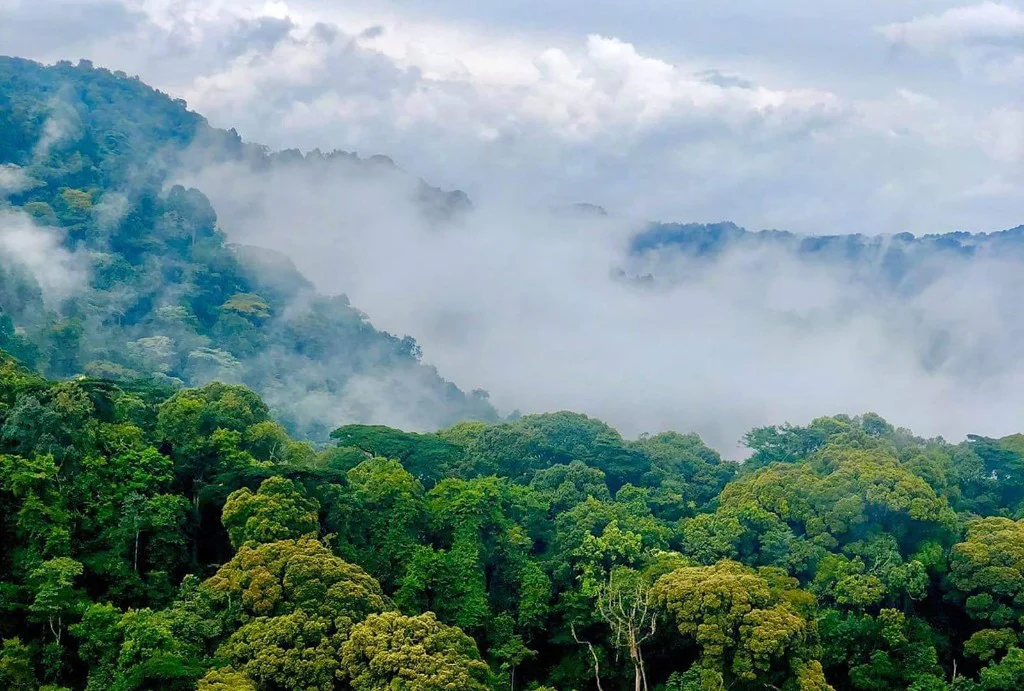
Bwindi is one of Africa’s oldest surviving rainforests, believed to have remained largely intact for more than 25,000 years — even during the last Ice Age. That age has allowed countless species to evolve, making Bwindi one of the continent’s richest biodiversity hotspots.
Habitats include dense tropical rainforest, bamboo zones, montane forest, river valleys, waterfalls and fern-covered slopes. Towering hardwoods rise more than 40 metres above the forest floor while vines, mosses and orchids create the “impenetrable” character that gave the park its name.
Key milestones: protected forest reserves from 1932; Impenetrable Central Forest Reserve in 1964; gazetted as Bwindi Impenetrable National Park in 1991; UNESCO World Heritage Site since 1994. Today Bwindi is one of Africa’s greatest conservation success stories — tourism supporting wildlife protection and local communities.
Experiences
Things to Do in Bwindi
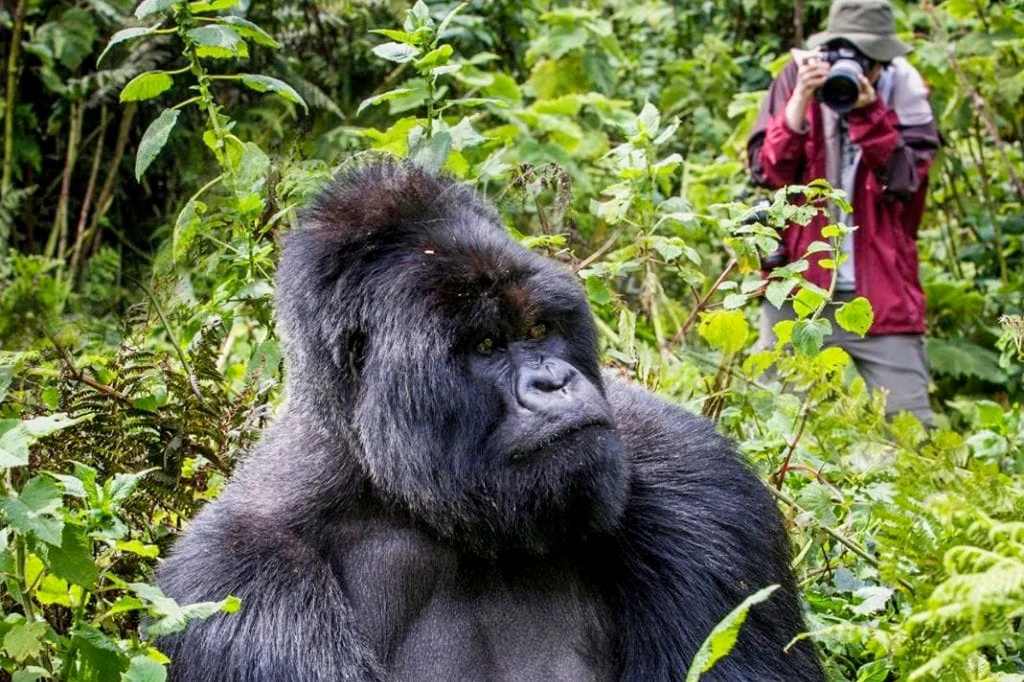
Gorilla trekking is the signature experience, but spending several days reveals much more — walks, birds, culture and scenery.
Gorilla Trekking
Each morning, visitors gather at a UWA centre in Buhoma, Ruhija, Rushaga or Nkuringo for a ranger briefing, then trek with a small group to a habituated gorilla family. Hikes may take one to several hours. Once found, you spend up to one hour observing silverbacks, mothers, infants and juveniles in the wild.
Gorilla Habituation Experience
Available in Rushaga, habituation offers up to four hours with researchers, trackers and rangers alongside a family still being prepared for tourism. Ideal for photographers, filmmakers, conservation travellers and repeat visitors.
Guided Nature Walks & Trails
Guided walks introduce ancient trees, medicinal plants, butterflies, birds and forest ecology. Popular options include the Munyanga Waterfall Trail from Buhoma and the scenic Ivy River Trail between Buhoma and Nkuringo.
Birdwatching
With 350+ recorded bird species and many Albertine Rift endemics — African Green Broadbill, Shelley’s Crimsonwing, Grauer’s Broadbill, Handsome Francolin, Regal Sunbird and more — Bwindi is one of Africa’s finest birding destinations.
Batwa Culture & Community Walks
Learn about Batwa forest heritage through storytelling, music, dance, fire-making and plant knowledge. Community visits may include schools, women’s groups, craft workshops, coffee farms and traditional homesteads.
Mountain Hiking
Beyond trekking, trails pass through forest, tea plantations, highland villages and ridges with panoramic viewpoints — often combined with birding and photography.
Wildlife
Wildlife of Bwindi
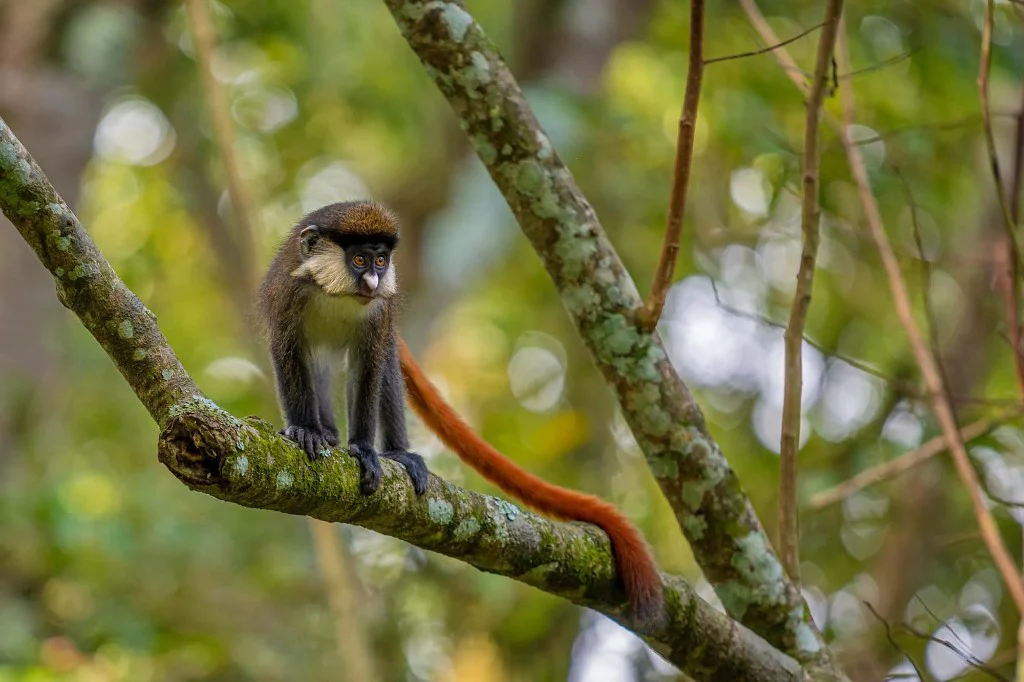
Mountain gorillas are the stars, but Bwindi protects one of Africa’s richest forest ecosystems: 120+ mammal species, 350+ birds, hundreds of butterflies, reptiles, amphibians and thousands of plants.
Primates include black-and-white colobus, blue monkey, red-tailed monkey, L’Hoest’s monkey, olive baboon and rarely seen chimpanzees. Other mammals include forest elephant, giant forest hog, bushbuck, duikers, civets, African golden cat and side-striped jackal — many elusive in dense vegetation.
- Mountain gorillas
- 120+ mammals
- Forest elephants
- 10+ primates
- Albertine endemics
Birdlife
Birdwatching in Bwindi
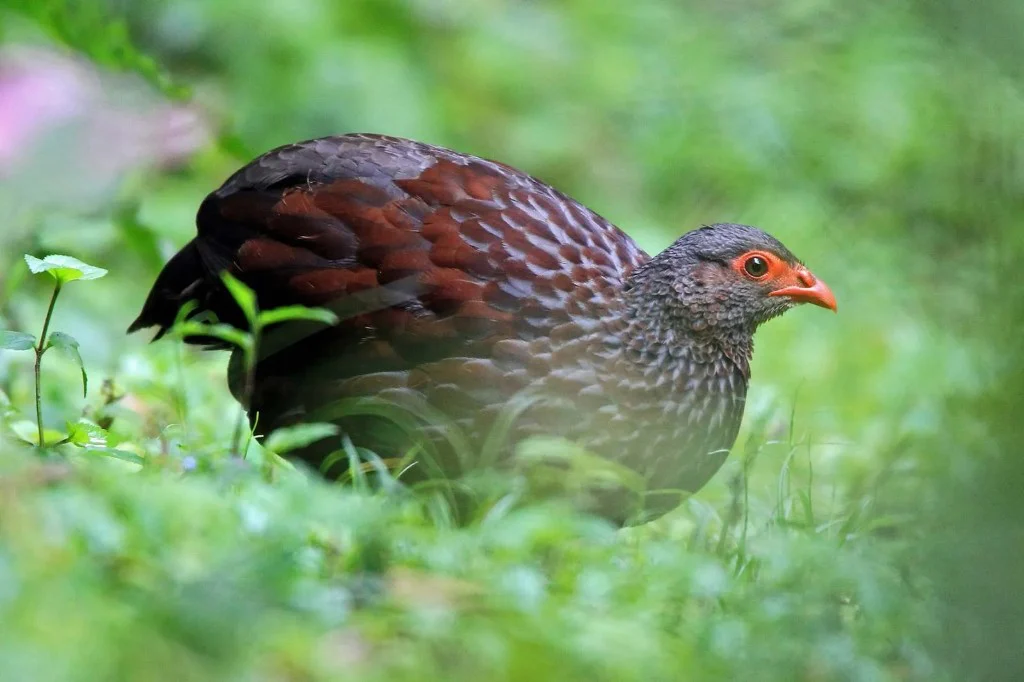
Montane forest and Albertine Rift habitats make Bwindi indispensable for serious birders. Endemics and specialties include African Green Broadbill, Shelley’s Crimsonwing, Grauer’s Warbler, Chapin’s Flycatcher, Regal Sunbird, Archer’s Robin-Chat and Mountain Masked Apalis. Birding is possible year-round; specialised guides greatly improve rare-species sightings.
- 350+ species
- African Green Broadbill
- Shelley’s Crimsonwing
- Regal Sunbird
Sectors
The Four Gorilla Trekking Sectors

The best sector depends on permits, lodges, itinerary, fitness, route and budget. Our specialists recommend based on your plans — not a one-size-fits-all “best”.
Buhoma
Northern Bwindi’s original tourism sector — historic trekking, luxury lodges, waterfall trail and easy pairing with Queen Elizabeth National Park.
Ruhija
High-altitude scenery and outstanding birdwatching, often quieter trails and comfortable mid-range stays — ideal for birders and photographers.
Rushaga
The highest number of habituated families, Gorilla Habituation Experience, strong lodge choice and easy access from Kisoro — great for permit flexibility.
Nkuringo
Spectacular Virunga views, quieter atmosphere and more adventurous trekking — popular with hikers and travellers seeking exclusivity.
Where to stay
Accommodation in Bwindi
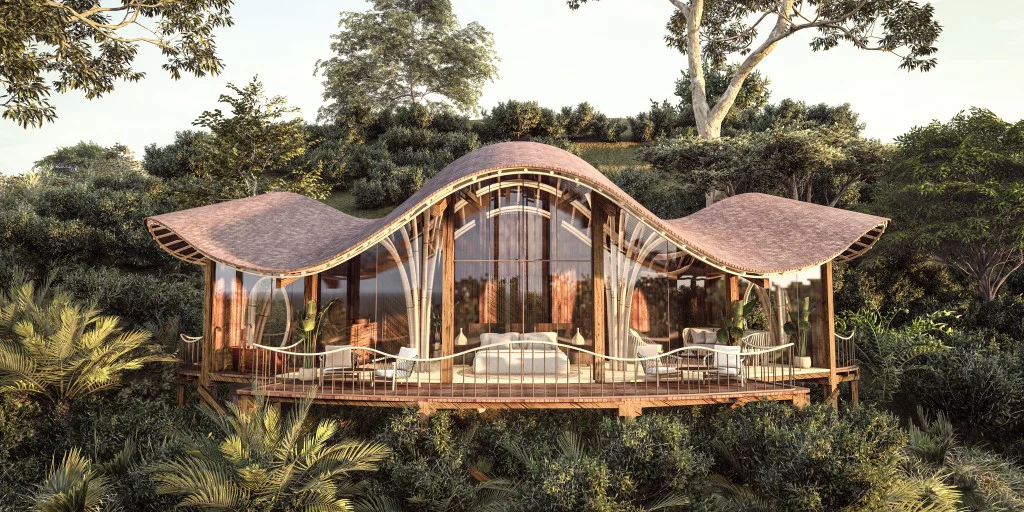
Lodges range from simple guesthouses to internationally recognised luxury properties across all four sectors. Staying close to your assigned sector improves the overall experience.
- Budget
Rushaga Gorilla Haven Lodge, Broadbill Forest Camp, Ride 4 A Woman Guest House, Bwindi Backpackers Lodge
- Mid-range
Ichumbi Gorilla Lodge, Bakiga Lodge, Gorilla Mist Camp, Engagi Lodge, Lake Mulehe Safari Lodge
- Luxury
Clouds Mountain Gorilla Lodge, Buhoma Lodge, Mahogany Springs, Four Gorillas Lodge, Gorilla Forest Camp
When to go
Best Time to Visit Bwindi
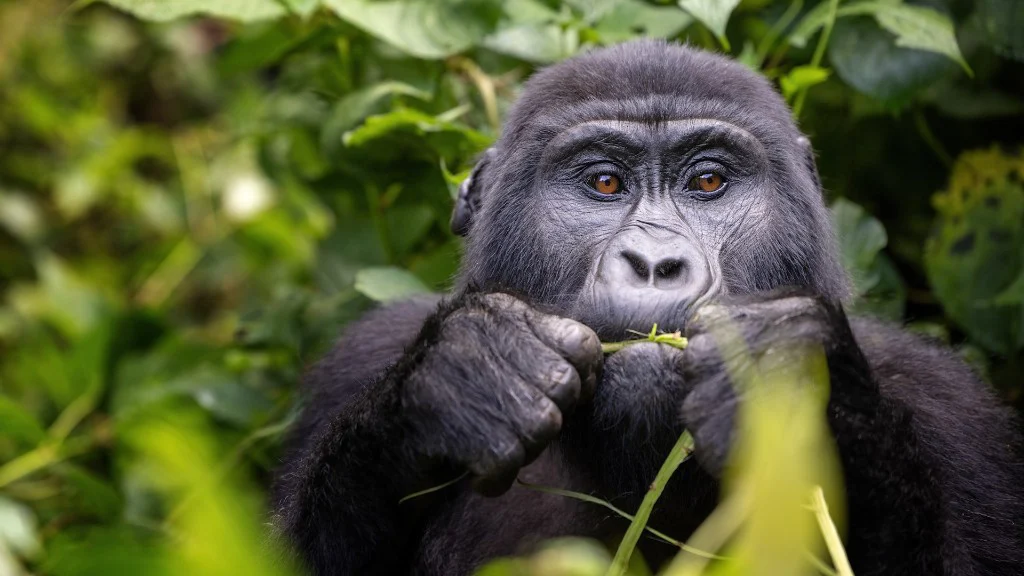
Gorilla trekking runs every day of the year — mountain gorillas stay in the forest year-round — so Bwindi is a true all-season destination. Conditions, scenery and visitor numbers still change by month.
Dry seasons
Drier trails, easier hiking, clearer mountain views and peak demand. Book permits and lodges several months ahead. Ideal for first-timers, luxury and honeymoon travellers, photographers and Uganda–Rwanda combined tours.
Wet seasons
Lush green rainforest, fewer tourists, better lodge availability and peaceful treks. Trails can be muddier and more demanding; wildlife viewing remains outstanding.
Month-by-month snapshot
- Jan–FebExcellent trekking and photography; high visitor numbers.
- Mar–MayIncreasing rain, greener forest, quieter trails.
- Jun–AugMain dry season and peak tourism — book early.
- Sep–NovTransition and rains; strong birdwatching.
- DecemberHoliday peak for Christmas and New Year safaris.
Climate
Weather in Bwindi
Altitude gives Bwindi a cooler climate than much of Uganda. Daytime temperatures are typically about 20–27°C; evenings often cool to 9–15°C. Rain is possible in every month — pack waterproof layers year-round. Morning mist is common and adds to the park’s atmosphere.
- Daytime20–27°C
- Evening9–15°C
- RainPossible year-round
Access
Getting There
Reach Bwindi by road from Kampala/Entebbe, from Queen Elizabeth or Lake Bunyonyi, or via Kigali for southern sectors. Domestic or charter flights to nearby airstrips can shorten transfers. We quote road and fly-in options based on your sector and itinerary.
Permits
Gorilla Permits
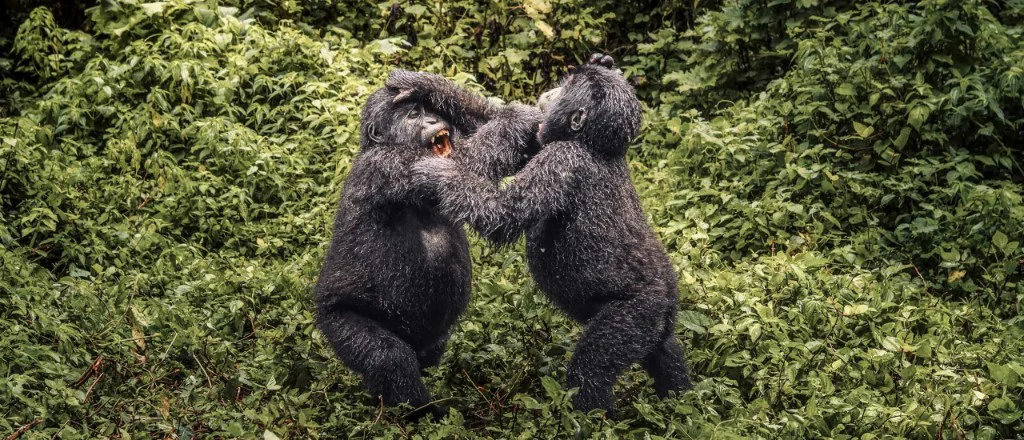
A Uganda Wildlife Authority gorilla trekking permit is mandatory for every visitor on a guided trek with a habituated family. It typically includes park entry for the trek, ranger briefing, professional guides, tracking, up to one hour with the family, and a conservation contribution.
Daily visitor numbers are strictly limited — reserve permits well in advance, especially in high season. We recommend booking your safari several months before travel.
The Gorilla Habituation Experience in Rushaga uses a separate permit for up to four hours with a semi-habituated family under researchers and rangers — popular with photographers, filmmakers, conservation travellers and repeat visitors.
Photography
Photography in Bwindi
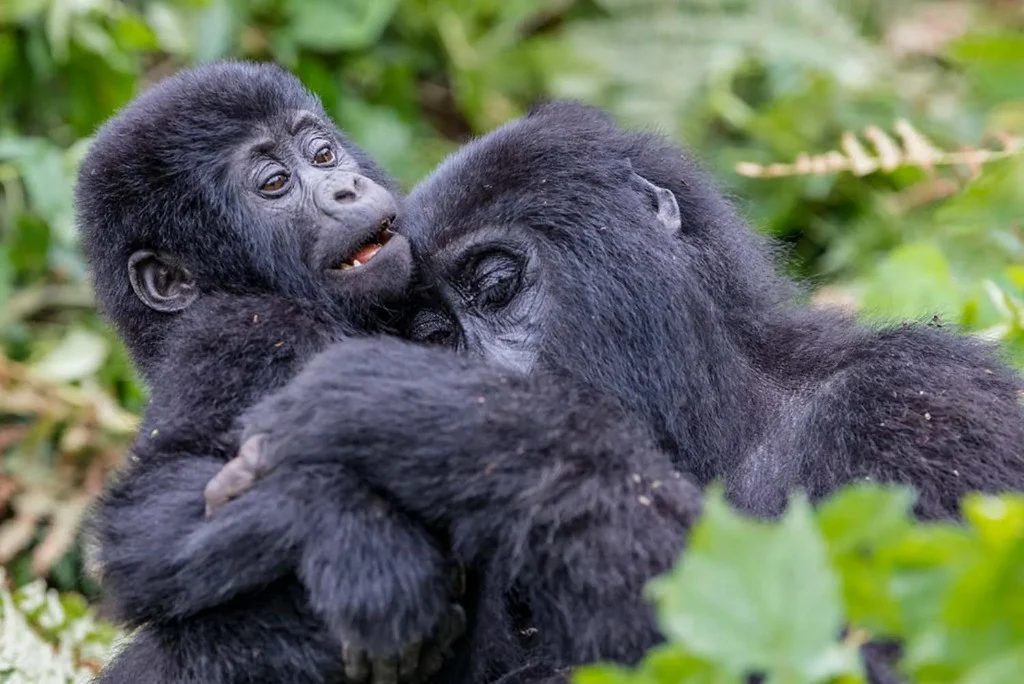
Bwindi offers exceptional wildlife photography, but rainforest light differs greatly from open savannah. Prefer a DSLR or mirrorless body with strong low-light performance, a fast telephoto, a wide-angle option, spare batteries and cards, rain cover and a lens cloth. Flash photography is not permitted.
For bird photography, plan early morning walks with experienced guides, use a lightweight telephoto, and allow time — many Albertine Rift endemics reward patience.
- No flash
- Low-light camera
- Fast telephoto
- Rain cover
Travel safely
Safety, Health & Responsible Tourism
Bwindi is one of Uganda’s safest tourism destinations. Every trek is escorted by experienced UWA rangers who protect both visitors and gorillas. Habituated families are used to carefully managed visits, but gorillas remain wild animals.
- Follow ranger instructions and stay with the group
- Wear proper footwear and carry drinking water
- Keep viewing distance; never feed wildlife
- No flash photography; speak quietly
- Leave no litter; support local communities
- Tell staff if you feel unwell
Travel with comprehensive insurance, routine vaccinations, personal medication, insect repellent, sun protection and good hydration. Anyone with a contagious illness should postpone trekking to protect the gorillas.
Practical tips
Travel Tips & Packing
- Book permits and popular lodges early — they sell out in peak months
- Arrive one day before trekking to rest after the journey
- Hire a porter — easier hiking and local employment
- Carry rain protection year-round
- Stay flexible — every trek is different
- Observe quietly and follow ranger guidance
Clothing
Waterproof hiking boots, long trousers, long-sleeved shirts, waterproof jacket, warm fleece, hat, extra socks and gardening gloves.
Equipment
Camera, binoculars, daypack, power bank, water bottle and optional walking poles.
Personal
Passport, gorilla permit confirmation, sunscreen, insect repellent, personal medication and hand sanitiser.
Sample trips
Suggested Itineraries
Popular combinations also include Mgahinga, Volcanoes National Park (Rwanda), Lake Mburo and Semuliki.
- 3 Day Uganda Gorilla Trekking SafariIdeal for limited time: scenic drive, equator and Bwindi trek.
- 4 Day Gorilla & Lake BunyonyiTrekking plus canoeing and highland scenery.
- 5 Day Gorilla & ChimpanzeeBwindi plus Kibale chimpanzee trekking.
- 7 Day Gorilla & WildlifeQueen Elizabeth (Kazinga, tree-climbing lions) with Bwindi.
- 10 Day Primate & WildlifeMurchison, Kibale, Queen Elizabeth, Bwindi and Lake Mburo.
Conservation
Conservation & the Batwa
Bwindi is a leading example of conservation through tourism. Permit revenue supports anti-poaching, veterinary care, habitat protection, community development, education and monitoring — with UWA, communities, NGOs, researchers and responsible visitors working together.
The Batwa are among Central Africa’s oldest indigenous communities. After park gazettement in 1991 many were relocated outside the forest; community tourism now helps preserve traditions while providing livelihoods. Visit respectfully and support local crafts and cultural programmes.
Discover the Magic of Bwindi Impenetrable
Explore Bwindi Impenetrable
Discover the essential experiences, wildlife and planning guides for Bwindi Impenetrable.
-
Gorilla Trekking
Track habituated mountain gorilla families with park guides on a once-in-a-lifetime forest trek.
-
Wildlife
Discover primates, forest elephants, duikers and the rich biodiversity of the park.
-
Birds
Spot Albertine Rift endemics and hundreds of forest bird species with expert birding guides.
-
Accommodation
Stay in handpicked lodges near trek sectors — from mid-range comfort to luxury rainforest camps.
-
Getting There
Reach the park by road from Kampala or Kigali, or fly into nearby airstrips for shorter transfers.
-
Travel Guide
Practical planning tips for permits, fitness, packing and the best time to visit Bwindi Impenetrable National Park.
- Best Price Guarantee
- Secure Your Booking
- No Hidden Charges
- Local Safari Experts