
2 DAYS / 1 NIGHTS
2 Day Uganda Gorilla Trekking Safari
Guide and planning information: 2 Day Uganda Gorilla Trekking Safari.
- Gorilla Trekking Permit Support
- Private Safari 4x4 Vehicle
- Expert Guide English Speaking
- All Meals Breakfast, Lunch, Dinner
- 24/7 Support We're here to help
- Best Price Guarantee
- Secure Your Permit
- Tailor-made Safaris
- Responsible Tourism
Safari Overview
Why Choose a 2 Day Gorilla Safari?
Many travelers visit East Africa primarily to see mountain gorillas but do not have time for a long wildlife itinerary. A two-day safari offers a practical compromise. The first day positions the traveler near the gorilla trekking sector. The second day focuses on the gorilla trek. This is much more comfortable than attempting to travel a long distance on the same morning as the trekking briefing. The safari can also be integrated into a longer Rwanda, Kenya or Tanzania itinerary.- Duration 2 Days
- Starts / Ends Entebbe
- Best For Couples, Families, Solo travellers
- Difficulty Moderate
- Max Altitude ~2,500 m
Safari Highlights
- Mountain gorilla trekking experience
- Private 4×4 safari vehicle
- Experienced local safari guide
- Handpicked lodge options
- Flexible & customizable itinerary
Safari Itinerary
-
Day 01
Transfer to the Gorilla Region
Your safari driver-guide collects you from the agreed starting point. The route depends on whether you are traveling from Kigali, Kisoro, Kampala, Entebbe or another destination. Travelers approaching from Rwanda complete immigration procedures before entering Uganda.
Those traveling from central Uganda continue southwest through changing landscapes toward the gorilla region. The road journey itself provides an opportunity to see rural communities, farms, hills and the dramatic scenery of southwestern Uganda.
Arrival at the Gorilla Lodge
The objective is to arrive before evening. Once at the lodge, guests check in and have time to relax. Dinner is normally included depending on the safari package.
Your guide confirms the following morning's program. Visitors should prepare hiking boots, waterproof jackets, gloves, cameras and daypacks before going to bed. An early night is useful because the trekking day begins early.
Choosing the Correct Lodge
A lodge marketed as being near Bwindi may still be poorly positioned for your permit. Your safari operator should confirm the trekking location before booking accommodation.
Main Destination: Bwindi Impenetrable National Park
Accommodation Options
- Mid-range
-
Day 02
Gorilla Trekking
Breakfast is served early. Your driver-guide transfers you to the park headquarters. Visitors register and join the morning gorilla trekking briefing.
Park officials explain safety rules, conservation requirements and expected behavior. Trekkers are then assigned according to the current system. Porters may be hired before entering the forest.
Using a porter is strongly recommended.
Entering the Forest
The trekking group enters the forest with guides and trackers. The duration of the trek varies significantly. Some gorilla families may be located relatively quickly.
Others require several hours of hiking. Visitors should prepare for steep hills, slippery ground, dense vegetation and changing weather. The uncertainty is part of the experience.
Mountain gorillas are wild animals that move naturally throughout their habitat.
Finding the Gorillas
Trackers use extensive knowledge of the forest and fresh signs to determine the gorillas' location. When the group approaches the family, the guide explains how to proceed. Visitors prepare cameras and move quietly.
The moment the gorillas first become visible is often the emotional highlight of the entire safari.
Observing a Gorilla Family
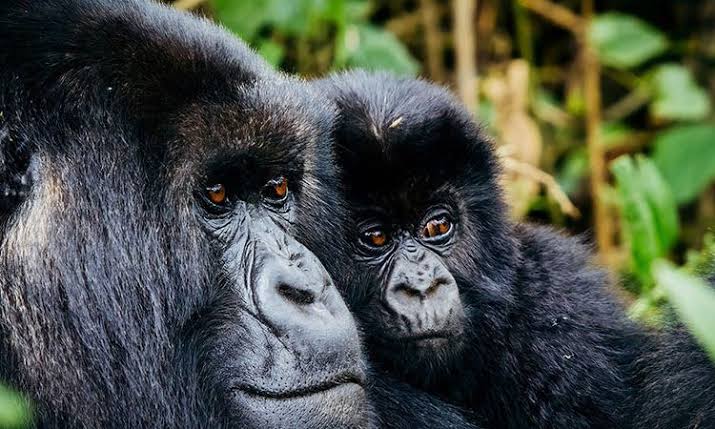
Visitors may see a silverback, adult females, juveniles and infants depending on the family. The gorillas may be feeding, resting, grooming or interacting. Young gorillas can be particularly playful.
The encounter is highly immersive because visitors are standing inside the same forest environment rather than watching from a vehicle. Guides interpret behavior and ensure that regulations are followed.
Responsible Gorilla Trekking
Mountain gorilla tourism is carefully controlled. Visitor numbers are limited through the permit system. Trekkers must follow distance and health guidelines.
Flash photography should not be used. Visitors must never touch gorillas. Food should not be consumed near the family.
Travelers who are seriously ill should report this before trekking. These measures help reduce disturbance and disease transmission.
Good to Know
Practical notes on timing, permits, routes and extensions for this safari.
What to Wear
Wear waterproof hiking boots with good traction. Long trousers and a long-sleeved shirt provide protection from vegetation. Gardening gloves are useful.
Long socks or gaiters can help keep insects and mud away from the lower legs. Carry a reliable rain jacket. Mountain weather is unpredictable, and rain can occur throughout the year.
What to Carry
Bring drinking water and a packed lunch. Carry sunscreen, insect repellent and essential medication. A small backpack is generally sufficient.
Photographers should keep equipment manageable. A porter can carry your pack and assist on difficult sections. Spare batteries, extra memory cards and waterproof equipment covers are highly recommended.
Fitness Requirements
A moderate level of fitness is beneficial. Visitors should be able to walk for several hours over uneven ground. Preparing through regular walking, hill climbing and stair exercise can improve comfort.
No one can predict exactly how difficult a particular trek will be because gorilla locations change daily. Travelers with physical concerns should discuss them with the safari planner before confirming the permit.
Returning After the Trek
After the gorilla encounter, visitors leave the forest and return to the trailhead. The next stage depends on the safari route. Those beginning from Kigali may return toward Rwanda.
Travelers continuing through Uganda may proceed toward Lake Bunyonyi, Lake Mutanda, Queen Elizabeth National Park or another destination. Those attempting to return all the way to Entebbe after trekking should be aware of the substantial distance involved.
Starting from Kigali
A two-day gorilla safari from Kigali works particularly well. Day one allows time to cross the border and reach the gorilla region without rushing. Day two includes the trek and return toward Rwanda.
This structure is significantly more comfortable than attempting a cross-border transfer before the morning trekking briefing.
Starting from Entebbe or Kampala
Road travel from Entebbe or Kampala is much longer. A two-day itinerary is possible only with very long driving days or carefully arranged flights and transfers. For most road travelers, three days provide a more reasonable schedule.
Domestic flights can make a shorter program considerably easier.
Best Time for the Safari
Gorilla trekking takes place throughout the year. June through September and December through February are generally drier. March to May and parts of October and November receive more rainfall.
The wetter periods can create muddy trails, but the gorilla experience remains available. Rainforest scenery is also exceptionally lush during these months.
Gorilla Permit Planning
Every participant requires a valid permit. Permits are limited and associated with specific trekking arrangements. They should be secured before non-refundable lodge arrangements are finalized.
Travelers should provide correct passport details and understand permit cancellation terms. Travel insurance is recommended.
Accommodation Categories
Travelers can choose budget, mid-range or luxury accommodation. Budget properties provide practical lodging close to the trekking region. Mid-range lodges generally offer en-suite rooms, good meals and comfortable facilities.
Luxury properties may add premium service, scenic locations and more elaborate rooms. Regardless of category, the correct location remains the most important factor.
Extending the Safari
One additional day can transform the itinerary. A three-day safari allows more time for Lake Bunyonyi, Lake Mutanda or a community experience. Longer journeys can add Queen Elizabeth National Park, Lake Mburo or Kibale.
The two-day itinerary works best when the main priority is simply gorilla trekking.
Why Choose the 2 Day Uganda Gorilla Trekking Safari?
The 2 Day Uganda Gorilla Trekking Safari offers an efficient way to experience one of Africa's most important wildlife encounters. By spending the first night close to the trekking headquarters, visitors avoid the pressure of arriving from a distant destination on trekking morning.
The safari is short, but with correct permit allocation, well-positioned accommodation and private transport, it provides enough time to experience Uganda's mountain gorillas properly.
What to Wear
Wear waterproof hiking boots with good traction. Long trousers and a long-sleeved shirt provide protection from vegetation. Gardening gloves are useful.
Long socks or gaiters can help keep insects and mud away from the lower legs. Carry a reliable rain jacket. Mountain weather is unpredictable, and rain can occur throughout the year.
What to Carry
Bring drinking water and a packed lunch. Carry sunscreen, insect repellent and essential medication. A small backpack is generally sufficient.
Photographers should keep equipment manageable. A porter can carry your pack and assist on difficult sections. Spare batteries, extra memory cards and waterproof equipment covers are highly recommended.
Fitness Requirements
A moderate level of fitness is beneficial. Visitors should be able to walk for several hours over uneven ground. Preparing through regular walking, hill climbing and stair exercise can improve comfort.
No one can predict exactly how difficult a particular trek will be because gorilla locations change daily. Travelers with physical concerns should discuss them with the safari planner before confirming the permit.
Returning After the Trek
After the gorilla encounter, visitors leave the forest and return to the trailhead. The next stage depends on the safari route. Those beginning from Kigali may return toward Rwanda.
Travelers continuing through Uganda may proceed toward Lake Bunyonyi, Lake Mutanda, Queen Elizabeth National Park or another destination. Those attempting to return all the way to Entebbe after trekking should be aware of the substantial distance involved.
Starting from Kigali
A two-day gorilla safari from Kigali works particularly well. Day one allows time to cross the border and reach the gorilla region without rushing. Day two includes the trek and return toward Rwanda.
This structure is significantly more comfortable than attempting a cross-border transfer before the morning trekking briefing.
Starting from Entebbe or Kampala
Road travel from Entebbe or Kampala is much longer. A two-day itinerary is possible only with very long driving days or carefully arranged flights and transfers. For most road travelers, three days provide a more reasonable schedule.
Domestic flights can make a shorter program considerably easier.
Best Time for the Safari
Gorilla trekking takes place throughout the year. June through September and December through February are generally drier. March to May and parts of October and November receive more rainfall.
The wetter periods can create muddy trails, but the gorilla experience remains available. Rainforest scenery is also exceptionally lush during these months.
Gorilla Permit Planning
Every participant requires a valid permit. Permits are limited and associated with specific trekking arrangements. They should be secured before non-refundable lodge arrangements are finalized.
Travelers should provide correct passport details and understand permit cancellation terms. Travel insurance is recommended.
Accommodation Categories
Travelers can choose budget, mid-range or luxury accommodation. Budget properties provide practical lodging close to the trekking region. Mid-range lodges generally offer en-suite rooms, good meals and comfortable facilities.
Luxury properties may add premium service, scenic locations and more elaborate rooms. Regardless of category, the correct location remains the most important factor.
Extending the Safari
One additional day can transform the itinerary. A three-day safari allows more time for Lake Bunyonyi, Lake Mutanda or a community experience. Longer journeys can add Queen Elizabeth National Park, Lake Mburo or Kibale.
The two-day itinerary works best when the main priority is simply gorilla trekking.
Why Choose the 2 Day Uganda Gorilla Trekking Safari?
The 2 Day Uganda Gorilla Trekking Safari offers an efficient way to experience one of Africa's most important wildlife encounters. By spending the first night close to the trekking headquarters, visitors avoid the pressure of arriving from a distant destination on trekking morning.
The safari is short, but with correct permit allocation, well-positioned accommodation and private transport, it provides enough time to experience Uganda's mountain gorillas properly.
Want to extend your safari?
Add chimpanzees, Queen Elizabeth, Lake Bunyonyi or a Rwanda extension — we tailor the journey to your dates.
Request a Quote
Tell us your dates, group size, and preferred lodge style — we will send a tailored quote for this safari.