
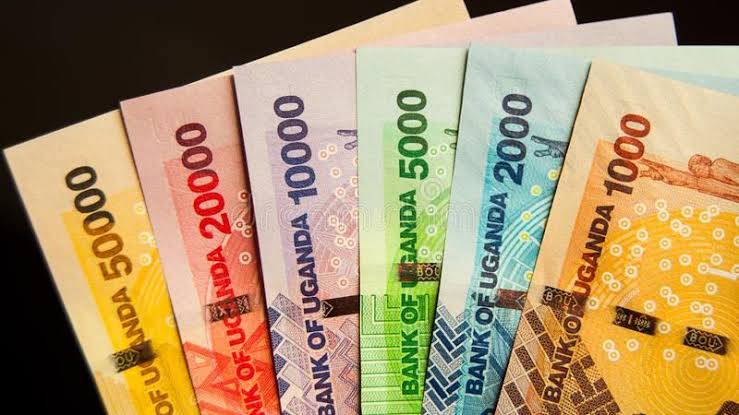
Understanding Uganda currency & money before arriving makes everyday safari expenses much easier to manage. Uganda's official currency is the Uganda shilling, commonly abbreviated as UGX. International travelers will nevertheless encounter both Uganda shillings and foreign currencies in the tourism industry, particularly when paying for safari packages, park activities and higher-value travel services.
For day-to-day expenses such as souvenirs, local shops, small tips and refreshments, Uganda shillings are generally the most practical option. Larger tourism services are commonly prepaid through tour operators before arrival.
Introduction
A sensible strategy is to travel with several payment options rather than depending entirely on cash or one bank card.
What Is the Currency of Uganda?
The official national currency is the Uganda shilling. Prices may be written as:
- UGX - Ush - USh
These all refer to Uganda shillings. Banknotes and coins are used for everyday transactions. Because exchange rates change continuously, travelers should check the current conversion shortly before travel rather than relying on an old figure from a guidebook.
Should You Bring Uganda Shillings From Home?
In most cases, travelers do not need to purchase large quantities of Uganda shillings before arriving. Foreign exchange facilities and ATMs are available in:
- Entebbe - Kampala - Larger regional towns
You can obtain local currency after arrival. However, it is useful to have a small amount of accessible cash soon after landing if you need to make minor purchases. Travelers on fully organized safaris normally have airport transfers prepaid, reducing the need for immediate cash.
US Dollars in Uganda
US dollars are widely recognized in Uganda's international tourism sector. Tour operators, some lodges and certain tourism services may quote prices in dollars. However, local purchases are generally easier in Uganda shillings.
If carrying US-dollar cash, bring notes that are:
- Clean - Undamaged - Free from writing - In good physical condition
Foreign exchange bureaus and businesses can be particular about accepting old or damaged banknotes.
Are Older US Dollar Notes Accepted?
Acceptance standards can vary considerably. Older or worn notes may receive a less favorable rate or be rejected. The safest approach is to bring relatively recent, clean notes. Large denominations can sometimes receive more favorable exchange rates than very small notes. However, small denominations are useful when foreign-currency tipping is appropriate. Do not bring your entire travel budget as cash.
Euros and British Pounds
Euros and British pounds can also be exchanged in major towns, although US dollars are commonly used in international safari pricing. Travelers arriving from Europe can exchange euros into Uganda shillings rather than converting everything to dollars first. Compare exchange rates and fees.
For organized safaris, ask your operator which currency is required for any outstanding payment before leaving home.
Uganda Shillings for Daily Expenses
Local currency is particularly convenient for:
- Shops - Restaurants - Markets - Crafts - Snacks - Local transport - Small tips - Personal purchases
You will usually receive better clarity in small transactions when paying directly in shillings rather than requesting a foreign-currency conversion.
Can You Use Credit Cards in Uganda?
Yes, cards are accepted at many:
- International hotels - Larger lodges - Restaurants - Supermarkets - Tourism businesses
Visa and Mastercard tend to be more widely accepted than less common card networks. However, card acceptance is not universal. Remote lodges and small businesses may be cash-based. Always carry backup cash.
Card Transaction Fees
Businesses may apply transaction or processing fees for card payments. Your own bank may also charge: - Foreign transaction fee - Currency conversion fee - ATM fee Before traveling, check your card's international fee structure. A travel card with low foreign-exchange fees can save money over a longer safari.
ATMs in Uganda
ATMs are available in major towns and cities. Travelers commonly find them in:
- Entebbe - Kampala - Fort Portal - Kabale - Mbarara - Other major towns
ATM availability becomes more limited in remote national parks. Do not wait until arriving deep inside Bwindi or another isolated destination before attempting to obtain all the cash you need. Withdraw money in a major town.
ATM Withdrawal Limits
Individual ATMs may impose limits per transaction. Your home bank can also have daily withdrawal limits. If you need a relatively large amount of shillings, you may have to make more than one transaction. Remember that each transaction may attract fees. Notify your bank of travel plans if required.
Mobile Money in Uganda
Mobile money is extremely important in Uganda's local economy. Services allow registered users to send, receive and pay money using mobile phones. International visitors may see mobile money agents almost everywhere.
However, tourists should not assume they need to create a local mobile-money account for an ordinary safari. Cash and cards are generally more practical for short-term visitors.
Exchange Bureaus
Foreign exchange bureaus are common in Kampala and Entebbe. Before exchanging cash:
- Check the displayed rate - Confirm whether commission applies - Count the money carefully - Use reputable businesses - Keep cash secure afterward
Airport exchange facilities may be convenient but may not always offer the most competitive rate.
Banks
Banks can also provide currency-related services. Opening hours may be more limited than exchange bureaus. For normal safari visitors, using a reputable exchange bureau or ATM is usually more convenient than visiting a bank branch.
How Much Cash Should You Carry?
The amount depends on how much of your safari is prepaid. If your package includes:
- Accommodation - Meals - Park fees - Transport - Gorilla permit - Activities
then your daily cash needs may be fairly modest. You mainly need money for:
- Tips - Drinks not included - Souvenirs - Laundry - Optional activities - Personal expenses
Avoid carrying excessive cash.
Money for Gorilla Trekking
The gorilla trekking permit should normally be arranged and paid before the safari. You should not arrive in Bwindi expecting to purchase an ordinary last-minute permit with cash at the trekking briefing. Your operator should confirm the permit in advance.
On trekking day, cash is mainly useful for:
- Porter - Tips - Souvenirs - Community activities
Hiring a Porter
Hiring a porter is highly recommended during gorilla trekking. The porter can carry your daypack and help on difficult slopes. This also provides direct income to people living around the gorilla conservation areas. Bring suitable cash for the service and an optional tip. Ask your safari guide for current local guidance before the trek.
Tipping in Uganda
Tipping is appreciated but should remain voluntary. Travelers commonly consider tipping:
- Safari driver-guide - Gorilla porter - Ranger guide - Lodge team - Boat guide - Activity staff
There is no single compulsory amount. Group size, trip duration and quality of service should influence the decision.
Should You Tip in Dollars or Shillings?
Both may be useful, depending on the recipient and amount. Uganda shillings are immediately practical for local spending. Foreign currency may be suitable for larger tips if the note is easily exchangeable. Ask your guide if uncertain. Avoid giving coins from foreign currencies because these are difficult to exchange.
Paying for Souvenirs
Craft markets and community shops commonly accept Uganda shillings. Some tourist-focused shops may quote in dollars. If negotiating a price, make sure everyone is discussing the same currency. Supporting locally made crafts is a good way to direct safari spending toward communities.
Paying at Safari Lodges
Lodge payment policies vary.
- Cash - Visa - Mastercard - Mobile payments - Bank transfers
Remote properties may experience temporary connectivity problems, making card payments unreliable. If an important bill has not been prepaid, confirm the accepted payment method before arriving.
Are Traveler's Cheques Useful?
Traveler's cheques are no longer a practical payment method for most visitors. Cards, cash and electronic transfers have largely replaced them. Do not rely on traveleru2019s cheques during a Uganda safari.
Paying Your Safari Operator
Most travelers pay major safari costs before arrival using:
- Bank transfer - Card payment - Approved online payment platform
Payment terms vary by operator. A deposit may be required to secure:
- Gorilla permits - Accommodation - Vehicle - Domestic flights
The remaining balance is then paid according to the booking conditions. Read the payment and cancellation policy carefully before confirming.
Currency Exchange Rate Changes
Exchange rates fluctuate every day. If your safari is priced in US dollars but your income or bank account is in euros, pounds, Australian dollars or another currency, the final home-currency cost can change between booking and payment. For expensive safaris, exchange-rate movements can be noticeable.
Budget a small margin for currency fluctuations.
Keeping Cash Safe
Use common-sense precautions. Do not display large amounts of money publicly. Divide cash between secure locations. Use a hotel or lodge safe when available. Carry only what you reasonably expect to spend during the day. Keep emergency backup money separate from your normal wallet.
Protecting Bank Cards
Travel with at least two payment cards if possible. Keep them separately. This provides backup if one card is: - Lost - Blocked - Damaged - Retained by an ATM Save your bank's international contact information offline. Modern banking apps can also help monitor transactions.
Inform Your Bank
Some financial institutions automatically identify international transactions, while others may block unexpected spending. Check your bank's procedure before departure. Make sure your phone number and security methods will still work abroad if card verification is required.
Avoiding Dynamic Currency Conversion
Some card terminals or ATMs may offer to charge you in your home currency instead of Uganda shillings. This is called dynamic currency conversion. The displayed option may seem convenient, but the exchange rate can be less favorable. Review the rate carefully before accepting.
Budgeting for Meals
On organized safaris, many meals are already included. Your itinerary may specify:
- Bed and breakfast - Half board - Full board
Check this before calculating spending money. Drinks, especially alcoholic beverages, may be excluded even when meals are included.
Budgeting for Optional Activities
Potential additional expenses include:
- Cultural visits - Nature walks - Additional boat trips - Massage or spa treatments - Laundry - Extra drinks - Souvenirs
Ask whether an optional activity can be paid by card or needs cash.
Money at Borders
Travelers combining Uganda and Rwanda should carry the correct documents and consider currency differences. Uganda uses Uganda shillings. Rwanda uses Rwandan francs. You do not need large amounts of both currencies before the trip. Obtain local cash as you enter each destination or use accepted cards where practical.
Uganda Money Checklist
Before your safari:
- - Bring at least two payment methods - Carry some clean foreign currency - Obtain Uganda shillings for local spending - Check card foreign-exchange fees - Know your ATM withdrawal limit - Notify your bank if necessary - Keep emergency cash separately - Confirm safari balance payment terms - Budget for tips - Avoid carrying excessive cash
Practical Uganda Currency & Money Advice
Managing Uganda currency & money is straightforward when your major safari costs have been prepaid. Use Uganda shillings for everyday transactions, carry a modest amount of clean foreign currency as backup and keep at least one reliable bank card available.
Do not depend entirely on ATMs in remote destinations. Obtain cash in Entebbe, Kampala or another major town before heading deep into national parks.
Most importantly, clarify your safari inclusions before traveling. When accommodation, transport, permits, activities and most meals have already been paid, you need relatively little spending money during the journey.
That leaves you free to concentrate on the experience itselfu2014gorilla trekking in Bwindi, chimpanzee tracking in Kibale, wildlife viewing in Queen Elizabeth and discovering Uganda without worrying constantly about payment logistics.