
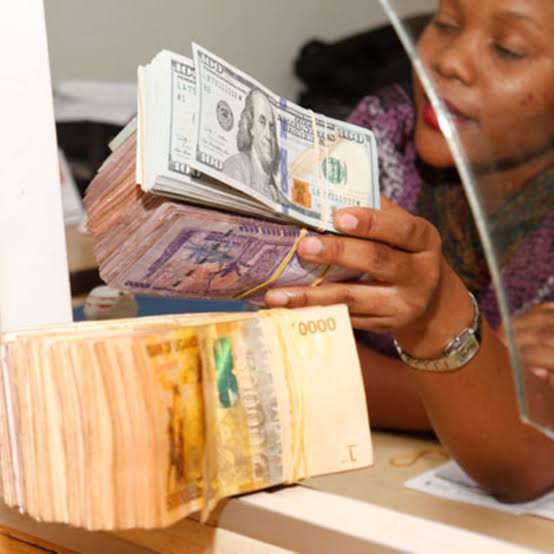
Typical daily safari rates
Quick reference for 2026 planning — excludes gorilla permits, flights, and one-off park fees unless noted in your quote.
Budget
USD 180–450
per person / day
View pricing guideMidrange
USD 450–900
per person / day
View pricing guideLuxury
USD 900–2,500+
per person / day
View pricing guideFly-in
USD 2,000–5,000+
per person / day
View pricing guideThe Uganda safari cost depends on the length of your trip, accommodation category, number of travelers, activities, transport style and the national parks included in your itinerary. A short gorilla trekking safari can cost considerably less than a two-week private journey combining mountain gorillas, chimpanzees, game drives, boat cruises and domestic flights.
Uganda is particularly attractive because travelers can choose from budget, mid-range and luxury safari options while experiencing many of East Africa’s headline attractions. The country offers mountain gorillas in Bwindi and Mgahinga, chimpanzees in Kibale, traditional game viewing in Queen Elizabeth and Murchison Falls, and specialist experiences such as birding and gorilla habituation.
Introduction
Understanding where the money goes makes it much easier to establish a realistic safari budget.
How Much Does a Uganda Safari Cost?
There is no single fixed price for a Uganda safari. As a broad planning guide, travelers can expect private safari costs to fall into three general categories:
– Budget: approximately USD 200–350 per person per day – Mid-range: approximately USD 350–600 per person per day – Luxury: approximately USD 600–1,200+ per person per day
These are planning ranges rather than fixed quotations. Gorilla permits, domestic flights, premium lodges, private activities and single-traveler supplements can push the daily average higher. A customized quotation should always be prepared using the exact dates, number of travelers and selected services.
What Is Included in a Uganda Safari Price?
A professionally organized Uganda safari commonly includes many of the major ground expenses. Depending on the itinerary, the package may include:
– Private safari vehicle – Professional English-speaking driver-guide – Fuel – Airport transfers – Accommodation – Meals specified in the itinerary – National park entrance fees – Game drives – Boat safaris – Gorilla permits where listed – Chimpanzee permits where listed – Drinking water in the safari vehicle
Always read the quotation carefully. Two safari prices can appear very different simply because one includes permits and park activities while the other does not.
Gorilla Permits and Uganda Safari Cost
For most gorilla-focused travelers, the gorilla permit is one of the largest fixed components of the budget.
Uganda Wildlife Authority sets official conservation tariffs and periodically updates them, so travelers should use the tariff applicable to their trekking dates rather than relying on older online prices. UWA’s current rates page specifically directs travelers to its tariff changes for 2026–2027.
A gorilla permit covers the regulated trekking experience rather than transportation to Bwindi, accommodation or the rest of your safari. Because permits are limited, availability can also influence the dates and therefore the cost of the wider trip.
Gorilla Habituation Cost
Uganda also offers the Gorilla Habituation Experience in designated areas of Bwindi. This is different from standard gorilla trekking because visitors spend an extended period with a gorilla family undergoing the habituation process. The permit is more expensive than a standard trekking permit.
The experience is particularly attractive to wildlife photographers and travelers who want a deeper primate-focused itinerary. Adding gorilla habituation therefore increases the overall Uganda safari cost but can provide a substantially different experience.
Chimpanzee Tracking Costs
Many Uganda itineraries also include chimpanzee tracking, particularly in Kibale National Park. Chimpanzee permits are another fixed safari expense. Travelers may also choose the chimpanzee habituation experience where available.
A classic Uganda primate itinerary combining chimpanzees and gorillas will therefore have a higher activity cost than a safari containing only ordinary game drives. However, it also provides two of Africa’s most significant primate encounters within the same trip.
Accommodation and Safari Budget
Accommodation can be one of the largest variables in Uganda safari pricing.
Budget Accommodation
Budget lodges generally provide simple private rooms, basic amenities and meals in practical locations. They are ideal for travelers who prioritize wildlife activities over luxury facilities.
Mid-range Accommodation
Mid-range properties offer more comfort, better locations and generally higher levels of service. This is often the most popular safari category because it balances comfort and price effectively.
Luxury Accommodation
Luxury lodges may feature: – Premium suites – Exceptional views – High staff-to-guest ratios – Fine dining – Private terraces – Spa services – Exclusive locations In gorilla trekking regions, high-end lodge rates can form a substantial part of the total safari budget.
Private vs Group Safari Cost
Private safaris generally cost more per person when only one or two travelers are sharing the vehicle. The reason is simple: the vehicle, fuel and guide costs are divided among fewer people. For four or six travelers sharing one safari vehicle, the per-person cost usually decreases.
A private safari also provides significant advantages:
– Flexible stops – Private guide – Better photography opportunities – Customized pacing – More luggage flexibility – Personal route planning
For couples and families, the additional flexibility is often worth the difference.
Solo Traveler Costs
Solo travelers usually pay more per person because they carry the full vehicle and guide cost and may also pay single-room supplements. A solo safari can still be worthwhile for travelers who value privacy. To reduce costs, solo guests can consider:
– Joining scheduled departures – Choosing mid-range rather than luxury lodges – Using road transport instead of domestic flights – Limiting the number of destinations – Traveling in lower-demand periods
Road Safari vs Fly-In Safari
Road transport is usually more economical. A private 4×4 vehicle gives travelers the opportunity to see Uganda’s countryside and stop along the way. Domestic flights can substantially reduce travel time, particularly between Entebbe and remote gorilla trekking areas.
However, flights add:
– Airfare – Airstrip transfers – Possible luggage limitations – Additional ground transport at destination
Luxury travelers often combine road and air transport to reduce long driving days.
National Park Fees
Uganda Wildlife Authority charges entrance and activity fees for protected areas. These can include:
– Park entrance – Vehicle entrance – Boat cruises – Guided walks – Wildlife tracking – Specialist activities
The exact cost depends on residency category and activity. A professionally quoted safari should clearly state whether park fees are included.
Boat Safari Costs
Boat safaris are among Uganda’s most rewarding activities. Popular examples include:
– Kazinga Channel in Queen Elizabeth National Park – Victoria Nile in Murchison Falls National Park
Standard shared boat cruises are generally more affordable than private boat arrangements. Private boats can be worthwhile for photographers, families and honeymoon travelers who want greater flexibility.
How Trip Length Affects Cost
Longer safaris naturally cost more in total, but the average daily cost may fall because expensive fixed items such as gorilla permits are spread across more days. For example, a three-day gorilla safari can have a relatively high daily average because the permit makes up a large percentage of the trip price.
A ten-day safari including gorillas, chimpanzees and game viewing distributes this fixed expense across more days.
Typical 3-Day Uganda Gorilla Safari Budget
A three-day gorilla trekking trip commonly includes:
– Airport or hotel pickup – Road transfer to Bwindi – Two nights accommodation – Meals – Gorilla permit – Driver-guide – Vehicle and fuel – Return transfer
The final cost depends heavily on lodging category and whether the journey begins in Entebbe, Kigali or another location.
Typical 7-Day Uganda Safari
A one-week trip may combine:
– Queen Elizabeth National Park – Bwindi Impenetrable National Park – Lake Mburo National Park
Alternatively, it may include Kibale for chimpanzees. A seven-day trip allows travelers to experience more variety without the cost of a very long itinerary.
Typical 10–14 Day Uganda Safari
A longer itinerary can combine:
– Murchison Falls – Kibale – Queen Elizabeth – Bwindi – Lake Mburo
This provides one of Uganda’s strongest combinations of primates, savannah wildlife and boat safaris. Although the total price is higher, the value per day can be excellent because transportation is used more efficiently across a complete safari circuit.
Seasonal Differences in Uganda Safari Prices
Travel demand changes through the year. The drier periods from June to September and December to February tend to be popular. Some lodges may offer better rates during wetter shoulder seasons.
However, permits and government conservation fees are governed separately and should not automatically be expected to decrease in low season. Travelers seeking value should ask about lodge promotions rather than assuming every component becomes cheaper.
Budget Uganda Safari
A budget safari does not have to mean sacrificing wildlife experiences. Gorilla trekking is fundamentally the same forest encounter regardless of whether you sleep in a basic lodge or an expensive luxury property. Budget travelers can reduce costs by choosing:
– Simple accommodation – Road transport – Shared activities – Fewer premium extras – Logical routing
The greatest savings usually come from accommodation and transportation rather than trying to reduce essential conservation fees.
Mid-range Uganda Safari
For many travelers, mid-range offers the best balance. A mid-range safari generally includes:
– Comfortable en-suite lodge rooms – Good meals – Private safari vehicle – Professional guide – Major activities – Well-located accommodation
This category is particularly suitable for couples and first-time visitors who want comfort without the premium charged by high-end properties.
Luxury Uganda Safari
Luxury safari prices vary widely. A premium itinerary may include:
– High-end gorilla lodge – Fly-in transfers – Private boats – Exclusive activities – Premium suites – Personalized dining – Private guiding
Luxury is especially valuable when travelers have limited time and want to minimize long road journeys.
International Flights
International airfare is normally excluded from safari ground quotations unless specifically stated. Flight cost depends on:
– Origin – Season – Airline – Booking time – Cabin class
Travelers should avoid purchasing non-refundable flights until the key safari arrangements and gorilla permit availability have been confirmed.
Visa, Insurance and Personal Expenses
Additional expenses may include:
– Uganda visa – Travel insurance – Vaccinations – Tips – Laundry – Alcoholic drinks – Souvenirs – Optional activities – Personal purchases
These should be included in the overall travel budget even when they are not part of the safari quotation.
Tipping Budget
Tipping is voluntary but customary within the safari industry. Travelers may choose to tip:
– Driver-guide – Gorilla trekking porter – Ranger guides – Lodge staff – Activity guides
Carry some small-denomination cash for these expenses.
How to Reduce Uganda Safari Cost
Travelers can control their budget without compromising the core experience.
1. Traveling with two or more companions. 2. Choosing mid-range or budget lodging. 3. Using road transfers. 4. Following a logical geographic route. 5. Limiting one-night stops. 6. Traveling during shoulder periods. 7. Booking early. 8. Selecting only activities that genuinely interest you.
Good itinerary design often saves more money than simply choosing the cheapest lodge.
Request an Accurate Uganda Safari Quote
The most accurate Uganda safari cost is always based on your specific trip. A useful quotation request should include:
– Travel dates – Number of travelers – Number of days – Preferred accommodation level – Gorilla trekking interest – Chimpanzee interest – Parks you want to visit – Road or fly-in preference
Uganda can work for a surprisingly wide range of budgets. Whether you choose a compact three-day gorilla trek or a two-week private safari through the country’s major parks, the key is to understand what is included and spend the budget on the experiences that matter most to you.