
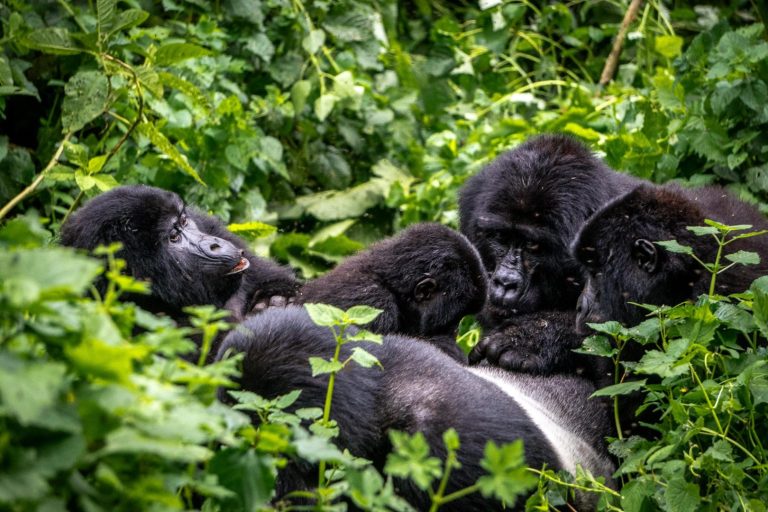
Gorilla Trekking in Uganda: Complete Travel Guide
Gorilla trekking in Uganda offers travelers the opportunity to enter some of Africa's most spectacular mountain rainforest and encounter habituated mountain gorilla families in their natural habitat. Uganda is one of the world's most important destinations for mountain gorilla conservation and tourism.
However, one of Uganda's greatest advantages is that the journey does not need to end with gorillas.
Travelers can combine the trek with chimpanzee tracking, traditional wildlife safaris, boat trips, birding and other experiences, making Uganda particularly attractive for visitors seeking a complete primate and wildlife itinerary.Where to See Gorillas in Uganda
Bwindi Impenetrable National Park
Bwindi is Uganda's principal gorilla trekking destination. The national park protects a mountainous rainforest with exceptional biodiversity. The park includes different trekking areas, meaning travelers need to pay close attention to the location associated with their gorilla permit. Accommodation should be selected accordingly. This is one of the most important logistical considerations when planning a Bwindi safari.
Mgahinga Gorilla National Park
Mgahinga is situated within Uganda's section of the Virunga landscape. The park's scenery is dominated by volcanic mountains and montane vegetation. Although smaller than Bwindi, Mgahinga provides another highly rewarding mountain gorilla experience. It can also appeal to travelers interested in combining gorilla trekking with golden monkey tracking and volcanic scenery.
Why Choose Uganda for Gorilla Trekking?
Uganda has several major advantages for gorilla travelers. The first is the ability to combine gorillas with a wide variety of additional activities.
What Happens on a Uganda Gorilla Trek?
Your trekking day normally begins early in the morning. You travel from your lodge to the appropriate park briefing point. Park staff and rangers provide instructions covering trekking procedures, wildlife behavior and conservation regulations.
Visitors are then organized into trekking groups and allocated to a habituated gorilla family. Professional guides, trackers and rangers lead the group into the forest. The exact trekking duration cannot be predicted.
Gorillas move naturally throughout their habitat, and their position changes from day to day. Some visitors may walk for a relatively short period. Others may trek for several hours.
Once the family is located, visitors enjoy a regulated period of observation according to the conditions of the standard permit and current park regulations.
What Are the Gorilla Families Like?
Mountain gorillas live in social groups. A family may include a dominant silverback, adult females, younger males, juveniles and infants. The exact composition varies between groups.
Juveniles can be energetic and curious. Because these are wild animals, every encounter is different. Visitors should never attempt to provoke interaction. The best experience comes from observing natural behavior quietly.
Gorilla Trekking Permits in Uganda
An official permit is required to trek mountain gorillas. Permits are issued for specific dates and controlled numbers of visitors. Availability can become limited, particularly during popular travel periods.
Your lodge needs to be located within practical reach of the correct briefing point. For this reason, permit planning should normally happen before final accommodation arrangements are confirmed.
How Much Does Uganda Gorilla Trekking Cost?
The overall safari cost depends on much more than the permit. Important expenses may include: Gorilla trekking permit. Private safari vehicle. Professional driver-guide. National park activities. Airport transfers. Domestic flights where used. Chimpanzee or other permits on longer itineraries.
The accommodation category makes a substantial difference. Budget travelers can use simpler lodges. Mid-range safaris provide comfortable accommodation at moderate cost.
Luxury journeys may feature high-end forest lodges and domestic flights. When requesting a safari quote, make sure you understand all inclusions and exclusions.
Best Time for Gorilla Trekking in Uganda
Uganda gorilla trekking is available throughout the year. Relatively drier periods are popular because forest trails may be easier to walk. However, Bwindi and Mgahinga are mountain rainforest environments.
Rain can occur at any time. Travel during wetter periods remains completely possible. The forest can look particularly lush and visitor levels may vary.
Rather than selecting dates based only on weather, consider your complete Uganda itinerary. Wildlife parks, international flights, accommodation availability and personal schedule should also influence your decision.
How Difficult Is Gorilla Trekking in Uganda?
Difficulty varies considerably between trekking days. Bwindi's name gives some indication of its terrain: this is a dense, mountainous forest. Some routes involve significant climbing and descending.
Rain can make trails muddy and slippery. Vegetation may also make certain sections challenging. However, travelers of many ages and fitness levels successfully complete gorilla treks.
Preparation helps. Regular walking, hill climbing and basic cardiovascular exercise before departure can make the trek more comfortable. Travelers with concerns about mobility should discuss them during planning and again with park staff where appropriate.
Should You Hire a Porter?
Yes, we generally recommend hiring a porter. A porter can carry your bag, water and camera equipment. They can also provide a steady hand on steep slopes or slippery trails.
What to Wear for Gorilla Trekking
Wear clothing suitable for tropical forest trekking. Long trousers help protect your legs from vegetation. A long-sleeved shirt provides additional protection.
Sturdy hiking boots with good grip are preferable to casual footwear. Carry lightweight rain protection because conditions can change quickly. Gardening-style gloves can help when you need to steady yourself against vegetation.
Gaiters may also be useful, especially during wet conditions. Avoid carrying unnecessary equipment. A lighter daypack is easier to manage on steep terrain.
Gorilla Trekking Photography
Gorilla photography can be extraordinary, but visitors should prioritize the animals and the instructions of rangers. Flash photography is generally prohibited. Make sure you understand your camera before entering the forest.
Changing complicated settings while gorillas are directly in front of you can waste valuable observation time. Carry spare batteries and enough memory. A moderate zoom can be useful, although gorillas may sometimes be relatively close.
Never move away from your assigned group simply to obtain a different camera angle.
Uganda Gorilla Trekking Rules
Park regulations protect both gorillas and visitors. Always listen to ranger instructions. Do not touch the gorillas. Do not feed wildlife. Avoid unnecessary noise. Follow instructions about viewing distance and positioning.
If a gorilla moves closer, remain calm and follow your ranger rather than attempting to interact with it. Health precautions are particularly important because gorillas can be vulnerable to some human illnesses. Travelers who are significantly unwell should inform the appropriate authorities.
Combining Gorillas With Queen Elizabeth National Park
Queen Elizabeth National Park is a popular addition to a Bwindi itinerary. The park provides classic savannah wildlife experiences, including game drives and boat trips. Depending on sightings, travelers may encounter elephants, buffaloes, hippos, antelopes, lions and numerous bird species.
Combining Gorillas With Chimpanzees
Kibale National Park is one of Uganda's leading chimpanzee trekking destinations. Combining Kibale with Bwindi creates a strong primate-focused itinerary. The two encounters are completely different.
Chimpanzees can be fast-moving, vocal and highly active. Gorillas are often observed in a more settled family environment. Travelers interested in primates should strongly consider experiencing both.
Getting to Uganda's Gorilla Parks
Most travelers access Bwindi and Mgahinga by road or domestic flight. Road safaris offer the advantage of seeing rural Uganda and combining the gorilla parks with other destinations. However, travel distances can be substantial.
Domestic flights can reduce transfer times on selected itineraries. Some travelers also access southwestern Uganda through Rwanda, depending on their wider route and current cross-border requirements. The best option depends on your international flights, available time and safari budget.
How Many Days Do You Need?
A short Uganda gorilla safari may require only a few days. However, travelers who have additional time should consider a more relaxed itinerary. Adding extra days allows you to enjoy the forest region rather than simply arriving, trekking and immediately departing.
Seven days or more creates opportunities to include chimpanzees or wildlife parks. Longer journeys can provide a comprehensive introduction to Uganda.
Plan Gorilla Trekking in Uganda
Begin planning by deciding when you want to travel and how many days you have available. Your gorilla permit should then be coordinated with the appropriate trekking area, accommodation and transportation. From there, additional destinations can be added according to your interests.