
Gorilla Trekking Rules in Uganda and Rwanda
Gorilla trekking rules exist primarily to protect mountain gorillas and maintain safe, responsible encounters between people and one of the world's rarest great apes.
Follow Ranger Instructions
The most important rule is to listen to your ranger. The most important rule is to listen to your ranger. Rangers and trackers understand the animals, forest and current conditions.
Do not ignore instructions simply because you have trekked gorillas previously. Rules and local circumstances can change. Your guide is responsible for helping manage the encounter.
Minimum Age
Uganda Wildlife Authority states that gorilla trackers must be at least 15 years old, and Visit Rwanda publishes the same minimum age for Volcanoes National Park.
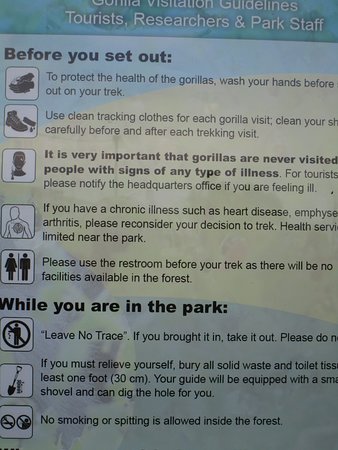
Do Not Trek if You Are Sick
Visitors affected by infectious illness can pose a health risk to great apes. Visitors affected by infectious illness can pose a health risk to great apes. Uganda's official published rules state that people with a cold or other infectious illness should not visit the gorillas.
Never hide illness simply because a permit is expensive. Gorilla health comes first.
Maintain the Required Distance
Uganda's published gorilla rules specify a 10-metre distance. Uganda's published gorilla rules specify a 10-metre distance. Visitors should follow the exact guidance provided during their current trek because procedures may be revised.
If a gorilla approaches on its own, remain calm. Do not attempt to touch it. Follow ranger instructions.
Do Not Touch Gorillas
Stay Together
Do not leave the group to search for a better photography angle. Do not leave the group to search for a better photography angle. Moving independently can create unnecessary risk and disturbance. Stay where the ranger directs you. A slightly imperfect photograph is preferable to breaking conservation rules.
Keep Your Voice Low
Quiet behavior reduces disturbance and helps create a calmer encounter. Quiet behavior reduces disturbance and helps create a calmer encounter. There may be moments when gorillas vocalize loudly or move quickly.
Visitors should resist the temptation to respond with shouting or excited movement. Allow natural behavior to continue.
Do Not Use Flash
Flash photography is prohibited under Uganda's published gorilla tracking rules. Flash photography is prohibited under Uganda's published gorilla tracking rules. Disable automatic flash before approaching the gorillas.
This is especially important with smartphones or compact cameras that may activate flash automatically in low light.
Do Not Eat Near Gorillas
Uganda's published rules prohibit eating and drinking during the gorilla viewing encounter. Uganda's published rules prohibit eating and drinking during the gorilla viewing encounter. Food can create unnecessary risk and disturbance.
Follow your ranger's instructions regarding suitable break locations.
Do Not Smoke
Smoking is not permitted during the gorilla encounter under the published Uganda rules. Smoking is not permitted during the gorilla encounter under the published Uganda rules. The forest is a protected wildlife environment.
Visitors should respect both animal health and habitat.
Coughing and Sneezing
If you need to cough or sneeze, turn away and cover your face according to the guidance provided by rangers. If you need to cough or sneeze, turn away and cover your face according to the guidance provided by rangers.
Uganda's published rules specifically highlight this because gorillas can contract respiratory illnesses from humans.
Viewing Time
Standard gorilla trekking provides a regulated viewing period. Standard gorilla trekking provides a regulated viewing period. Uganda's published rules state that visits are limited to one hour with a gorilla group.
Visitors should therefore manage photography efficiently and also spend time simply observing. Do not attempt to remain beyond the official period.
Do Not Litter
Everything taken into the forest should be removed according to park instructions. Everything taken into the forest should be removed according to park instructions. Camera packaging. Uganda's official rules explicitly prohibit littering in the forest.
Toilet Emergencies
If you need to relieve yourself in the forest, inform your guide. If you need to relieve yourself in the forest, inform your guide. Official procedures exist to prevent contamination.
Uganda's published rules specify burial requirements for human waste. Never simply walk away from the group and leave waste exposed.
Do Not Feed Gorillas
Feeding wildlife is inappropriate. Feeding wildlife is inappropriate. It changes natural behavior and creates health concerns. Gorillas should obtain food naturally from their forest habitat. Visitors are observers.
Do Not Mimic Gorilla Behavior
Do not beat your chest at a silverback for entertainment. Do not beat your chest at a silverback for entertainment. Do not attempt to imitate vocalizations. You may misunderstand the meaning of the behavior and create unnecessary disturbance. Allow guides to interpret what you see.
Do Not Run
If a gorilla displays or approaches, do not panic and run. If a gorilla displays or approaches, do not panic and run. Follow the ranger's directions. Sudden movement can complicate the situation. Professional guides understand the behavior and will tell you what to do.
Photography Rules
Photography is welcome within official guidance, but obtaining a picture never justifies breaking other rules. Photography is welcome within official guidance, but obtaining a picture never justifies breaking other rules. Remain with the group.
Do not push closer. Do not block another visitor. Respect the gorillas' space.
Respect Other Trekkers
Follow Trail Instructions
The rules begin before you reach the gorillas. The rules begin before you reach the gorillas. Stay with the trekking party. Listen to guides. Do not wander into the forest. Walk carefully on steep terrain. Your safety and conservation responsibilities apply throughout the activity.
Respect Vegetation
Do not deliberately damage plants. Do not deliberately damage plants. Some vegetation may need to be managed by trackers for access according to park procedures, but visitors should not independently cut or destroy forest habitat.
This is a protected ecosystem.
Keep Your Permit Arrangements Legitimate
Health Rules Are Conservation Rules
Visitors sometimes think the rules primarily protect them from gorillas. Visitors sometimes think the rules primarily protect them from gorillas. Many actually protect the gorillas from humans.
Disease transmission is a serious concern. That is why visitor health, distance and controlled numbers matter. Understanding this helps travelers appreciate why seemingly strict instructions exist.
Rules in Uganda
Uganda Wildlife Authority manages trekking in Bwindi and Mgahinga. Uganda Wildlife Authority manages trekking in Bwindi and Mgahinga. Its published guidance covers minimum age, visitor numbers, health, distance, photography, food, waste and viewing time.
Visitors should still listen to the current briefing because procedures can be updated.
Rules in Rwanda
Rwanda's gorilla trekking takes place in Volcanoes National Park. Rwanda's gorilla trekking takes place in Volcanoes National Park. Visit Rwanda provides visitor preparation information and emphasizes responsible behavior and physical distance around gorillas.
Again, current park instructions should take priority on trekking day.
Why Rules Sometimes Change
Conservation management evolves. Conservation management evolves. Research may improve understanding of disease risks or visitor impacts. Wildlife authorities may therefore revise procedures. Travelers should avoid arguing that a rule was different during a previous trip. Follow the current instruction.
Gorilla Habituation Rules
Specialized gorilla habituation experiences may have procedures that differ from standard trekking. Specialized gorilla habituation experiences may have procedures that differ from standard trekking. Do not assume a different permit allows unrestricted behavior.
The same core principles of distance, health, respect and ranger supervision remain fundamental. Follow the rules associated with the exact activity purchased.
Rules for Children and Teenagers
Eligible teenagers must follow the same rules as adults. Eligible teenagers must follow the same rules as adults. Parents should explain expectations beforehand. The trek is not a playground. A teenager needs to remain controlled around wildlife and cope with the physical activity.
Rules for Photographers
Professional-looking equipment does not grant special access. Professional-looking equipment does not grant special access. Photographers should not pressure rangers for closer positions. Do not use flash. Carry only equipment you can manage. The gorilla family's welfare takes priority over the image.
Rules for Luxury Travelers
Paying for premium accommodation does not change the trekking regulations. Paying for premium accommodation does not change the trekking regulations. A luxury guest receives the same conservation restrictions as other visitors.
This is an important part of responsible wildlife management.
Rules for Groups
A private safari group may still join official trekking arrangements governed by permit and group-size regulations. A private safari group may still join official trekking arrangements governed by permit and group-size regulations.
Having a private vehicle outside the park does not mean your party receives unrestricted private access to gorillas.
What Happens if Rules Are Ignored?
Wildlife authorities and rangers are responsible for enforcing park regulations. Wildlife authorities and rangers are responsible for enforcing park regulations. Breaking rules can jeopardize both the individual experience and gorilla welfare.
Visitors should not test how strictly rules will be enforced. Responsible travelers follow instructions voluntarily.
How to Prepare for the Rules
Before travel, understand the basic principles: Before travel, understand the basic principles: Be healthy enough to trek. Respect distance. No food around gorillas. Follow the ranger. That simple foundation prepares you for the official briefing.
Why the Rules Improve the Experience
Restrictions actually help preserve the quality of gorilla trekking. Restrictions actually help preserve the quality of gorilla trekking. Controlled groups create intimate encounters.
Limited viewing time reduces pressure. Distance encourages observation of natural behavior. Professional supervision keeps the experience organized. Without rules, gorilla tourism could quickly become chaotic and harmful.
Responsible Gorilla Trekking
The best visitors understand that entering the forest is a privilege. The best visitors understand that entering the forest is a privilege. You are visiting the gorillas' habitat. They are not entering yours. Responsible behavior means accepting limits and appreciating why they exist.
Remember the Current Briefing Comes First
Online guides are useful preparation, but official regulations may change. Online guides are useful preparation, but official regulations may change. Always listen to the park staff on your actual trekking date.