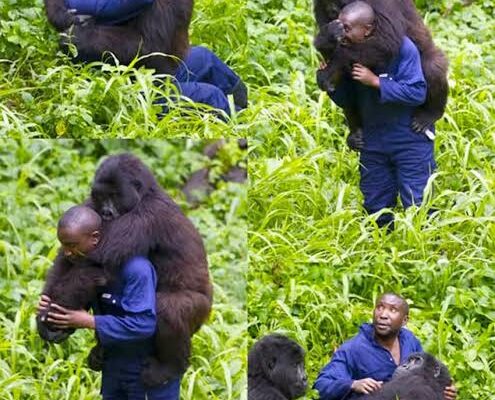
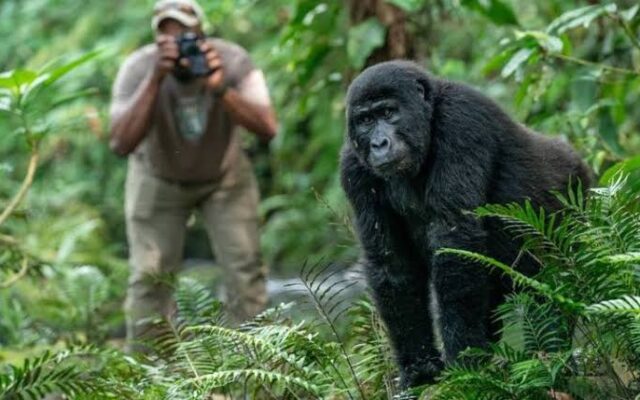
One of the strangest moments during a gorilla trekking briefing comes when visitors are told that they must keep their distance from the animals. After hiking for hours to see mountain gorillas, everyone naturally wants to get as close as possible. But distance is not simply about preventing a gorilla from hurting a tourist. It is also about preventing tourists from hurting gorillas.
Mountain gorillas are biologically close to humans. That similarity is part of what makes watching them so captivating. Their hands, facial expressions, social relationships and movements can sometimes seem remarkably familiar. Unfortunately, biological similarity also creates vulnerability. Some infectious agents that affect humans can potentially affect other great apes.
Introduction
This is why humans can make gorillas sick and why health precautions are taken so seriously during gorilla trekking in Uganda.
Gorillas and Humans Are Closely Related Primates
Humans and gorillas share an evolutionary history. We are both primates and share many physiological similarities. These similarities are obvious when you watch a mountain gorilla closely. Their fingers grip vegetation in a familiar way. Mothers cradle infants.
Individuals groom one another. Youngsters play. Adults communicate using posture, vocalization and facial expression. The similarities extend far deeper than visible behavior. Our shared biology means some pathogens can potentially cross between humans and gorillas.
This process is known as zoonotic or reverse-zoonotic disease transmission depending on the direction in which infection moves. For gorilla tourism, the important point is straightforward: people can introduce health risks into gorilla habitat.
Why Tourism Creates a Special Risk
Wild mountain gorillas living in remote forests would ordinarily have relatively limited contact with people. Tourism changes that. Habituated gorilla families can encounter small groups of visitors regularly. Each traveler potentially brings microorganisms acquired from their home country, airports, airplanes, cities, hotels and other people encountered during their journey. Most visitors are perfectly healthy.
But people can sometimes carry infections before symptoms become obvious. Others may consider a mild cold insignificant and continue traveling. To a small wild primate population, however, infectious disease can be more consequential. This is why gorilla tourism must be carefully controlled.
Respiratory Infections Are an Important Concern
Respiratory illness receives particular attention in great ape conservation. Humans frequently experience coughs, colds and other respiratory infections. Transmission can occur through respiratory droplets, close contact and contaminated material, depending on the pathogen involved. A tourist coughing near a gorilla is therefore not simply being impolite. They may be creating a biological risk.
For this reason, trekkers are instructed to follow health precautions and maintain distance from gorillas whenever circumstances allow. These measures reduce, although they cannot completely eliminate, the possibility of transmission.
Why Distance Matters
Distance creates a buffer. The farther a potentially infectious person is from a gorilla, the lower certain forms of direct transmission may become. This is one of the reasons tourists are not permitted to sit directly beside gorillas simply because a good photograph would result. The recommended separation protects both wildlife and visitors. Of course, the forest is not a controlled laboratory.
A gorilla may unexpectedly move toward the group. A juvenile can become curious. A family may cross directly through the trail. Visitors should never attempt to enforce distance by pushing, touching or frightening a gorilla. Instead, remain calm and follow the ranger's instructions.
What If the Gorilla Approaches You?
This is one of the most common questions asked by trekkers. The answer is simple: you do not approach the gorilla, but sometimes the gorilla may approach you. If that happens, remain still or move as directed by your ranger. Do not reach out. Do not attempt a selfie. Do not touch the gorilla even if it passes within arm’s reach. A close encounter can be extraordinary, but responsible trekking means resisting the temptation to interact physically. The gorilla controls its movement. You control your behavior.
Why Touching Is Prohibited
Touching creates obvious opportunities for transferring microorganisms. Humans constantly carry bacteria, viruses and other microorganisms on our hands, skin and clothing. A seemingly harmless touch could expose a gorilla to something unfamiliar. The opposite is also true: wild animals carry microorganisms of their own. Physical contact is therefore unnecessary and inappropriate. Gorilla trekking is observation, not interaction. The magic comes from watching genuinely wild animals behave naturally—not from touching them.
Sick Travelers May Be Prevented From Trekking
Travelers should take illness rules seriously when planning a gorilla safari. If you are showing signs of a potentially contagious disease, park authorities or guides may determine that you should not approach gorillas. This can feel devastating. A visitor may have spent months planning the trip and traveled thousands of kilometers. But the conservation principle must remain clear.
A tourist's disappointment cannot be more important than the health of an endangered gorilla family. Responsible operators should never pressure rangers to overlook serious health concerns simply to satisfy a client.
"But It's Only a Cold"
A common mistake is assuming that an illness that is mild in humans must also be harmless to wildlife. Different species respond differently to pathogens. A virus causing relatively mild symptoms in one host may have different consequences in another. Gorillas also live in close social groups. Family members feed, rest, groom and travel near one another. If an infectious respiratory disease enters a group, opportunities may exist for it to spread between individuals. That makes prevention especially important.
Gorilla Families Are Socially Close
A mountain gorilla family is not a collection of isolated animals. Members spend much of their lives together. Infants cling to mothers. Juveniles play with siblings. Adults rest near one another.
Grooming involves direct physical contact. Shared sleeping and feeding areas create further opportunities for exposure. This close social structure is one of the reasons travelers love watching gorillas. It is also one of the reasons infectious disease can be concerning. Once something enters a family, social contact may make containment difficult.
Infants Can Be Particularly Important
Baby gorillas are among the most exciting individuals to see during a trek. They are also an important part of the future population. Young animals may be more vulnerable to certain health challenges because their immune systems are still developing. A disease outbreak affecting infants could therefore have consequences beyond one individual’s illness. This gives trekkers another reason to take seemingly minor health rules seriously.
Gorillas Cannot Receive Routine Human Healthcare
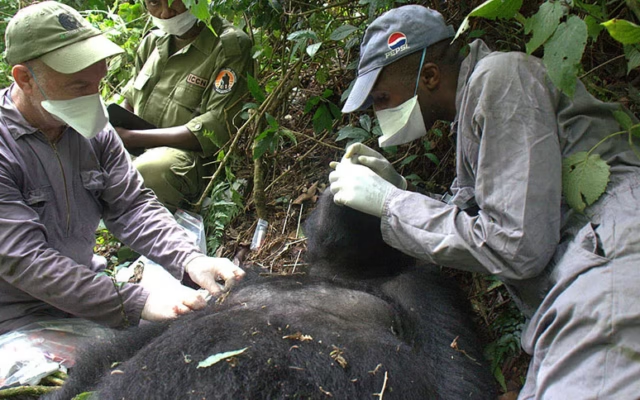
If you become ill after returning from a safari, you can visit a doctor, purchase medication or go to a hospital. A mountain gorilla has no such routine healthcare system. Specialist wildlife veterinarians can sometimes intervene when serious problems occur, but treating a wild gorilla is complex. The animal may live hours from road access. Veterinary teams must hike into the forest.
The gorilla may need to be assessed while surrounded by a protective family. Immobilization carries risks. Every intervention can cause stress. Prevention is therefore much easier than treatment.
Habituation Creates Both Opportunity and Responsibility
Gorilla trekking is possible because selected families undergo habituation. Over time, they become accustomed to the carefully controlled presence of humans. Habituation allows researchers to monitor gorillas and visitors to observe them at relatively close range. But habituation does not mean immunity. A gorilla that calmly allows humans nearby is not biologically protected from human pathogens.
In fact, habituation makes responsible visitor management even more important because it creates repeated opportunities for proximity. The privilege of close observation comes with responsibility.
Why Visitor Numbers Are Controlled
Limiting the number of tourists visiting each gorilla family reduces overall human exposure. Imagine a completely unregulated system in which hundreds of visitors surrounded one gorilla family every day. The animals would experience much greater disturbance and repeated exposure to far more people. Controlled group sizes reduce this pressure. Permit limits therefore serve more than one function.
They protect the quality of the experience, manage tourism demand and contribute to conservation safeguards.
Observation Time Is Also Limited
Visitors normally spend a controlled period observing a habituated gorilla family during standard trekking. This limit is often discussed in relation to disturbance, but it also reduces the total duration of close human presence. The shorter and more predictable the encounter, the easier it becomes to manage tourism responsibly. Tourists may wish the experience lasted much longer. From the gorilla’s perspective, however, a limited encounter is preferable to being watched continuously throughout the day.
Hygiene Matters Before Entering the Forest
Responsible gorilla tourism involves thinking about hygiene as part of wildlife conservation. Travelers should arrive prepared to follow whatever current health measures are required by park authorities. Simple actions such as washing hands, avoiding unnecessary contact with vegetation near gorillas, following instructions about coughing or sneezing and disposing of waste properly all contribute to reducing contamination.
Requirements can change depending on conservation circumstances, so visitors should follow the latest briefing given by park staff.
Human Waste Must Be Managed Carefully
A forest trek can last several hours, creating practical questions about toilets. Visitors should never simply leave human waste exposed near gorilla habitat. Rangers provide guidance on what to do if nature calls during a trek. Waste management matters because fecal material can contain pathogens. What may seem like a small personal convenience issue therefore has conservation implications.
Always follow your ranger's instructions.
Food Should Never Be Shared With Gorillas
Mountain gorillas find their own food in the forest. Visitors should never offer snacks, fruit or any other food. Feeding wildlife can change natural behavior, encourage animals to approach humans and create opportunities for disease transmission. It can also expose gorillas to foods that are inappropriate for their natural diet. Keep food packed away when gorillas are nearby and obey ranger instructions about eating during the trek.
Masks and Other Precautions
Health measures associated with great ape tourism can evolve as scientific knowledge and disease conditions change. In some circumstances, face coverings may be required or strongly recommended during gorilla encounters because they can provide an additional barrier against respiratory droplets. The important approach for travelers is not to rely on information from an old blog post or previous safari. Follow the rules communicated by wildlife authorities and rangers at the time of your visit. Conservation protocols exist to protect the animals.
Disease Can Move in More Than One Direction
Discussion often focuses on humans infecting gorillas, but disease ecology is more complicated. Wildlife can also carry microorganisms that affect people. This is another reason tourists should avoid physical contact, respect hygiene requirements and follow professional guidance. Healthy distance protects everyone. The objective is not to make visitors afraid of gorillas.
It is to recognize that close interaction between species creates biological pathways that responsible tourism should minimize.
Rangers Monitor Gorilla Health
One advantage of habituation is that trained trackers regularly observe gorilla families. Because individual gorillas are known, rangers can notice changes in appearance or behavior. A persistent cough, visible nasal discharge, weakness or reduced activity may be reported. If several members of the family show similar symptoms, specialists may investigate whether disease is spreading through the group.
Monitoring therefore complements tourism restrictions. The first objective is prevention. The second is early detection.
Veterinarians Can Respond to Serious Problems
Specialist wildlife veterinarians may become involved when a health issue is serious enough to justify intervention. Assessment can include direct observation and non-invasive sample collection. In certain circumstances, treatment may be necessary. But veterinary intervention is difficult and cannot remove every health risk. The safest disease is still the disease that never reaches the gorillas.
This makes visitor responsibility an important part of conservation medicine.
Local Communities Are Part of Gorilla Health Protection
Gorilla health is not influenced only by tourists. Protected areas exist beside human communities, farms and settlements. People and wildlife share landscapes and environmental resources. Conservation organizations therefore increasingly recognize the connection between human, animal and ecosystem health. Improving health awareness and supporting communities surrounding gorilla habitats can indirectly benefit wildlife conservation.
Healthy ecosystems and healthy communities contribute to healthier wildlife populations.
Responsible Tour Operators Matter
Tour operators play an important role before a traveler ever reaches Bwindi. They should provide accurate information about trekking rules. Clients need to know that illness can affect participation. Operators should not encourage visitors to hide symptoms. Guides should reinforce wildlife authority regulations rather than trying to bypass them.
The quality of gorilla tourism depends partly on whether the tourism industry treats conservation rules as essential rather than optional.
What You Should Do Before Your Gorilla Trek
Travelers can reduce health risks through sensible preparation. Avoid unnecessary exposure to illness immediately before trekking where practical. Tell your guide if you become unwell. Follow current park health requirements. Carry appropriate personal hygiene supplies recommended for your trip.
Listen closely during the morning briefing. Most importantly, accept that conservation decisions may occasionally override personal convenience. Seeing mountain gorillas is a privilege rather than an entitlement.
The Rules Protect the Experience's Future
It can be frustrating to hear instructions about distance precisely when your goal is to get close to gorillas. Yet those restrictions are one of the reasons gorilla trekking can continue. Uncontrolled interaction would create unacceptable risks. Responsible tourism deliberately limits human behavior so that visitors can enter the gorillas' habitat without overwhelming them. The success of the experience depends on this restraint.
Loving Gorillas Means Keeping Your Distance
Perhaps the biggest contradiction in gorilla trekking is that the closer you feel emotionally to the animals, the more important physical distance becomes. Watching a mother gently hold her infant can produce a powerful sense of connection. A silverback’s calm presence may make him seem almost familiar. A juvenile’s curiosity can tempt visitors to respond as they would to a playful child. But mountain gorillas are not humans.
And they are not domestic animals. The most respectful response is to observe without interfering. That is the central lesson behind why humans can make gorillas sick. Our biological similarity gives us the ability to recognize ourselves in them. It also gives us a responsibility to understand that we may carry organisms capable of harming them.
When you trek in Bwindi Impenetrable National Park or Mgahinga Gorilla National Park, following health rules is therefore not simply bureaucracy. Keeping your distance is conservation. Avoiding a trek when seriously ill is conservation. Not touching a curious juvenile is conservation. Following your ranger's instructions is conservation.
The reward is an extraordinary form of tourism in which people can still sit quietly in an African rainforest and observe mountain gorillas living freely with their families. Protecting that privilege begins with making sure we leave the gorillas as healthy as we found them.
 Read