A gorilla permit is one of the largest individual expenses on many Uganda safari itineraries. For travelers planning their first gorilla trek, the price can naturally raise an important question: Where does gorilla permit money go? The simplest answer is that you are paying for much more than admission to a forest.
A gorilla permit is part of a regulated conservation and tourism system involving protected-area management, rangers, trackers, monitoring, visitor management, community programs and the long-term protection of mountain gorilla habitat. Understanding this system can completely change how you view the cost of gorilla trekking.
A Gorilla Permit Is Not Just an Entrance Ticket
It is easy to compare a gorilla permit with an ordinary national park entrance fee, but the two experiences operate very differently. During a typical wildlife safari, visitors may enter a national park and drive through it for several hours. Gorilla trekking requires a much more intensive management system. Before visitors arrive, trackers may already be monitoring the locations of habituated gorilla families.
At park headquarters, tourists must be registered and assigned to appropriate trekking groups. Rangers then accompany visitors into the forest, interpret gorilla behavior, enforce conservation rules and manage the encounter. Meanwhile, other teams continue patrols, monitoring and conservation activities throughout the protected area. The permit therefore supports access to an experience that depends on year-round wildlife protection.
Uganda's Gorilla Parks
Uganda’s mountain gorillas are found in two protected areas: Bwindi Impenetrable National Park and Mgahinga Gorilla National Park. Bwindi contains multiple gorilla trekking sectors and is the country’s principal gorilla trekking destination. Mgahinga forms part of the wider Virunga conservation landscape and offers another opportunity to track mountain gorillas in Uganda.
Both landscapes require permanent protection regardless of how many tourists visit on a particular day. Park boundaries must be managed. Rangers must patrol. Wildlife must be monitored. Visitor activities must be controlled.
Infrastructure must be maintained. The gorilla permit contributes to the financial system supporting these activities.
Supporting Protected-Area Management
One important destination for tourism revenue is protected-area management. Maintaining a national park involves significant recurring costs. These may include ranger operations, administration, communication equipment, transport, trail maintenance, visitor facilities and other conservation infrastructure. Mountain gorilla habitat is particularly demanding. Bwindi is mountainous, densely forested and difficult to navigate.
Protecting such terrain requires trained personnel capable of operating in challenging conditions. The money generated by tourism helps reinforce the economic foundation required to keep these protected areas functioning.
Paying for Rangers and Trackers
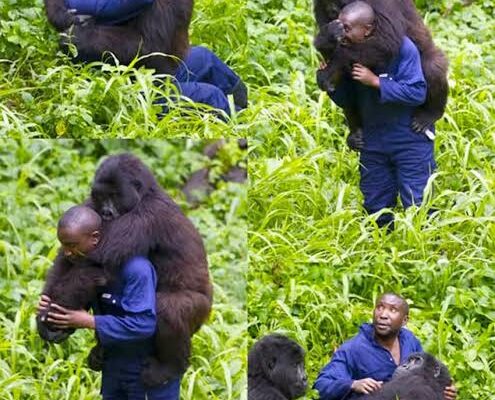
Visitors encounter rangers directly during gorilla trekking, making ranger operations one of the easiest conservation benefits to understand. Rangers perform many responsibilities beyond guiding tourists. Teams may patrol forests, search for signs of illegal activities, monitor wildlife, maintain visitor trails and support conservation enforcement. Trackers play an equally important role. They follow gorilla movements and help determine where habituated families are located. Because gorillas are free-ranging wild animals, their position can change considerably from one day to another. The ability to locate them for tourism is connected to continuous monitoring. Without trained rangers and trackers, controlled gorilla tourism would be extremely difficult.
Gorilla Monitoring Happens Beyond Tourist Visits
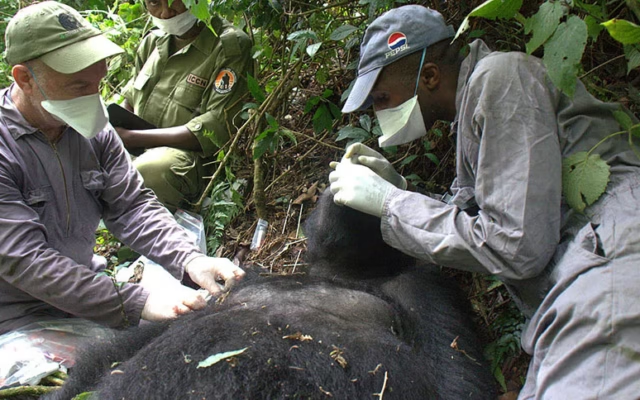
Tourists spend only a short period with a gorilla family. Conservation teams, however, maintain much longer-term records. Individual gorillas can often be recognized through physical features, facial characteristics and other identifiers. Monitoring helps teams understand births, deaths, group changes, injuries and unusual behavior. This information contributes to understanding the health and development of the population. If an individual appears injured or ill, observations from trackers can help specialists determine whether further assessment is necessary. Your permit is therefore associated with a system in which gorillas are watched not merely for tourists but also for conservation purposes.
Supporting Habitat Protection
Mountain gorillas cannot survive without healthy forest habitat. Protecting the animals therefore means protecting the ecosystem around them. Bwindi is extraordinarily biodiverse, containing numerous mammals, birds, butterflies, plants and other organisms in addition to mountain gorillas. When gorilla tourism helps finance protection of the forest, many other species benefit as well. This is one reason flagship species such as mountain gorillas can be so important to conservation. Visitors may travel thousands of kilometers specifically to see gorillas, but the protection generated around those gorillas safeguards a much larger ecosystem.
Tourism Revenue Strengthens the Value of Conservation
Protected forests face competing economic pressures. Land can potentially be used for agriculture, settlement or resource extraction. Tourism provides an alternative economic argument. An intact forest containing mountain gorillas can generate recurring tourism revenue year after year. That revenue supports businesses, jobs and government income.
The gorilla becomes economically valuable while remaining alive and wild. This is one of the most important ways permit revenue contributes indirectly to conservation. The more clearly local and national economies benefit from protected wildlife, the stronger the incentive to preserve that wildlife and its habitat.
Community Benefits Matter
The success of gorilla conservation depends heavily on communities surrounding protected areas. People living beside national parks experience conservation at close range. They may face restrictions on how forest resources can be used and, in some places, challenges associated with wildlife moving near farms. Conservation cannot be sustainable if surrounding communities receive no meaningful benefits.
Uganda's conservation and tourism model therefore includes mechanisms through which communities can benefit from tourism. These may include revenue-sharing initiatives, employment and tourism-related economic opportunities. The exact allocation of funds can change over time, so travelers should avoid assuming that every dollar from a permit is divided according to one simple formula.
The broader principle, however, is clear: communities surrounding protected areas are important stakeholders in conservation.
Tourism Creates a Wider Local Economy
Not all benefits from a gorilla permit occur through direct financial distribution. The permit attracts the traveler to the destination in the first place. Once there, the visitor may spend money on: This secondary spending can be substantial. A traveler trekking in Bwindi may stay for two or three nights, employ a safari guide, hire a porter and purchase locally produced goods. The economic impact therefore extends considerably beyond the permit itself.
Why Permits Are Limited
If permits generate money, why not simply issue far more of them? Because conservation must come before maximizing visitor numbers. Mountain gorillas are wild animals and repeated human contact creates potential risks. Tourist groups are therefore controlled and only habituated gorilla families are normally visited. Restricting permit availability helps manage the amount of human presence around each family.
This is a critical point. A sustainable gorilla tourism model should not aim to generate the maximum possible revenue today if doing so could damage the wildlife on which tourism depends tomorrow. Permit limits represent a compromise between access, conservation funding and gorilla welfare.
Why Visitors Spend Limited Time With Gorillas
The observation period is also controlled. After trekkers locate their assigned gorilla family, standard visits generally allow a limited period with the animals. This can initially seem short considering the permit price and the effort required to reach the gorillas. But the purpose is not to sell time by the hour. The system is designed to provide a meaningful wildlife experience while limiting prolonged exposure.
You are paying for the entire conservation and trekking system—not simply the minutes spent taking photographs.
The Hidden Work Behind Every Permit
Consider what has to happen before a tourist can safely meet a mountain gorilla family. The forest must remain protected. Gorilla populations must be monitored. Selected families must undergo a careful habituation process. Rangers and trackers must be trained.
Tourism rules must be developed and enforced. Trails and park facilities must be maintained. Visitor groups must be organized. Communities must be engaged. Health risks must be managed.
Conservation research must continue. The permit helps sustain this infrastructure. This is why asking whether a permit is expensive purely in relation to one hour with gorillas misses much of its purpose.
Does Every Dollar Go Directly to Gorillas?
No. Protected-area financing is more complicated than that. Permit revenue contributes to a broader wildlife conservation and tourism management system. Not every dollar is literally handed to a ranger, veterinarian or community project immediately after you purchase your permit. Administrative and operational costs are necessary for conservation to function.
Vehicles need fuel. Staff need salaries. Facilities require maintenance. Communication systems and offices need to operate. Visitor management itself costs money.
These functions may not be as emotionally compelling as seeing a ranger remove a snare, but they are necessary components of an effective protected-area system.
Gorilla Permits Also Regulate Demand
Permits serve another function that is easy to overlook: they regulate access to a scarce wildlife experience. Only a limited number of people can visit a particular gorilla family on a given day. This prevents uncontrolled crowds from entering the forest. The permit system allows authorities to know how many visitors are expected and organize trekking groups accordingly. It therefore combines conservation financing with visitor management.
What Your Permit Does Not Cover
Travelers should also understand that a gorilla permit is usually only one component of a complete Uganda gorilla safari. Depending on your tour arrangement, separate costs may include accommodation, transportation, meals and other safari activities. This is why two gorilla safari packages can have very different overall prices even though both include the same core trekking experience.
A budget safari might use simple accommodation and shared transportation. A luxury safari may include premium lodges and private 4×4 transportation. The gorilla permit remains the essential conservation access component within both experiences.
Should You Think of the Permit as a Conservation Contribution?
Partly, yes—but it is also a tourism product. Travelers receive something extremely valuable in return: regulated access to observe one of the world’s most remarkable wild primates in its natural habitat. The important distinction is that the tourism product is structured around conservation. Without healthy gorilla populations and protected forests, there is no sustainable trekking industry.
This creates a direct relationship between protecting wildlife and maintaining tourism revenue.
How Travelers Can Increase Their Positive Impact
Purchasing a permit is only one way to contribute. During your Uganda gorilla safari, you can increase the local benefits of your visit by hiring a porter, purchasing locally made products, staying in responsible accommodation and participating respectfully in community tourism experiences. Most importantly, follow the trekking regulations. Do not pressure your guide to allow closer contact. Do not feed gorillas.
Do not leave rubbish behind. Avoid participating when you have a potentially contagious illness. Responsible behavior protects the very animals your permit is helping to conserve.
The Real Value Behind a Gorilla Permit
So, where does gorilla permit money go? It helps sustain the larger conservation system that makes mountain gorilla trekking possible. That includes protected-area management, ranger and tracker operations, wildlife monitoring, visitor management, habitat protection and community conservation initiatives. The permit also creates economic value around the continued existence of mountain gorillas. That may be its greatest contribution.
Instead of being valuable because their habitat can be converted into something else, gorillas become valuable because travelers want to see them alive in a protected forest. Every legitimate gorilla permit represents another small investment in maintaining that system.
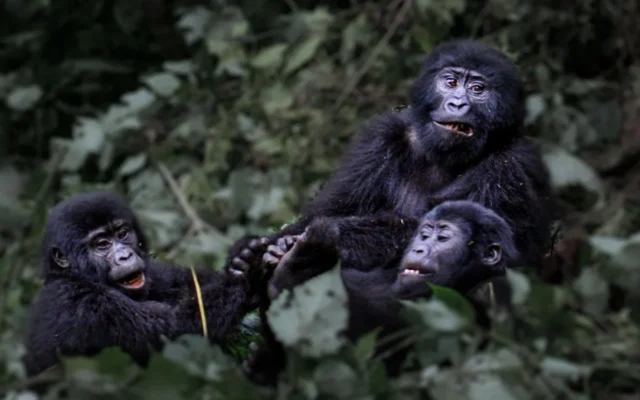
When you finally stand quietly in Bwindi's forest watching a silverback, a mother carrying an infant or juveniles playing in the vegetation, you are seeing the visible result of a conservation structure operating throughout the year. The permit gets you into the forest. More importantly, the revenue it generates helps ensure there will still be a forest—and mountain gorillas living inside it—for travelers who come after you.
 Read