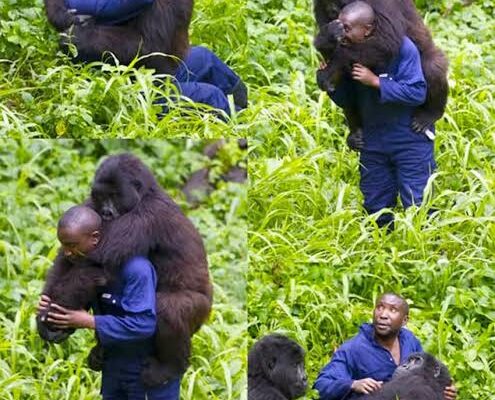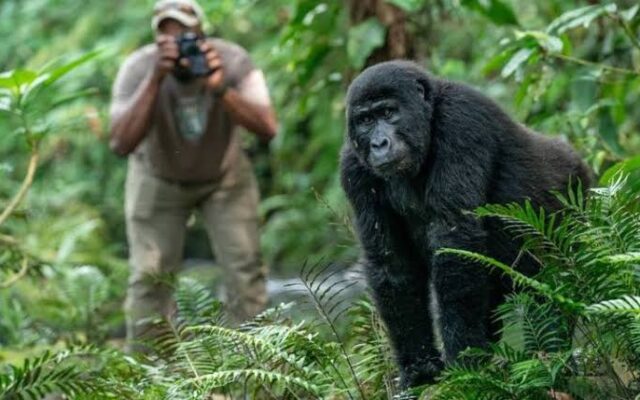
Mountain gorillas are wild animals living freely in some of Africa’s most rugged forests. They are not pets, zoo animals or livestock under constant veterinary supervision. Yet there are situations in which a seriously sick or injured mountain gorilla may receive veterinary attention. This creates a difficult conservation question. How do you treat an endangered wild gorilla without turning it into a managed animal?
The answer involves careful observation, highly trained wildlife veterinarians and a principle that is central to mountain gorilla medicine: intervene only when there is a strong conservation or welfare reason to do so. Understanding how veterinarians treat sick gorillas reveals one of the most fascinating and delicate areas of mountain gorilla conservation.
Mountain Gorillas Remain Wild Animals
The first thing to understand is that veterinary teams are not trying to remove every natural risk from a gorilla’s life. Wild animals become sick. They sustain injuries. Individuals age. Natural competition between gorillas can cause wounds.
Some infants do not survive. These are realities of wild populations. Conservation medicine therefore does not mean veterinarians routinely enter the forest to give gorillas medication whenever something appears wrong. Intervention must be carefully considered. The goal is to protect an endangered population while allowing natural ecological and social processes to continue.
Rangers Are Often the First to Notice a Problem
Veterinary response usually begins with observation. Trackers and rangers regularly monitor habituated gorilla families and know many individuals extremely well. They can notice subtle changes that an occasional visitor might miss. A gorilla might begin walking differently. Another might have a visible wound.
An individual could appear unusually inactive or stop feeding normally. Persistent respiratory signs may also attract attention. Because field teams observe gorillas frequently, changes can be reported to conservation managers and veterinary specialists. This creates an early-warning system.
Observation Comes Before Intervention
A suspected health problem does not automatically lead to treatment. Veterinarians may first assess reports, photographs or direct observations. Some injuries heal naturally. Minor wounds may not require intervention. A gorilla that appears lethargic for a short period may recover without treatment.
Veterinary teams must therefore evaluate whether intervention would provide a greater benefit than leaving the animal undisturbed. This is particularly important because approaching and treating a wild gorilla can cause stress to both the individual and the family.
Why Treatment Decisions Are Complicated
Imagine an adult gorilla receives a superficial wound during a disagreement with another gorilla. Should veterinarians anesthetize and treat it? Not necessarily. Conflict is part of natural gorilla behavior, and anesthesia itself has risks. Now imagine a young gorilla has a wire snare tightening around its wrist.
That is very different. The injury is directly linked to human activity and could become increasingly serious. Intervention may be much more strongly justified. Each situation requires assessment based on severity, cause, individual welfare and possible effects on the wider gorilla population.
Human-Caused Problems May Receive Particular Attention
Conservation medicine often distinguishes between natural events and problems resulting from human activity. A gorilla caught in a snare, for example, is suffering because of a human-created object. Teams may therefore make significant efforts to remove the snare and treat associated injuries. Disease transmission from humans is another major concern because mountain gorillas share biological similarities with us.
This is one reason tourism rules around illness and distance are so important. Veterinary intervention is valuable, but preventing human-caused health problems is much better.
How Do Veterinarians Approach a Gorilla?
Unlike a domestic animal, a mountain gorilla cannot simply be called into a clinic. Veterinary teams must travel to wherever the animal is located. This can involve hiking through steep, muddy rainforest carrying specialized equipment. Trackers help locate the gorilla family. Once specialists reach the group, they observe the affected individual and determine what action is possible.
The social environment matters enormously. The sick or injured gorilla may be surrounded by a dominant silverback, females, juveniles and infants. Any intervention must consider the reactions of the entire family.
Sometimes Treatment Can Be Given From a Distance
Wildlife medicine often requires techniques that minimize direct handling. Depending on the condition and treatment required, medication may sometimes be delivered using remote methods. For more complicated procedures, a gorilla may need to be temporarily immobilized. That decision is not taken lightly. Chemical immobilization allows veterinarians to examine and treat an animal directly but introduces additional risks. The team therefore needs careful planning before proceeding.
What Happens During Immobilization?
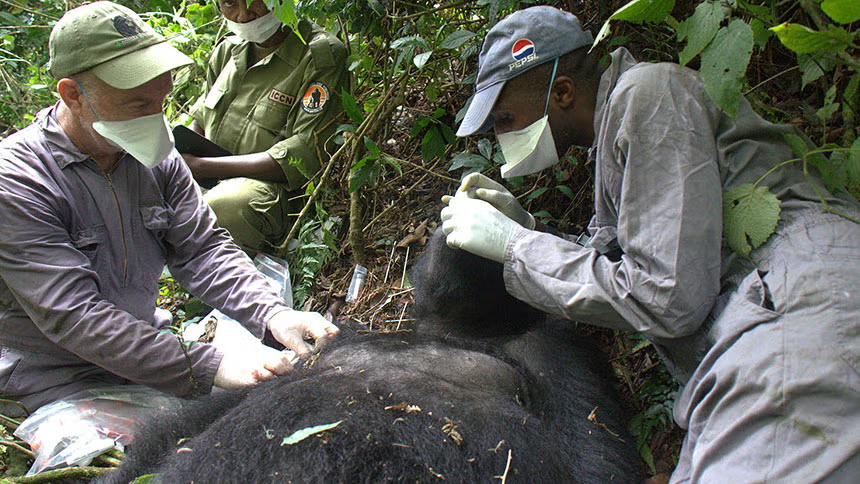
When immobilization is necessary, veterinary specialists calculate drugs and doses based on the individual and the situation. Once the gorilla is safely immobilized, the team has a limited window in which to work. They may assess wounds, remove foreign objects, collect samples, clean injuries or administer medication. Vital signs must be monitored carefully. Speed is important, but so is precision. The objective is to complete the necessary procedure and allow the gorilla to recover safely while minimizing disruption to the family.
Treating a Snare Injury
Snare injuries illustrate why veterinary intervention can be so important. A wire snare is usually placed to catch other forest animals, but a gorilla may accidentally become trapped. The wire can tighten as the animal struggles. This can damage tissue, restrict circulation and create serious wounds. If the wire remains attached, the injury can worsen. A veterinary team may need to immobilize the gorilla, remove the wire, clean and assess the wound and provide appropriate treatment. Follow-up monitoring then becomes essential. Rangers observe the gorilla after the intervention to determine whether it is healing and behaving normally.
Respiratory Illness Is Another Concern
Mountain gorillas can experience respiratory disease, and respiratory symptoms receive particular attention because of the possibility of pathogen transmission. Trackers may notice coughing, nasal discharge, unusual breathing or reduced activity. Veterinary teams can assess the pattern across the group. Is one gorilla affected or several? Are symptoms mild or severe? Are infants involved? Is the family feeding normally? In some cases, observation may be sufficient. In more serious situations, specialists may need to investigate further.
Collecting Samples Without Touching Gorillas
Modern wildlife medicine does not always require capturing an animal. Mountain gorillas leave biological material behind as they move through the forest. Fecal samples can provide valuable information. Researchers and veterinarians may use non-invasive samples to investigate parasites, pathogens, hormones, genetics and other biological questions. This approach allows specialists to learn about gorilla health while minimizing disturbance. It is one of the most powerful tools in conservation medicine.
Why Individual Identification Matters
Habituated gorillas can often be identified individually. This helps veterinarians enormously. Instead of receiving a report that “a gorilla is coughing,” specialists may know exactly which animal is affected, its approximate age, sex, family history and recent behavior. Long-term monitoring records can reveal whether an individual has experienced previous health problems.
This level of knowledge is unusual for wild animals and makes mountain gorilla conservation particularly sophisticated.
The Silverback Complicates Everything
A dominant silverback is responsible for protecting his family. From his perspective, people approaching a sick member may appear to be a threat. Veterinary teams therefore need to understand family dynamics and individual temperament. Habituation helps because gorillas in monitored families are accustomed to the controlled presence of researchers and rangers. But habituation does not make them tame.
They remain powerful wild animals capable of unpredictable reactions. Every intervention must therefore be planned around gorilla behavior as well as medicine.
Protecting Infants Can Be Especially Challenging
Young gorillas remain closely associated with their mothers. A veterinarian cannot easily isolate an infant for treatment without considering the mother and other family members. The social bond between mother and infant is fundamental. Any procedure involving a juvenile therefore requires particular caution. Teams aim to solve the immediate medical problem while minimizing separation and stress.
Aftercare Happens in the Forest
There is no hospital ward where a recovering mountain gorilla spends the night. After treatment, the gorilla returns to life with its family. This makes post-treatment monitoring extremely important. Trackers can observe whether the individual resumes feeding, walking and socializing. They can watch the wound or symptoms over subsequent days.
Updates can be communicated to veterinarians, who may decide whether additional assessment is necessary. The forest effectively becomes the recovery room.
Veterinary Medicine Supports Population Conservation
Why invest so much effort in treating one gorilla? Because every individual can matter in a small endangered population. A breeding female may produce multiple offspring during her lifetime. A healthy silverback can provide stability and protection for an entire family. An infant represents part of the population’s future.
Saving one animal does not solve every conservation problem, but the cumulative survival of individuals can influence long-term population trends. This is particularly important for species with slow reproductive rates.
Prevention Is Better Than Treatment
The ideal veterinary intervention is often the one that never becomes necessary. Removing snares before gorillas encounter them prevents injuries. Maintaining strict tourism health rules reduces disease risk. Protecting habitat minimizes environmental pressures. Monitoring allows problems to be identified early.
Responsible conservation therefore combines veterinary medicine with prevention. Doctors can treat some conditions, but healthy habitat and careful management remain the foundation of gorilla survival.
Tourists Have a Role in Gorilla Health
Visitors can help reduce the need for veterinary intervention simply by obeying trekking rules. Do not go trekking when you have a contagious illness. Maintain the required distance whenever possible. Do not touch gorillas, even if a juvenile approaches. Never feed them.
Cover your mouth appropriately if instructed when coughing or sneezing. Follow all ranger guidance. These precautions may feel restrictive during an expensive safari, but they exist because human behavior can affect gorilla health.
Why Gorillas Are Not Treated Like Zoo Animals
Some travelers wonder why conservation teams would ever allow an injured gorilla to recover naturally when veterinary expertise is available. The answer is that wilderness conservation is different from captive animal management. The purpose is to maintain a functioning wild population. Natural competition, aging and some disease processes are part of that system.
If humans intervened in every event, the population would gradually become intensively managed. Conservationists must therefore decide where the boundary lies. It is not always an easy decision.
Science Guides Intervention
Veterinary decisions draw on multiple disciplines. Teams may consider wildlife medicine, epidemiology, behavioral ecology, population biology and conservation ethics. Laboratory testing can identify pathogens. Long-term monitoring can show whether similar illnesses have occurred previously. Behavioral knowledge helps determine how a family might react to an intervention.
This combination of science and field experience makes gorilla medicine highly specialized.
The One Health Connection
Mountain gorilla conservation also demonstrates the close relationship between human, animal and environmental health. People live around gorilla habitats. Tourists visit from around the world. Domestic animals and livestock exist in surrounding landscapes. Wildlife moves through complex ecosystems.
Diseases can sometimes move between species. Protecting gorilla health therefore cannot be separated completely from protecting human health and maintaining healthy environments. This interconnected approach is often described through the broader concept of One Health.
What Visitors Usually Never See
A normal gorilla trekking visitor may never witness veterinary work—and that is a good thing. Most tourists simply observe gorillas feeding, resting, grooming and playing. Behind that peaceful encounter, however, exists a network of rangers, trackers, researchers and veterinary specialists prepared to respond when serious problems arise. The absence of visible intervention does not mean nothing is happening.
Regular monitoring allows specialists to remain informed without unnecessarily interfering.
Conservation Medicine Is a Delicate Balance
Understanding how veterinarians treat sick gorillas ultimately requires understanding restraint. The skill is not simply knowing how to administer medicine to a 150-kilogram silverback in a rainforest. The harder question is knowing whether intervention is justified at all. Mountain gorillas deserve protection, but they also deserve to remain wild. The best conservation medicine respects both realities.
Veterinarians step in when circumstances warrant action, especially when serious illness, injury or human-caused threats endanger an individual. Then they step back again. The gorilla returns to its family. The trackers continue monitoring. The forest resumes its rhythm.
And somewhere inside Bwindi or the Virunga mountains, a wild gorilla continues its life—protected when necessary, but never transformed into something it was never meant to be.
 Read