Mountain gorilla trekking is usually described as one of Africa’s most memorable wildlife experiences. Travelers hike through thick mountain forests, follow experienced trackers and eventually spend a carefully controlled period observing a habituated mountain gorilla family. What visitors sometimes do not see is the extensive conservation system operating behind that encounter.
Gorilla tourism is not simply about bringing travelers into the forest to see gorillas. When carefully regulated, it can provide money, employment, political support and economic incentives that help make protecting mountain gorillas worthwhile for governments and communities.
Introduction
This relationship between tourism and conservation is especially important in Uganda, where mountain gorillas live in Bwindi Impenetrable National Park and Mgahinga Gorilla National Park. Understanding how gorilla tourism helps conservation gives travelers a different perspective on the price of a gorilla permit and the strict rules followed during a trek.
Mountain Gorillas Need Intensive Protection
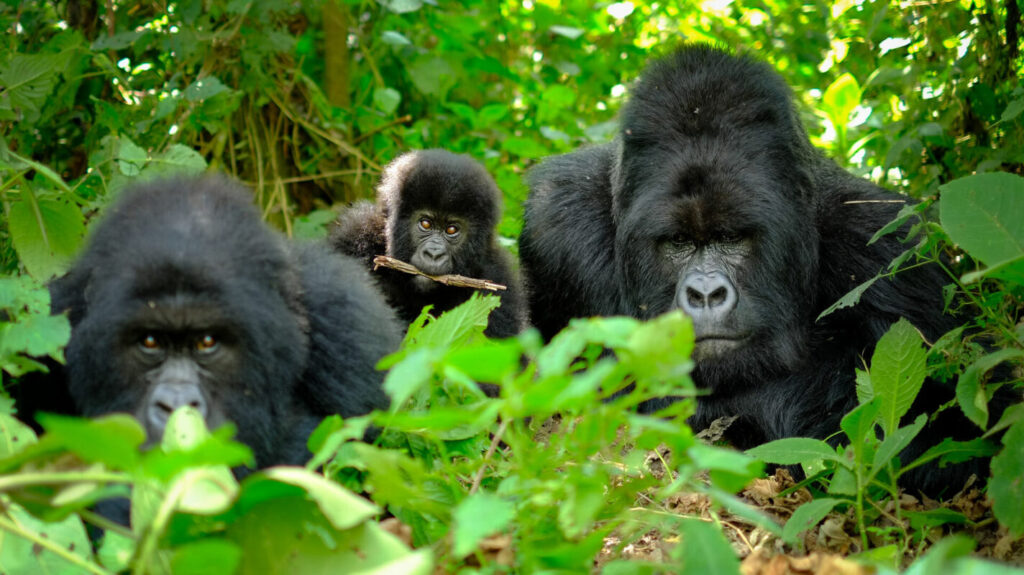
Mountain gorillas occupy a relatively small geographical range in East and Central Africa. Their remaining populations occur within protected forests shared by Uganda, Rwanda and the Democratic Republic of Congo. These forests face pressures that can include agricultural expansion, illegal resource extraction, snares intended for other animals, disease transmission and increasing human populations around protected areas.
Protecting gorillas therefore requires considerably more than simply declaring their habitat a national park. Conservation teams must patrol forests, monitor gorilla families, maintain park boundaries, manage visitors, work with neighboring communities, respond to emergencies and collect scientific information. All these activities require reliable funding. Tourism has become one of the mechanisms through which that funding can be generated.
Gorilla Permits Generate Conservation Revenue
Every visitor who participates in gorilla trekking must obtain a gorilla permit. In Uganda, permits are issued through the country’s wildlife management system and the number of visitors allowed to see each habituated gorilla family is restricted. The permit system serves two important purposes. First, it controls visitor numbers so that gorilla families are not exposed to unlimited human contact.
Second, permit fees generate substantial revenue associated directly with the economic value of protecting gorillas and their habitat. That revenue contributes to the wider protected-area system that makes gorilla conservation possible. A traveler purchasing a gorilla permit is therefore paying for more than approximately one hour of observation with a gorilla family. The permit forms part of a much larger conservation structure.
Tourism Helps Fund Ranger Operations
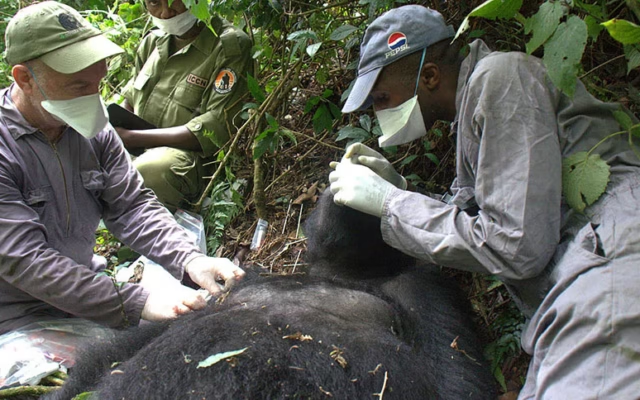
Rangers are among the most important people involved in protecting mountain gorillas. Their work happens throughout the year, including on days when there are few or no tourists in the forest. Rangers and trackers may patrol gorilla habitats, monitor wildlife movements, look for illegal activities, identify snares, maintain trails and provide information about changing conditions inside protected areas.
During gorilla trekking, visitors normally interact with only a small part of this workforce. Behind the trekking experience are additional conservation personnel responsible for keeping the forest secure. Tourism revenue helps create the financial justification and resources required to maintain these operations.
Gorilla Families Are Monitored Regularly
Habituated mountain gorilla families are closely monitored. Trackers often enter the forest early to locate groups and observe their condition. They can recognize individual gorillas and notice changes in behavior, group composition or physical appearance. Long-term monitoring provides valuable information. If a gorilla disappears, becomes injured or begins behaving unusually, conservation teams can investigate.
Researchers can also use accumulated observations to better understand reproduction, mortality, social behavior and population trends. Tourism and monitoring often overlap because the same infrastructure that allows visitors to locate habituated groups also supports ongoing conservation observation. This does not mean gorillas are managed like animals in a zoo. They remain wild and move freely through their natural habitat.
The objective is to monitor them while interfering as little as possible with natural behavior.
Tourism Creates an Economic Value for Keeping Forests Intact
One of the biggest conservation challenges anywhere in the world is competing land use. A forest may be valuable for biodiversity, but neighboring communities may also need land, firewood, employment and income. Tourism can change the economic equation. When intact gorilla habitat attracts international travelers, the forest begins generating economic activity precisely because it remains protected.
Visitors require accommodation, guides, transport, food, porters and other services. Hotels and lodges purchase supplies. Drivers transport tourists. Local guides lead activities. Craftspeople sell products. Porters earn income from assisting trekkers.
The gorillas consequently create an economic ecosystem extending beyond the national park boundary. This provides an important argument for conservation: living gorillas and intact forests can generate long-term economic benefits.
Local Communities Are Essential to Gorilla Conservation
Mountain gorillas cannot realistically be protected without cooperation from people living around their habitat. Communities bordering Bwindi and Mgahinga interact with the conservation landscape every day. They experience both the benefits and restrictions associated with living beside a protected area. Successful conservation therefore requires local participation.
Tourism creates opportunities for communities to benefit from the presence of gorillas through employment, accommodation, guiding, cultural activities, craft production and other enterprises. Revenue-sharing mechanisms and conservation-related community projects can provide additional benefits. The principle is important.
People living beside gorilla habitat should have meaningful reasons to see conservation as valuable rather than viewing the park only as land from which they are excluded.
Gorilla Tourism Creates Employment
The employment generated by gorilla tourism extends across numerous occupations. These can include: Some employment is directly connected to gorilla trekking, while other jobs exist because visitors spend additional nights and money in the region. A traveler may arrive primarily to see gorillas but also pay for accommodation, meals, transport and cultural experiences. That spreads the economic impact of tourism.
Porters Demonstrate Conservation at Community Level
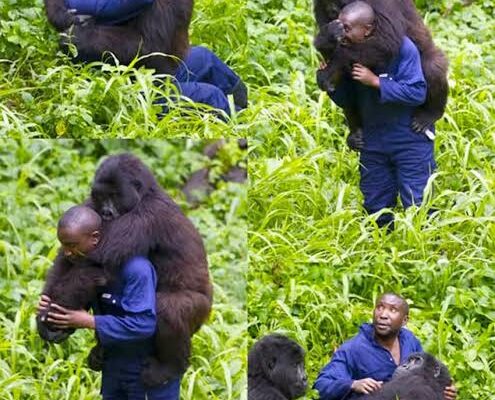
Hiring a porter during a gorilla trek is one of the simplest ways travelers can contribute directly to the local tourism economy. Porters help carry backpacks, camera equipment and drinking water. They can also assist trekkers on steep or slippery sections of the trail. The service is particularly valuable in Bwindi, where terrain can be demanding. For visitors, hiring a porter makes the trek easier. For local residents, porter work provides an opportunity to earn income from conservation-based tourism. This illustrates how gorilla tourism can transform the presence of a protected forest into practical economic opportunities.
Controlled Tourism Is Important
Tourism does not automatically equal conservation. Poorly managed wildlife tourism can create its own problems. Too many visitors could disturb gorillas, increase disease risks and place excessive pressure on forest ecosystems. That is why gorilla tourism must remain highly regulated. Uganda’s gorilla trekking system controls visitor numbers and establishes behavioral rules for encounters.
Visitors receive a briefing before entering the forest and are expected to follow instructions from their ranger guides. These restrictions are not inconveniences. They are fundamental parts of responsible gorilla tourism.
Why Trekking Time Is Limited
Visitors normally spend a restricted amount of time with a habituated gorilla family during a standard gorilla trek. This limit helps reduce prolonged disturbance and keeps tourism predictable. Imagine if groups of tourists remained beside a gorilla family throughout the entire day. Even habituated gorillas could experience increased pressure from constant human presence. Limiting observation time allows visitors to enjoy an extraordinary encounter while giving gorillas much of the day without tourist groups nearby.
Distance Rules Help Protect Gorillas
Trekkers are instructed to maintain a recommended distance from gorillas whenever circumstances allow. In reality, gorillas sometimes move closer themselves. A curious juvenile may approach or a family may unexpectedly cross the trail. When that happens, visitors should remain calm and follow their ranger’s instructions. The distance rule exists partly because mountain gorillas are biologically similar to humans and can potentially be exposed to some human illnesses. Responsible tourism therefore involves protecting gorillas not only from physical disturbance but also from unnecessary health risks.
Health Rules Matter
Travelers who are seriously unwell should not participate in a gorilla encounter. This can be disappointing, especially after planning an expensive journey, but the conservation logic is clear. Gorillas live in small populations and disease outbreaks can have serious consequences. Tourists should therefore treat health regulations as part of the responsibility that comes with visiting an endangered species. Protecting gorillas occasionally requires putting their welfare ahead of an individual’s travel plans.
Tourism Supports Research and Monitoring
Scientific knowledge has played an important role in mountain gorilla conservation. Researchers and conservation organizations study gorilla demographics, genetics, behavior, health and habitat. Long-term records help conservation managers understand whether populations are growing, declining or changing. Tourism can support the infrastructure and broader conservation environment in which this research takes place.
It also gives mountain gorillas international visibility. Millions of people around the world know about mountain gorillas partly because travelers, photographers, filmmakers and conservation organizations continually tell their story. That visibility can translate into broader support for their protection.
Tourism Makes Gorilla Conservation Internationally Important
Mountain gorillas have become one of Uganda’s most recognizable wildlife attractions. That creates powerful international interest in their survival. Travelers may return home and speak about their experience, share photographs or support conservation initiatives. Tour operators market Uganda around its gorillas. International media cover conservation developments.
The result is that protecting mountain gorillas carries significance far beyond the communities surrounding Bwindi and Mgahinga. Tourism therefore generates both financial and political value for conservation.
What Happens When Tourism Disappears?
Periods when international tourism declines demonstrate why diversification of conservation funding is important. If visitor numbers collapse, tourism-related employment and revenue can decline rapidly. This can affect lodges, guides, porters, transport providers and communities. It also illustrates how closely local economic activity has become connected to wildlife protection.
Sustainable gorilla conservation should therefore combine tourism revenue with government commitment, scientific research, community programs and support from conservation organizations. Tourism is powerful, but it should be part of a broader conservation strategy.
Responsible Travelers Strengthen the System
Visitors themselves influence whether gorilla tourism remains sustainable. Responsible trekkers should: These actions may appear small, but collectively they help maintain a tourism model designed around gorilla welfare.
Is Gorilla Tourism Perfect?
No conservation model is perfect. Questions remain about visitor pressure, disease risk, economic dependence on tourism and how tourism revenue is distributed. These issues deserve continued attention. However, the important question is not whether tourism has zero impact. Almost every form of human activity has an impact.
The more useful question is whether carefully regulated tourism creates enough conservation and community benefits to justify the controlled presence of visitors. Mountain gorilla tourism demonstrates that wildlife can generate substantial economic value while remaining alive in its natural habitat. That is a powerful conservation incentive.
Your Gorilla Trek Is Part of Something Bigger
When you purchase a gorilla permit and walk into Bwindi or Mgahinga, you are entering a conservation landscape supported by decades of work. The rangers walking beside you represent only one visible part of that effort. Behind them are trackers, researchers, veterinarians, community organizations, tourism workers and conservation managers. Your permit helps sustain a system in which gorillas have economic as well as ecological value.
Your lodge stay supports employment. Hiring a porter places tourism income directly into the surrounding community. Following trekking rules reduces pressure on the gorillas themselves. This is how gorilla tourism helps conservation: not through one single mechanism, but through a network of funding, protection, employment, monitoring and community incentives.
Plan a Responsible Gorilla Trek in Uganda
A Uganda gorilla safari can be much more than an opportunity to take photographs of mountain gorillas. Done responsibly, it becomes participation in one of Africa’s most important wildlife conservation stories. Bwindi Impenetrable National Park and Mgahinga Gorilla National Park offer travelers the opportunity to observe mountain gorillas while supporting a carefully managed tourism system designed to give these animals a long-term future.
When planning your trek, choose responsible operators, follow park regulations and remember that the restrictions surrounding gorilla trekking exist for a reason. The ultimate success of gorilla tourism is not measured only by how many visitors see gorillas. It is measured by whether future generations will still be able to find thriving mountain gorilla families living freely in the forests of Uganda.
 Read