

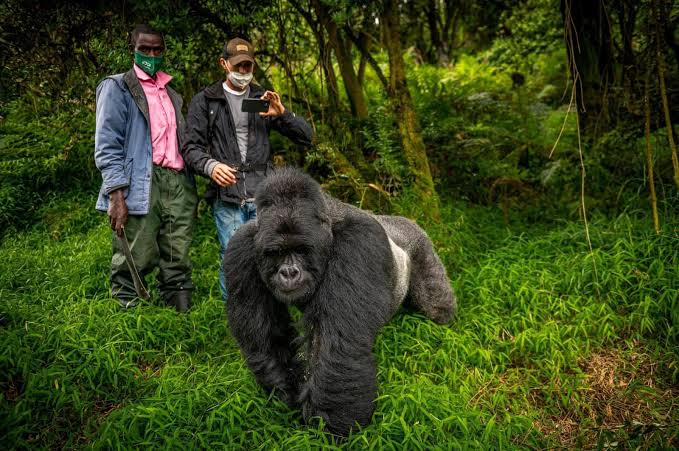
Gorilla trekking can be one of the greatest wildlife experiences of your life, but poor preparation can make an otherwise extraordinary day unnecessarily difficult. Most gorilla trekking mistakes are surprisingly simple. Wrong shoes. Booking accommodation far from your trekking sector. Underestimating the weather.
Carrying too much camera equipment. Refusing a porter. Or concentrating so intensely on photographs that you barely watch the gorillas themselves. If you are preparing for your first trek in Uganda, avoiding the following 20 mistakes will help make your experience safer, easier and considerably more enjoyable.
Mistake 1: Waiting Too Long to Secure Your Gorilla Permit
Gorilla trekking is controlled through a permit system. Daily visitor numbers are limited. That means permit availability should never be treated as an afterthought. Travelers sometimes book international flights, choose specific lodges and build an entire Uganda itinerary before checking whether permits are available for their intended dates. Reverse that logic.
Once your travel period is known, confirm trekking availability early and coordinate the rest of the itinerary around it.
Mistake 2: Booking the Wrong Lodge for Your Trekking Sector
Bwindi Impenetrable National Park has multiple trekking sectors. These include Buhoma, Ruhija, Rushaga and Nkuringo. They are not simply different entrances located a few minutes apart. Travel times between areas can be substantial. A lodge should therefore be selected according to your permit and safari routing.
This is one of the most avoidable gorilla trekking mistakes. Coordinate permits and accommodation rather than booking them independently.
Mistake 3: Wearing Ordinary Sneakers
Your everyday trainers may be comfortable at an airport. That does not make them ideal for a wet mountain forest. Trails can be muddy, steep and slippery. Choose hiking footwear with good traction. Even better, wear the shoes several times before your trip.
A gorilla trek is not the right occasion to discover that your brand-new boots create blisters.
Mistake 4: Wearing Shorts
Shorts may seem logical in a tropical destination. Inside dense forest, they are often impractical. Long trousers help protect against vegetation, insects, scratches and mud. You may walk through sections where plants brush directly against your legs. Functional clothing matters far more than safari fashion.
Mistake 5: Leaving Your Rain Jacket at the Lodge
A sunny morning does not guarantee a dry trek. Bwindi is rainforest. Conditions can change. Carry lightweight waterproof protection even if rain seems unlikely. A jacket packed into your backpack is a minor inconvenience.
Spending hours wet and cold is much worse.
Mistake 6: Ignoring Fitness Before the Safari
You do not need elite fitness. But arriving completely unprepared for uphill walking can make the experience unnecessarily exhausting. Begin regular walks before your trip. Use hills, stairs or inclined treadmill sessions if available. Even a few weeks of consistent walking can improve comfort significantly.
Mistake 7: Assuming Your Trek Will Be Short
Someone at your lodge may tell you they found their gorilla family quickly yesterday. Excellent. That does not predict today’s trek. Gorillas move. Prepare for several hours in the forest. If your trek happens to be short, consider it a bonus.
Mistake 8: Refusing to Hire a Porter
Many first-time trekkers think: “I’m fit. I don’t need one.” Then the trail becomes muddy. The backpack feels heavier. The camera starts pulling on the shoulders. And the porter suddenly seems like an excellent idea. Porters can carry equipment and provide assistance on difficult terrain. Hiring one can also directly support people living around the park.
Mistake 9: Carrying Too Much
The opposite mistake is turning your porter into a mobile equipment store. Think carefully about what you actually need. Water. Packed food where applicable. Rain jacket.
Camera. Spare battery. Phone. Essential personal items. Avoid filling your backpack with unnecessary equipment simply because you have someone available to carry it.
Mistake 10: Forgetting to Protect Electronics From Rain
Your rain jacket protects you. What protects your camera? Use waterproof bags, covers or internal dry sacks. Do not assume your backpack is fully waterproof unless you know that it is. Moisture can damage cameras, phones, batteries and documents.
Mistake 11: Learning Your Camera During the Gorilla Encounter
Your gorilla hour is not the time to discover what ISO means. Practice before traveling. Know how to adjust shutter speed. Understand autofocus. Know how to disable flash.
If using a smartphone, learn how to quickly change exposure and switch between photo and video. Preparation gives you more time to actually watch the gorillas.
Mistake 12: Depending on Flash
Flash photography is not permitted around mountain gorillas. Prepare for natural-light photography. Forest conditions can be dark, so appropriate camera settings matter. If you are unsure, practice photographing animals or people in shaded environments before traveling.
Mistake 13: Spending the Entire Encounter Behind a Camera
This may be the saddest of all photography-related gorilla trekking mistakes. Some visitors take hundreds of images yet barely remember watching the animals directly. Take your photographs. Then stop. Lower the camera.
Watch the silverback. Listen to the sounds. Observe how gorillas use their hands. See the forest with your own eyes. Your memory deserves attention too.
Mistake 14: Trying to Get Closer
Your ranger determines appropriate positioning. Do not creep forward for a better angle. Do not move away from the group. Do not approach a resting gorilla because it appears calm. The fact that an animal tolerates visitors does not mean tourists can decide their own viewing distance.
Mistake 15: Touching or Encouraging a Gorilla That Approaches
Sometimes gorillas move closer themselves. A juvenile may appear curious. That does not give you permission to interact. Never extend your hand. Never touch a gorilla deliberately. Never offer an object. Stay calm and follow ranger instructions.
Mistake 16: Running When a Gorilla Moves Toward You
A huge silverback walking in your direction can trigger immediate fear. Do not run. The animal may simply be changing feeding locations or crossing the area. Listen to your guide. Sudden movement can complicate an otherwise controlled encounter and may also cause you to fall on difficult forest terrain.
Mistake 17: Ignoring Health Rules
Gorilla trekking regulations protect the animals as well as visitors. Mountain gorillas can be susceptible to human illnesses. If you are unwell, inform the appropriate safari or park personnel rather than attempting to conceal symptoms simply because you do not want to miss your trek. Responsible gorilla tourism depends on protecting the animals.
Mistake 18: Planning a Tight Schedule Immediately After the Trek
Gorilla trekking duration is unpredictable. Avoid planning your day as though you will definitely finish at a precise hour. If possible, keep the remainder of the day relatively flexible. You may return early. Or the trek may take much longer.
A relaxed evening at your lodge or a flexible transfer often works better than a schedule dependent on an exact finishing time.
Mistake 19: Comparing Your Encounter With Social Media
You have watched videos. A silverback walks directly past a tourist. A juvenile performs in front of the camera. An infant climbs onto its mother. Now you expect the same.
Don’t. Wildlife does not repeat performances. Your gorillas may spend most of the hour feeding. The silverback may sleep. Vegetation may partially obstruct photographs. That does not make your encounter inferior. It makes it real.
Mistake 20: Thinking Gorilla Trekking Is Only About the Gorillas
This final mistake can prevent you from appreciating the complete experience. Bwindi itself is extraordinary. The drive through southwestern Uganda is part of the adventure. The morning briefing is part of it. Meeting trackers and porters is part of it.
Walking through the forest is part of it. The anticipation is part of it. The gorilla hour is the climax—not the entire story.
Other Gorilla Trekking Mistakes Worth Avoiding
There are smaller mistakes too. Not carrying enough water. Forgetting gardening or trekking gloves. Failing to bring spare camera batteries. Arriving late for briefing.
Not listening carefully to the ranger. Packing heavy unnecessary equipment. Expecting mobile-phone reception everywhere. Failing to inform your operator about mobility concerns. Most are easily prevented with thoughtful preparation.
Don’t Underestimate the Drive to Bwindi
Uganda’s gorilla regions are located in the southwest of the country. Road journeys can be substantial depending on where your safari begins. A good itinerary accounts for these distances rather than attempting to rush between destinations. Many travelers combine Bwindi with Queen Elizabeth National Park, Lake Bunyonyi, Kibale Forest or a transfer through Kigali. The routing should make geographic sense.
Don’t Choose Your Safari Only by the Cheapest Price
Gorilla trekking involves permits, transport, accommodation and professional logistics. The lowest advertised price does not automatically represent the best value. Understand exactly what is included. Does the quotation include the gorilla permit? Accommodation? Meals? Transport? Park-related charges? Airport transfers? A professional driver-guide? Compare complete itineraries rather than headline prices.
Don’t Forget Travel Insurance
Adventure travel deserves suitable insurance. Your policy should match your itinerary and activities. Read the terms rather than assuming every policy automatically covers trekking or trip disruptions. Insurance is one of those things travelers hope never to use, but appreciate enormously when something unexpected happens.
Don’t Pack Your Trekking Gear in Checked Luggage Only
Consider what would happen if your main suitcase arrived late. Your gorilla permit date will not necessarily move simply because an airline misplaced your bag. Where practical, keep essential trekking items—especially critical medication, documents and perhaps suitable clothing or footwear arrangements—in mind when organizing hand luggage.
Don’t Arrive With Unrealistic Expectations
This is perhaps the underlying cause of many disappointments. You are visiting wild animals. The forest may be wet. The hike may be difficult. The gorillas may not face your camera. A silverback may sleep. But when expectations are realistic, these imperfections become part of the adventure.
What Should First-Time Trekkers Do Instead?
Prepare early. Secure your permit. Coordinate the correct trekking sector and lodge. Build reasonable fitness. Wear appropriate footwear. Carry rain protection. Hire a porter. Bring sufficient water. Protect your electronics. Know your camera.
Listen carefully to your ranger. And approach the entire day with flexibility. That simple combination prevents most common problems.
Why Good Preparation Makes Such a Difference
The objective is not to eliminate every challenge. Gorilla trekking is supposed to feel adventurous. Mud, hills and unpredictable wildlife are part of what separates the experience from visiting animals in captivity. Good preparation simply prevents avoidable problems from distracting you from that adventure. There is a huge difference between being tired after a rewarding forest trek and being miserable because you wore inappropriate shoes.
Remember Why the Rules Exist
Some trekking rules may initially seem restrictive. Why can’t you move closer? Why can’t you touch a curious juvenile? Why is viewing time limited? Why are health precautions strict?
Because gorilla tourism exists within a conservation framework. The priority is keeping mountain gorillas protected while allowing visitors a carefully controlled opportunity to observe them. Responsible travelers become part of that system.
The Best First Gorilla Trek Is Not Necessarily the Easiest
You may finish covered in mud. Your legs may ache. It may rain. Your favorite photograph may be slightly blurred. None of these things mean the trek went badly.
Sometimes the difficult parts become the story you tell afterward. You remember the porter helping you across a slippery section. The ranger cutting through vegetation. The moment trackers suddenly became excited. And then the first glimpse of black fur through green leaves.
Final Thoughts: Avoid These Gorilla Trekking Mistakes and Enjoy the Experience
Most gorilla trekking mistakes are preventable. Secure permits early. Choose accommodation appropriate for your trekking sector. Prepare physically. Wear proper clothing. Expect rain. Use a porter. Respect wildlife regulations. Know how to operate your camera. Stay flexible.
Most importantly, remember that you are entering a wild mountain gorilla habitat rather than attending a scheduled performance. The forest decides the conditions. The gorillas decide where they move. Your ranger decides how the encounter is managed. Your responsibility is simply to arrive prepared, follow the rules and absorb one of Africa’s most extraordinary wildlife experiences.
Do that, and even the mud on your boots will become part of a story you will be telling for years.

 Read
