

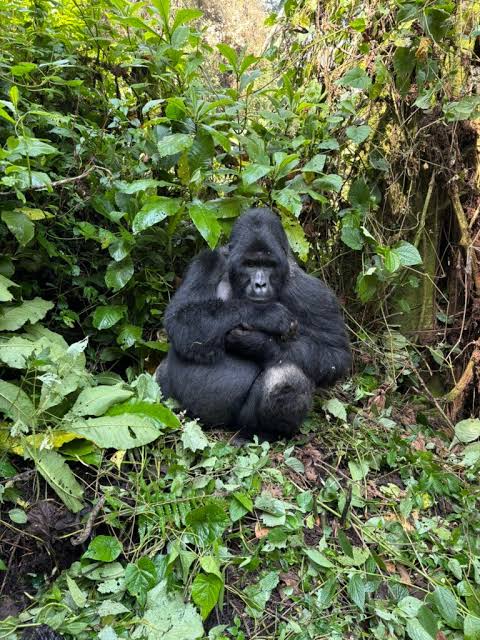
You have booked the permit, traveled to southwestern Uganda, stayed overnight near Bwindi and awakened before sunrise for one of the most anticipated wildlife experiences of your life.
Then an uncomfortable thought appears: What happens if you don’t find gorillas? It is a reasonable question. Mountain gorillas in Bwindi Impenetrable National Park are wild animals. They are not confined to enclosures, and they are not waiting beside a predictable tourist trail every morning. They move through the forest to feed, rest and nest. So can you trek all day and fail to see them?
Introduction
In theory, a wildlife encounter can never be treated like a zoo visit. In practice, the system used for gorilla trekking gives visitors a very high likelihood of finding their assigned habituated gorilla family because experienced trackers continuously monitor the groups and use signs from the previous day to locate them. Understanding how this system works can remove much of the anxiety surrounding your first gorilla trek.
Gorilla Trekking Is Tracking, Not Simply Walking to a Fixed Location
A mountain gorilla family does not live at a permanent viewing platform. There is no cage. There is no guaranteed tree where the silverback sits each morning. Gorillas travel through their home ranges according to feeding opportunities, social behavior and other natural factors. One day they may remain relatively close to where they nested the previous evening.
Another day they may travel farther through difficult terrain. That is why the activity is called gorilla tracking or trekking. The journey is part of the experience.
How Do Rangers Know Where to Start Looking?
The search rarely begins from zero. Trackers and conservation teams have extensive knowledge of the habituated gorilla groups. A crucial starting point is the location where the family was last observed. Gorillas typically construct nests for sleeping, and evidence around previous nesting and feeding sites provides valuable clues. Trackers can then follow signs indicating the direction the gorillas traveled after leaving the area. Fresh vegetation, footprints, dung and feeding remains can all contribute to the picture. The process requires extraordinary familiarity with the forest.
Trackers Usually Go Ahead of Tourist Groups
When visitors are receiving their morning briefing, tracking activity may already be underway. Experienced trackers move into the forest and begin locating the assigned gorilla families. They communicate with ranger guides who are accompanying tourist groups. This creates a coordinated system. Your group is therefore not simply wandering through Bwindi hoping to bump into gorillas. The ranger may modify your direction based on information received from trackers ahead. That is one reason two groups beginning from the same sector can have completely different trekking experiences.
Why Does the Trek Sometimes Take Several Hours?
Because knowing where gorillas were yesterday is not the same as knowing precisely where they are now. Imagine finding last night’s nesting site. The gorillas are gone. Trackers then examine the surrounding vegetation and determine which direction the family moved. Perhaps they descended into a valley. Then they fed for some time. They may have crossed a stream, moved uphill or changed direction. Every movement adds distance. The trackers must continually interpret increasingly recent signs until they close the gap. Meanwhile, your trekking group follows.
Fresh Signs Tell Trackers They Are Getting Closer
To an inexperienced visitor, the forest can look like endless vegetation. To a tracker, it contains information. A freshly broken stem can reveal recent feeding. Vegetation pressed down in a certain direction can indicate movement. Dung can provide clues about how recently gorillas passed through. Footprints may appear in soft soil. Sounds can eventually become important as well. Experienced trackers combine all of these signals rather than relying on a single clue.
Can Gorilla Families Move Very Far?
Yes. Mountain gorillas move as they search for food and respond to conditions within their environment. The distance varies. Some mornings a family may be located reasonably near the starting area. On another day, the same family may be much farther away. This explains one of the biggest variations in gorilla trekking. One traveler may say: “We trekked for only an hour before finding them.” Another may say: “We were in the forest for five hours.” Both experiences are completely plausible. Uganda Wildlife Authority advises visitors to be prepared for treks that may last several hours depending on gorilla movements and terrain.
Does a Long Trek Mean the Trackers Are Lost?
No. A longer trek does not necessarily mean anyone has lost the gorillas. It may simply mean the family moved a significant distance. Trackers are continually gathering evidence. Sometimes signs are straightforward. At other times gorilla movements require more investigation. Think of the process as narrowing down a moving location rather than following a permanent route.
What If the Gorillas Cross Into Difficult Terrain?
Then the trekking route may become more challenging. Gorillas do not select their feeding areas for tourist convenience. They may move down steep slopes, through thick vegetation or into valleys. Rangers and trackers evaluate the safest way to approach. Sometimes they need to open a temporary route through vegetation. This is why proper hiking boots, long trousers and a reasonable level of fitness are valuable. Hiring a porter can also make a major difference.
How Long Will Rangers Keep Searching?
A gorilla trek does not operate according to a simple one-hour hiking limit. Teams may continue tracking for a considerable period, depending on circumstances. This is why visitors are normally advised to carry water and food and to keep the day flexible. The duration can range from a relatively short outing to many hours in the forest. Avoid planning an important transfer or tightly scheduled activity immediately after the trek. Nature controls the timing.
Is Seeing Gorillas Guaranteed?
It is better to distinguish between an extremely high success rate and an absolute wildlife guarantee. No responsible operator should describe wild animals as if they were guaranteed appointments. Bwindi’s habituated gorilla groups are intensively monitored, however, and the combination of daily tracking, experienced staff and knowledge of gorilla movements makes unsuccessful treks uncommon.
This is very different from independently entering a large forest and hoping to find an unmonitored wild animal. You are following families whose movements are regularly observed by trained conservation teams.
What Could Cause a Group Not to Find Gorillas?
Several unusual circumstances could complicate tracking. The gorillas may have traveled unexpectedly far. Weather may make certain terrain difficult. An animal or group could change its normal ranging pattern. Operational or safety considerations can also influence how long or where trackers continue. These situations are exceptions rather than the typical gorilla trekking experience. Most visitors should prepare psychologically for uncertainty in the length and difficulty of the trek, rather than expecting uncertainty about whether gorillas will be located at all.
What About Heavy Rain?
Rain does not automatically cancel gorilla trekking. Bwindi is a rainforest. Rain is part of the environment. Gorillas remain in the forest during wet weather, and trackers continue working when conditions permit. The main difference for visitors is comfort. Trails can become muddy and slippery. Vegetation becomes wet. Visibility can occasionally become more difficult. Waterproof boots, a lightweight rain jacket and suitable hiking clothing are therefore important regardless of the season.
What If You Become Too Tired Before Reaching the Gorillas?
This is a more realistic concern for some visitors than the gorillas not being found. Trekking can involve steep terrain. If you have fitness or mobility concerns, communicate them before the trek begins. Park staff may consider practical factors during group assignments, although nothing can eliminate the unpredictability of gorilla movements. Hiring a porter is strongly recommended. A porter does much more than carry your backpack. On steep or muddy sections, they can offer a hand, help stabilize your footing and reduce the amount of energy you expend.
Can You Turn Back?
If you are physically unable to continue, you should tell your ranger guide immediately. Safety comes first. However, preparation can greatly reduce the likelihood of reaching that point. Train before your safari if possible. Walk regularly. Practice hills. Wear appropriate boots. Carry only essential equipment. Use a porter. Small decisions before the trek can significantly improve your experience inside the forest.
What Happens When the Trackers Finally Locate the Gorillas?
The atmosphere changes almost instantly. The ranger may receive a radio message or communicate with trackers nearby. Your group begins moving toward the location. As you get closer, you may be asked to prepare your camera and follow additional instructions. Walking sticks and larger bags may remain with porters at a designated point. Conversation becomes quieter. Then the trackers guide you through the final vegetation. Your first sighting may be obvious: an enormous silverback sitting in an opening. Or it may be subtle. A black shape behind leaves. A hand pulling vegetation. A face appearing between branches. After hours of searching, that moment can be extraordinarily rewarding.
Does Your Gorilla Viewing Time Include the Trek?
No. The trekking journey and the viewing period are different. For standard gorilla trekking, the regulated viewing period begins once the group reaches the gorillas and the encounter is formally underway. This means a long search does not normally mean that your hour is disappearing while you are still hiking toward them. The forest journey may take hours, followed by the controlled gorilla encounter.
Why Not Tell Tourists Exactly Where Gorillas Are and Drive Closer?
Because Bwindi is a protected ecosystem, not a safari park designed around vehicles. Mountain gorilla tourism must balance visitor access with conservation. Driving roads through gorilla habitat simply to reduce walking would fragment and damage the forest. The trekking system preserves the wilderness character of the habitat. Visitors enter on foot, accompanied by trained personnel, and adjust to the movements of the gorillas. That is precisely why the experience feels authentic.
The Uncertainty Makes the Encounter More Powerful
If you knew that your gorilla would be sitting at “Viewing Point Number Three” at exactly 10:15 AM, the experience would feel fundamentally different. Instead, you wake without knowing how long the trek will be. You enter the forest. You follow signs. You cross streams.
You climb slopes. Trackers move ahead.
Then suddenly the message arrives: They have found them. The uncertainty creates anticipation. The search gives context to the encounter. When you finally see the gorillas, you understand that you have entered their environment rather than simply visited an attraction created for humans.
How to Prepare Mentally
Do not begin your trek expecting a specific duration. Do not compare your morning with someone else’s. A friend may have found gorillas after forty-five minutes. Your group may trek for three hours. Neither experience is better.
Prepare for a long trek and appreciate a shorter one if it happens. Carry enough water. Take your packed lunch or snacks. Wear good footwear. Protect your camera from rain.
Hire a porter. Most importantly, enjoy the forest itself. Bwindi contains exceptional plants, birds, primates and landscapes, and the journey is more enjoyable when you see the trek as part of the experience rather than as an obstacle before the gorillas.
What Happens If You Don’t Find Gorillas?
The possibility is one that travelers naturally ask about, but Bwindi’s gorilla trekking system is designed around intensive tracking and daily knowledge of habituated families. The greater uncertainty is usually how long it will take to reach them, not whether anyone has any idea where they are. No ethical wildlife experience should pretend that wild animals are mechanically guaranteed.
But gorilla trekking differs from ordinary wildlife searching because trained trackers continually follow known habituated families and interpret evidence of their movements. So arrive prepared for unpredictability. You may walk through the forest for a short time. You may spend several demanding hours following trackers across Bwindi’s hills.
Then, when vegetation moves and the first mountain gorilla appears, the entire search suddenly becomes part of the story you will remember.
 Read

