


The morning of a gorilla trek in Bwindi feels different from almost every other morning on an African safari. There may be no roaring lions outside your lodge and no rush to reach the savannah before sunrise. Instead, you wake surrounded by misty mountains knowing that somewhere inside the enormous forest ahead, trackers are already preparing for your encounter with a mountain gorilla family.
A gorilla trekking day in Bwindi is difficult to predict precisely because the gorillas move freely through the forest. You may find them relatively quickly or spend several hours hiking through valleys and over forested ridges. Yet the general structure of the day is surprisingly organized. From breakfast and the ranger briefing to the moment you finally encounter the gorillas, here is what a typical day in Bwindi can look like.
Around 6:00 AM — Wake Up in Bwindi
Your alarm rings early. Outside, the hills may still be dark. Depending on where your lodge is located, you might hear birds beginning to call from the surrounding vegetation. This is not the morning to sleep late. Gorilla trekking briefings normally take place early, and arriving at the park headquarters on time is important.
Start by checking the weather. Bwindi is a tropical mountain environment where conditions can change rapidly. Even if the sky looks clear, your rain jacket should go into your backpack.
6:15–6:45 AM — Get Dressed for the Forest
Your clothing should be practical rather than fashionable. Long hiking trousers are recommended. Wear a lightweight long-sleeved shirt. Put on sturdy waterproof hiking boots with good grip. Long socks or gaiters can help protect your ankles.
Pack lightweight gardening or hiking gloves if you have them. You may occasionally need to hold vegetation or use your hands for balance. A hat can also be useful. Avoid carrying unnecessary items. Everything feels heavier after several hours of hiking.
Around 6:30–7:00 AM — Breakfast
Most lodges serving gorilla trekkers arrange an early breakfast. Eat properly. Even if you normally prefer a light breakfast, remember that you do not know how long your trek will take. Eggs, toast, fruit, porridge, tea or coffee are common options. Drink water but do not overdo it immediately before leaving.
Your lodge or safari guide will normally have arranged a packed lunch if your itinerary requires one. Check that you have it before departing.
7:00 AM — Final Equipment Check
Before leaving the lodge, check your backpack. Important items generally include:
Your passport and permit details may also be required depending on arrangements, so follow the instructions provided by your tour operator or guide. This is also the time to check your camera settings. You do not want your first gorilla photographs ruined because the camera is still configured for bright savannah conditions.
7:00–7:30 AM — Drive to the Trekking Headquarters
Your exact departure time depends on your lodge and trekking sector.
Bwindi has four principal gorilla trekking sectors: Buhoma, Ruhija, Rushaga and Nkuringo. Your gorilla permit is associated with a particular trekking location, which is why accommodation planning is important. Staying close to the correct briefing point avoids an unnecessarily stressful early-morning drive. As you travel toward headquarters, you may pass villages, cultivated hillsides and spectacular mountain scenery.
Then the forest appears. For many visitors, this is when the excitement becomes real.
Around 8:00 AM — Gorilla Trekking Briefing
At the trekking headquarters, visitors gather for registration and briefing. Park staff explain the rules of gorilla trekking and what to expect in the forest. Listen carefully even if you have already read about the rules online. You will be reminded about appropriate behavior around gorillas, photography, maintaining the required distance and following your guide’s instructions.
Visitors are then organized into trekking groups and assigned to habituated gorilla families. Several factors can influence assignments, including operational considerations and sometimes perceived fitness levels. If you have mobility concerns, inform your guide or park staff before assignments are finalized.
Meet Your Ranger Guide
Your ranger guide becomes one of the most important people during the day. He or she understands the forest, communicates with trackers and manages the group during the gorilla encounter. You may also be accompanied by ranger escorts. Before starting, your guide usually explains what is currently known about the gorilla family’s location. Remember that this is only an estimate.
The gorillas may have moved.
Hire a Porter Before Starting
This is an excellent time to hire a porter. Some visitors initially think they do not need one because their backpack is light. Two hours later, while climbing a muddy hill, that same backpack can feel considerably heavier. A porter can carry your bag and assist you through difficult terrain. Hiring porters also creates valuable income opportunities for communities surrounding Bwindi.
For many travelers, it is one of the best small investments they make during their gorilla safari.
Around 8:30 AM — Enter the Forest
Now the trek begins. Some groups walk directly from the briefing area. Others may drive a short distance to a trailhead depending on the location of the assigned gorilla family. The first part of the trek can sometimes pass through community land, farmland or relatively open forest before reaching denser vegetation. Your guide sets a manageable pace.
There is no prize for being the fastest trekker. The objective is for the group to reach the gorillas safely.
9:00 AM — Following the Trail
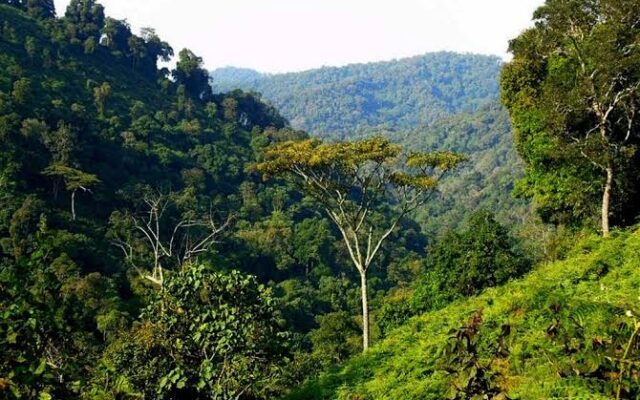
As you move deeper into Bwindi, the environment changes. The forest becomes cooler. Large trees rise overhead. Ferns cover the ground. Vines hang from branches.
Birds call from the canopy. You may cross streams or climb steep slopes. Your guide may stop occasionally to explain plants, wildlife or signs left by gorillas. Meanwhile, trackers are already ahead.
How Trackers Locate Your Gorilla Family
Trackers normally begin working before tourists reach the gorillas. They use information about where the family was seen previously and interpret signs in the forest. These can include nests from the previous night, footprints, dung, feeding remains and freshly broken vegetation. Communication between trackers and your ranger guide helps determine the direction your group should travel.
Sometimes the gorillas have remained relatively close to their previous location. Sometimes they have moved significantly. This is why no one can guarantee a precise trekking duration.
10:00 AM — The Trek May Become More Challenging
By now, you may leave wider trails and enter denser vegetation. This is where Bwindi earns its “Impenetrable” reputation. Branches cross your route. Vines hang across narrow openings. The slope becomes steeper.
After rain, mud can make footing difficult. Take your time. Use your walking stick. Accept help from your porter. There is no reason to exhaust yourself unnecessarily.
Then the Message Comes: The Gorillas Are Close
This is one of the most exciting moments of the entire experience. Your guide receives information from the trackers. The gorillas have been located. Suddenly everyone becomes more alert. Conversation becomes quieter.
The guide may ask you to leave walking sticks and larger bags with the porters at a designated point before approaching the gorillas. Take your camera and follow instructions carefully.
Your First Gorilla Encounter
The final few meters can be strangely confusing. You know the gorillas are close, but the vegetation still looks like an endless wall of green. Then a tracker points. At first you may see leaves. Then a black shape.
Then a face. Your brain suddenly recognizes what you are looking at. A mountain gorilla is sitting only a short distance away. For many travelers, this moment is far more emotional than expected.
The Gorilla Viewing Period
Once your group reaches the gorillas and the official viewing period begins, time seems to move very differently. You may watch an adult feeding quietly. A juvenile might climb through branches. A mother may sit with an infant. And somewhere nearby, an enormous silverback may be resting or feeding.
The gorillas largely continue their normal activities. Your ranger guides control the group’s position and remind visitors of the rules. Follow their instructions immediately.
What If a Gorilla Moves Toward You?
Gorillas do not understand tourism boundaries in the same way humans do. A gorilla may occasionally move closer than the recommended viewing distance. Do not run. Do not attempt to touch it. Stay calm and follow your guide’s instructions. Your guide may ask you to crouch, remain still or slowly adjust your position. These unexpected movements can become some of the most memorable moments of the trek.
Photography During Your Gorilla Encounter
Photography conditions can be challenging. The forest may be dark. The gorillas may be partly surrounded by vegetation. Light levels can change quickly. Avoid spending the entire encounter looking through your camera. Take photographs, but occasionally lower the camera and simply watch. You traveled a long way to experience this moment with your own eyes. Flash photography is not permitted around the gorillas.
The Viewing Time Ends
The end can feel surprisingly sudden. Your guide announces that it is time to leave. After hours or months of anticipation, the encounter is over. Visitors often look back repeatedly as they walk away. A gorilla may still be feeding.
A juvenile might disappear behind vegetation. Then the forest closes around them again.
The Walk Back
Your return trek can take a different route depending on the gorillas’ location. For some groups, the walk back is relatively short. Others still have a significant hike ahead. This is when your packed lunch and water become particularly welcome. The atmosphere is usually relaxed.
Everyone begins comparing photographs and discussing favorite moments. The pressure of finding the gorillas has disappeared.
Afternoon — Return to Headquarters
Eventually you emerge from the forest. Depending on the trek, this might happen before lunchtime or well into the afternoon. There is no fixed finishing time. This uncertainty should be considered when planning activities later in the day. Avoid scheduling something that requires you to finish your gorilla trek at a specific hour.
Gorilla Trekking Certificate
After completing the trek, visitors may receive a gorilla trekking certificate acknowledging their experience. It is a simple souvenir, but many travelers value it. After walking through Bwindi and spending time with mountain gorillas, the certificate represents a genuinely memorable achievement.
Return to Your Lodge
Back at the lodge, hiking boots come off. A shower suddenly feels luxurious. Lunch, tea or a cold drink is particularly satisfying after several hours in the forest. This is also when you finally have time to review your photographs properly. Many travelers spend the next hour repeatedly saying some version of: “I can’t believe we actually did that.”
Should You Plan Activities After Gorilla Trekking?
Keep the afternoon flexible. If your trek finishes early and you still have energy, you may be able to enjoy a community walk, cultural experience or relaxed afternoon around your lodge. But do not make an essential activity dependent on an early finish. The gorillas decide where they move. That uncertainty is fundamental to the experience.
What Makes a Gorilla Trekking Day in Bwindi Special?
It is not simply the hour spent near gorillas. The entire day contributes to the experience. Waking before sunrise. Seeing mist across Bwindi’s hills. Meeting trackers and rangers.
Walking deeper into an ancient rainforest. Searching for signs. Hearing that the gorillas have been found. Seeing your first silverback through the vegetation. And eventually returning exhausted, muddy and extremely satisfied.
A gorilla trekking day in Bwindi is an adventure with no completely predictable script. That is exactly why it remains one of Africa’s most extraordinary wildlife experiences.
 Read
