Introduction
Seeing mountain gorillas for the first time is exciting, but understanding how gorilla families are organized makes the encounter much more meaningful. Every habituated gorilla family in Bwindi functions as a complex social group led by a dominant silverback. Within that family are mothers, babies, juveniles, subadult males, and younger females, all interacting through strong social bonds.
This guide explains mountain gorilla family structure and what visitors observe during gorilla trekking.
What Is a Gorilla Family?
A gorilla family is a stable social group living together within a shared home range. Family sizes vary from a few individuals to over twenty members.
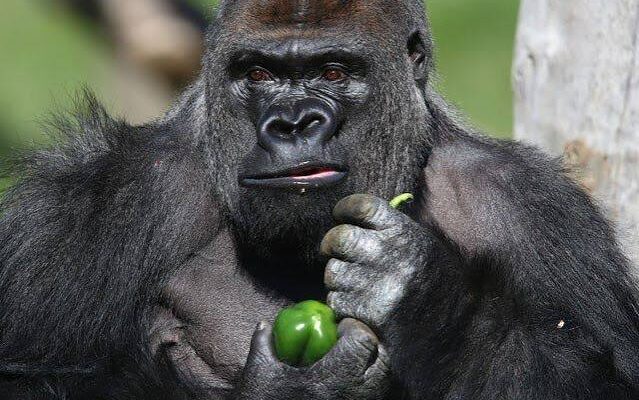
The Dominant Silverback
The silverback is the leader. Responsibilities include:
Why Is He Called a Silverback?
Adult males develop a silver-gray patch across their backs around age 12–15. This signals maturity and leadership.
Adult Females
Females spend much of the day feeding, caring for infants, and maintaining social relationships. Several females may belong to one silverback.
Baby Gorillas
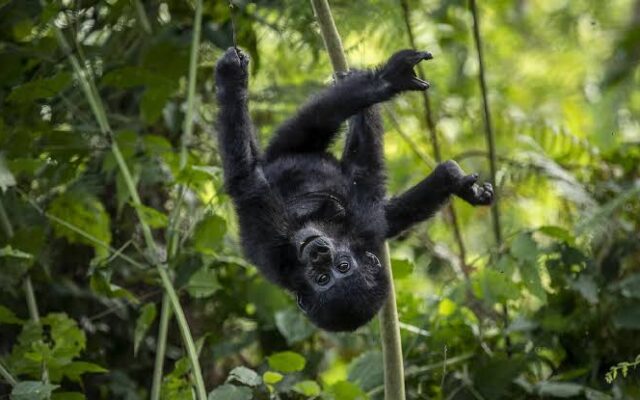
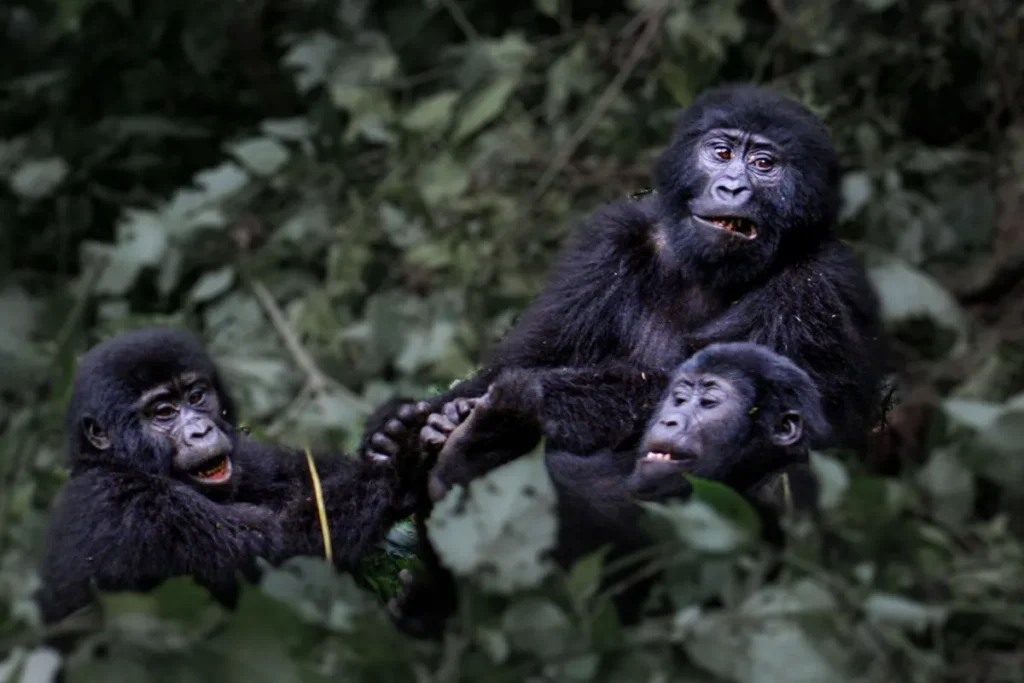
Infants are incredibly playful. For the first months they remain close to their mothers. Visitors often see babies climbing over adults.
Juveniles
Juveniles become adventurous explorers. They wrestle, climb trees, and practice adult behaviors.
Blackbacks
Young adult males without silver backs are called blackbacks. Some eventually leave to form their own families.
How Families Grow
Families grow through births and occasionally through females joining new groups.
Grooming and Social Bonds
Gorillas groom less than chimpanzees but still maintain close contact through touching and resting together.
How Silverbacks Protect Babies
Silverbacks are surprisingly gentle around infants. They tolerate climbing, pulling, and playful interactions.
Family Communication
Communication includes:
Chest Beating Explained
Chest beating is communication—not always aggression. It can signal location, confidence, or excitement.
Family Movement
Silverbacks usually initiate travel. The group follows through the forest.
Conflict Between Families
Encounters between families are uncommon but can involve displays or fights between males.
Mothers Raise Young Together
Females sometimes babysit nearby infants while mothers feed.
Twins in Gorillas
Twin births are extremely rare.
Life Cycle of a Gorilla
Infant. Juvenile. Subadult. Adult female or blackback. Silverback.
What Visitors Notice Most
Many visitors are surprised by:
Famous Gorilla Families in Bwindi
Bwindi has multiple habituated families across Buhoma, Rushaga, Ruhija, and Nkuringo sectors. Each has unique personalities and histories.
Why Family Structure Matters for Conservation
Healthy family groups indicate successful reproduction and long-term survival of mountain gorillas. Monitoring births helps conservationists track population recovery.
Conclusion
Understanding mountain gorilla family structure transforms a gorilla trek into a deeper wildlife experience. Every interaction between a silverback, mother, juvenile, and infant tells part of the remarkable story of one of the world’s closest living relatives.
 Read
Read