
Impala FAQs and Answers — quick answers on biology, pronking behaviour, Lake Mburo viewing, Queen Elizabeth circuit combinations, and safari planning. Explore where to see impala, behaviour, best time to visit, and safari experiences.
- What is an impala?
The impala (Aepyceros melampus) is a medium-sized African antelope known for its glossy reddish coat, black tail markings, lyre-shaped horns on males, and spectacular pronking leaps. In Uganda, impala are found only in Lake Mburo National Park — the country's sole naturally occurring wild population.
- Where can I see impala in Uganda?
Lake Mburo National Park is the only reliable destination for wild impala in Uganda. Game drives on Kazuma, Rwonyo, and hill circuits deliver herds within minutes of entering the park. Most itineraries combine Mburo with Queen Elizabeth on western circuits — see our where to see impala guide.
- Are there impala in Queen Elizabeth National Park?
Queen Elizabeth does not hold a resident impala population. Uganda's impala live at Lake Mburo. However, the Ishasha sector's woodland savannah margins are structurally similar to impala habitat, and safari routes linking Ishasha tree-climbing lions with Lake Mburo are among the most popular western circuits.
- What is pronking?
Pronking (or stotting) is the stiff-legged, vertical leap impala perform when alarmed or fleeing predators. Animals can jump up to three metres high and clear bushes without slowing down — one of the most iconic sights on a Lake Mburo game drive. More on our impala behaviour page.
- What do impala eat?
Impala are mixed feeders — they graze short green grasses after rains and browse acacia leaves, shoots, fruits, and pods when grasses dry. At Lake Mburo, Brachiaria grasses and acacia browse dominate. Full detail on our impala diet page.
- How big is an impala?
Males stand roughly 75–92 cm at the shoulder and weigh 50–65 kg. Females are smaller at 70–85 cm tall and 40–55 kg. Only males carry the distinctive ringed, lyre-shaped horns.
- How fast can impala run?
Impala can sprint at speeds approaching 90 km/h over short distances. Their pronking leaps add an extra dimension of escape behaviour that confuses many predators.
- Are impala endangered?
Globally, impala are classified Least Concern with around two million animals across Africa. In Uganda, they are locally abundant at Lake Mburo but nationally restricted to that ecosystem — making park protection especially important. See our conservation page.
- What predators hunt impala in Lake Mburo?
Leopard and spotted hyena are the most consistent impala predators at Lake Mburo. Lion occur occasionally. Jackal and martial eagles take calves. The lighter predator load compared with larger parks partly explains high impala numbers.
- When is the best time to see impala?
Impala are visible year-round at Lake Mburo. Dry seasons (June–September and December–February) offer the easiest game drives and rut activity. Dawn and late afternoon are the best times of day. See best time to see impala.
- How do impala differ from Uganda kob?
Impala males defend territories around female harems during the rut. Uganda kob use lek breeding on traditional display grounds. Impala occur only at Lake Mburo in Uganda; kob dominate Queen Elizabeth, Murchison, and Kidepo plains.
- Can I see impala on a walking safari?
Yes — Lake Mburo is one of the few Uganda parks offering guided walking safaris where Uganda Wildlife Authority permits. Walking among impala and zebra at ground level is a highlight Mburo experience not available in most larger savannah reserves.
- How long is impala pregnancy?
Gestation lasts roughly six to seven months, producing a single calf. Calving often clusters after rainy periods when fresh grass supports lactating females.
- What habitat do impala prefer?
Woodland–savannah ecotones — acacia grasslands, lake shores, and lightly wooded plains within reach of water. Lake Mburo's acacia mosaic is textbook impala country. Full ecology on our habitat guide.
- Do impala live in herds?
Yes. Female herds with young are the most common sight. Bachelor males form separate groups, and territorial males hold harems during the breeding season. Herds of dozens are typical on Lake Mburo drives.
- Which Uganda safaris include impala viewing?
Any itinerary visiting Lake Mburo National Park includes impala. Classic routes pair Mburo with Bwindi gorilla trekking and Queen Elizabeth. Browse impala safaris and Uganda safari packages.
- Can I combine gorilla trekking with impala safaris?
Absolutely — one of Uganda's strengths. A typical circuit runs Kampala → Lake Mburo (impala) → Bwindi (gorillas) → Ishasha (lions) → Queen Elizabeth. Most 7–10 day western itineraries include Mburo as the savannah opener.
- How far is Lake Mburo from Kampala?
Lake Mburo is roughly 240 km southwest of Kampala — about three to four hours by road via Masaka and Mbarara. This makes it Uganda's most accessible savannah park and the easiest impala day trip from the capital.
- What is the scientific name of the impala?
Aepyceros melampus — the only species in its genus, belonging to the family Bovidae and tribe Aepycerotini. Uganda's animals are the common impala subspecies A. m. melampus.
- How can tourists help impala conservation?
Visit Lake Mburo on licensed safaris, pay official park fees, follow track rules, and choose operators supporting Uganda Wildlife Authority management. Tourism revenue funds rangers who protect the only impala population in Uganda. More on our conservation page.
Safari packages to see Impala
Bookable itineraries below include parks and activities where you are most likely to encounter Impala in the wild.
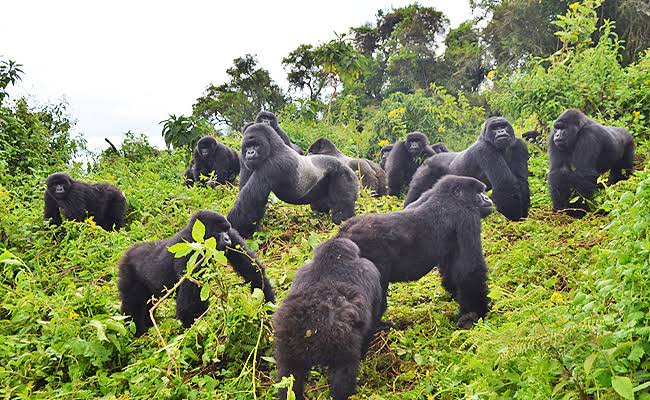
Guide and planning information: 8 Day Uganda Rwanda Gorilla & Wildlife Safari.
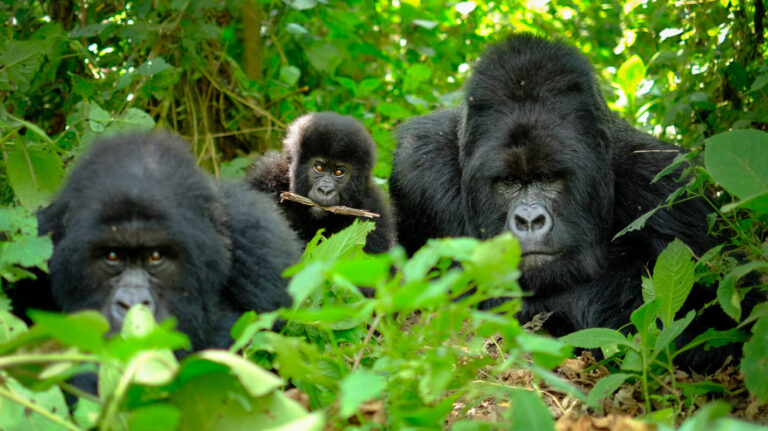
Guide and planning information: 10 Day Best of Rwanda Gorilla Safari.
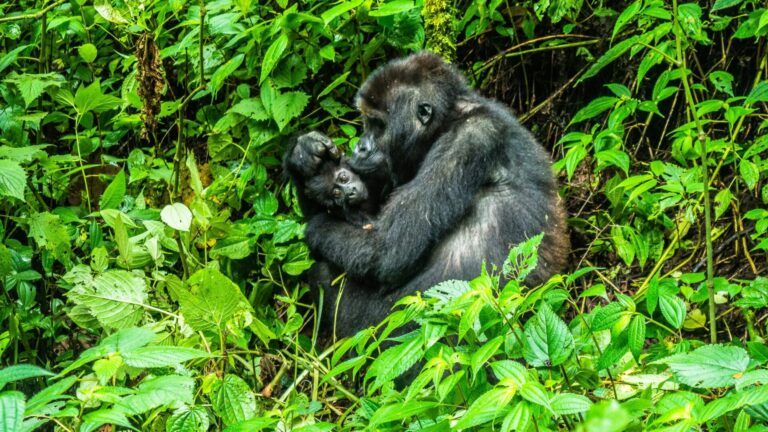
Guide and planning information: 9 Day Rwanda Gorilla & Wildlife Safari.
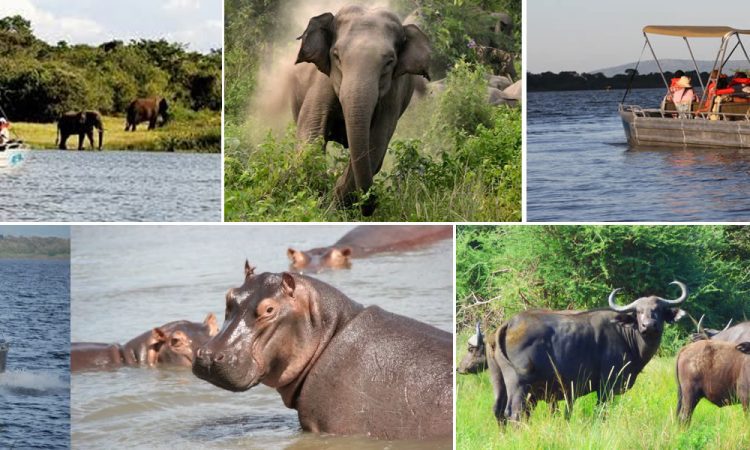
Guide and planning information: 8 Day Rwanda Gorilla Chimp & Akagera Safari.