
Introduction
A well-planned stay of three or four nights provides time to explore the forest more slowly, enjoy the surrounding highlands and understand the relationship between wildlife conservation and communities around the national park.
1. Go Gorilla Trekking
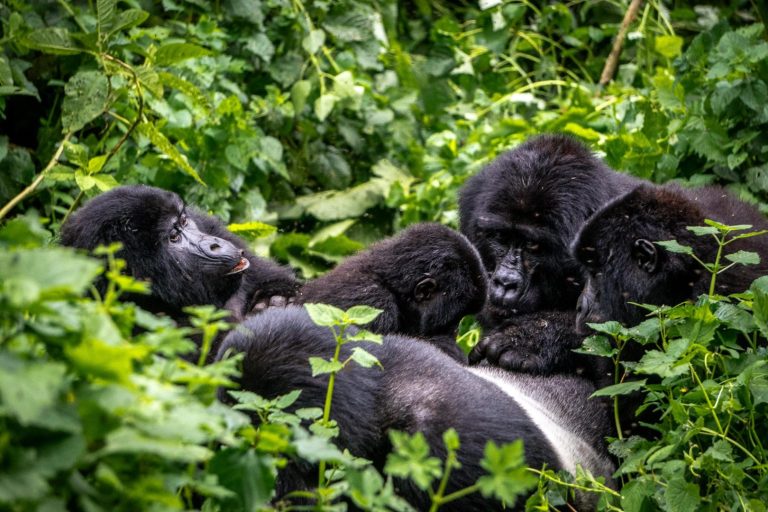
Gorilla trekking is the most important activity in Bwindi. Visitors enter the forest with trained guides and rangers in search of a habituated mountain gorilla family. The trek itself varies considerably.
On some days, gorillas may be reached after a relatively manageable walk. On others, the search can involve several hours of hiking through steep, muddy and densely vegetated terrain. Once the gorillas are located, visitors observe them under controlled park regulations.
- a silverback resting
- adult females feeding
- mothers carrying infants
- juveniles playing
- young males interacting; and - the family moving through vegetation
The unpredictability of the experience is part of its appeal.
2. Explore Different Gorilla Trekking Sectors
Bwindi is divided into several major tourism sectors:
- Buhoma
- Ruhija
- Rushaga; and - Nkuringo
3. Take a Guided Forest Walk
A guided forest walk is one of the best things to do in Bwindi after gorilla trekking. On trekking day, the focus is understandably on finding gorillas. A dedicated nature walk allows you to slow down and concentrate on the ecosystem itself.
Your guide may point out:
- trees
- medicinal plants
- butterflies
- monkeys
- forest birds
- animal tracks
- streams; and - signs of smaller mammals
A forest walk can therefore reveal details that are easy to overlook during the excitement of a gorilla trek.
4. Go Birdwatching
Bwindi is one of Uganda's most important birding destinations. The forest lies within the Albertine Rift region and supports an exceptional variety of forest birds. Serious birdwatchers often spend several days here.
Ruhija is especially well known for specialist high-elevation birding, while Buhoma also offers excellent opportunities. Visitors may search for colorful turacos, sunbirds, hornbills, greenbuls, flycatchers, robins and numerous forest specialists.
Birding in Bwindi requires patience because dense vegetation can make birds difficult to see. A specialist guide is extremely useful.5. Discover the Mubwindi Swamp Area
Travelers with a strong interest in birdwatching may consider excursions associated with the Mubwindi Swamp area on the Ruhija side of Bwindi. The hike can be physically demanding. It is therefore best suited to travelers who are comfortable walking through steep forest terrain.
For serious birders, the area is particularly interesting because it provides access to specialised habitats and important Albertine Rift species. Allow enough time rather than treating it as a quick activity.
6. Join a Community Experience
The villages around Bwindi are an important part of the destination. Community-based experiences can help visitors understand:
- farming
- local food
- traditional skills
- crafts
- village livelihoods; and - the connection between tourism and conservation
Choose programs that provide genuine economic benefit to participating communities. The most meaningful experiences are interactive and educational rather than staged purely for photographs.
7. Learn About Batwa Heritage
Batwa communities have a long historical relationship with forest environments in this region. Cultural experiences can provide insight into traditional knowledge, forest history and the consequences of changes in protected-area access. Visitors should approach these programs respectfully.
8. Take a Scenic Highland Walk
The landscapes surrounding Bwindi are spectacular. The forest is bordered by steep cultivated hills, valleys and villages. Guided walks through appropriate areas around the park can provide outstanding views and opportunities to photograph rural southwestern Uganda.
These experiences work particularly well on an afternoon when travelers want something less physically demanding than another full forest activity.
9. Photograph Bwindi's Landscapes
Photography opportunities extend well beyond the gorillas. Travelers can photograph:
- misty hills
- rainforest canopy
- sunrise over valleys
- mountain villages
- birds
- butterflies
- forest streams; and - lodge views
Weather can change rapidly, producing dramatic lighting. Morning mist can be especially atmospheric. Photographers should protect equipment against rain even when the day begins clear.
10. Spend Time at Your Forest Lodge
Not every safari hour needs to involve a formal activity. Many Bwindi lodges occupy beautiful positions overlooking forest or highland scenery. A relaxed afternoon can provide opportunities to:
For honeymooners and older travelers, scheduling some lodge time can greatly improve the overall safari experience.
11. Hire a Specialist Bird Guide
Travelers with a serious interest in birds should consider a dedicated specialist guide rather than relying only on general wildlife knowledge. Forest birding is technically demanding. A specialist can recognise birds by:
- calls
- habitat
- movement patterns; and - subtle visual characteristics
This can dramatically increase the number and quality of sightings.
12. Learn About Gorilla Conservation
Gorilla trekking becomes more meaningful when visitors understand how conservation works. Guides can explain:
- gorilla habituation
- ranger monitoring
- health precautions
- anti-poaching work
- community involvement; and - tourism management
13. Use a Porter During Gorilla Trekking
Hiring a porter may seem like a practical service rather than an activity, but it can contribute significantly to the quality of your day.
- water
- camera equipment
- packed lunch
- rain gear; and - personal items
14. Combine Bwindi With Queen Elizabeth National Park
One of the best ways to expand your Bwindi visit is to combine it with classic savannah wildlife. Queen Elizabeth National Park provides a completely different environment. Travelers can enjoy:
- game drives
- elephants
- buffaloes
- antelopes
- predator searches; and - a Kazinga Channel boat safari
15. Combine Bwindi With Kibale National Park
16. Combine Bwindi With Mgahinga Gorilla National Park
Travelers spending additional time in southwestern Uganda can include Mgahinga. Mgahinga provides:
This is especially appealing for travelers interested in primates and highland scenery.
17. Enjoy Local Food Experiences
How Many Days Do You Need for Bwindi Activities?
A basic gorilla visit may require two nights: Day 1: Arrive Day 2: Gorilla trekking Day 3: Depart A better three-night stay could involve:
Best Time for Activities in Bwindi
Bwindi can be visited throughout the year. Relatively drier periods are popular because walking conditions may be easier. Wetter periods create:
- lush vegetation
- dramatic mist
- greener landscapes; and - excellent rainforest atmosphere
Rain should be expected at any time. Pack waterproof clothing and good hiking boots regardless of month.
What to Pack
For most Bwindi activities, useful items include:
- - hiking boots; - rain jacket; - long trousers; - long-sleeved shirt; - binoculars; - camera; - insect repellent; - water; - daypack; - light warm layer; and - personal medication.
- Birders should prioritise good binoculars. Photographers should bring waterproof protection for equipment.
Frequently Asked Questions
What is the main activity in Bwindi?
Gorilla trekking is the flagship activity and the main reason most international visitors come to Bwindi.
Is there anything to do besides gorilla trekking?
Yes. Birdwatching, forest walks, community experiences, photography and highland exploration are all worthwhile.
How many nights should I stay?
Three nights provide a much richer experience than a basic two-night gorilla visit.
Can I visit different Bwindi sectors?
Yes, but transfers between sectors can take time, so movement should be planned carefully.
Is Bwindi good for birdwatching?
Yes. It is one of Uganda's leading forest birding destinations.
Can Bwindi be combined with a wildlife safari?
Yes. Queen Elizabeth National Park is one of the easiest and most rewarding combinations.
Choosing the Best Things to Do in Bwindi
The best things to do in Bwindi depend on why you are travelling. For first-time visitors, gorilla trekking should normally remain the priority.
Birdwatchers should add a specialist forest excursion. Photographers benefit from extra time around the forest and surrounding hills. Travelers interested in culture should include a responsible community experience.
Most importantly, avoid treating Bwindi as a destination where you arrive late, trek the next morning and leave immediately. The mountain gorillas are extraordinary, but the destination has much more to offer. With an additional day or two, Bwindi becomes a complete rainforest experience involving wildlife, birdlife, forest landscapes, local communities and conservation—not simply one memorable hour with gorillas.