
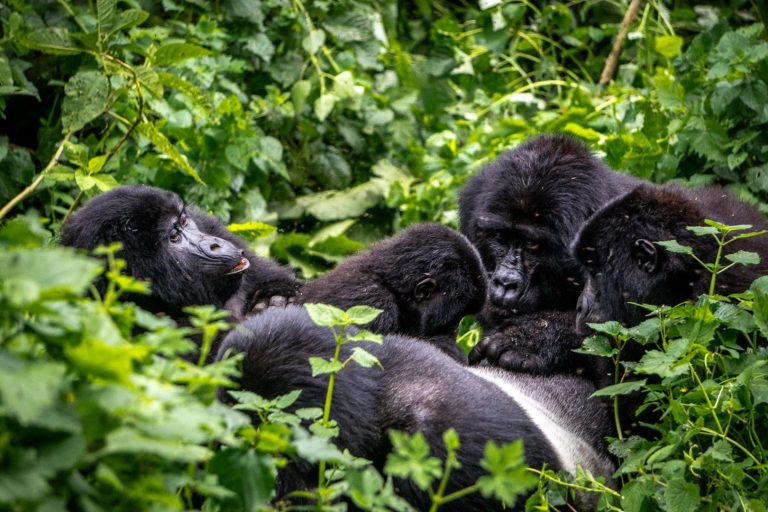
The park lies in southwestern Uganda in a mountainous tropical forest environment. Rain can occur during any month, even during periods commonly described as dry seasons.
Introduction
For most travelers, the relatively drier periods around June to August and December to February are especially popular because forest trails may be less muddy and road conditions can be easier.
However, wetter months also have advantages, including lush vegetation, atmospheric forest scenery and potentially lower visitor pressure.
Can You Visit Bwindi Throughout the Year?
Bwindi is open to tourism year-round, and gorilla trekking takes place throughout the year subject to park operations and permit availability. There is no month when the forest suddenly stops being suitable for gorillas. The main seasonal differences concern:
- rainfall
- trail conditions
- visitor demand
- landscape appearance
- photography
- birding
- road conditions; and - accommodation availability
The best month therefore depends on the type of traveler you are.
June to August: Popular Dry-Season Travel
June, July and August are among the most popular months for visiting Bwindi. Rainfall is generally lower than during the major wet periods, although showers remain possible. Advantages may include:
- firmer trekking trails
- easier road access
- comfortable combinations with other Uganda parks
- strong general safari conditions; and - convenient timing for Northern Hemisphere summer holidays
December to February: Another Good Trekking Period
December, January and February are also commonly considered attractive months for visiting Bwindi. These months often provide relatively drier conditions and can work well for travelers escaping winter elsewhere.
March to May: Wetter Forest Conditions
March, April and May generally form one of Uganda's wetter periods. April is often particularly rainy. Gorilla trekking still operates, but visitors should expect:
- muddier trails
- slippery slopes
- heavier rainfall
- more difficult hiking conditions; and - potentially challenging road sections
The advantage is that the forest can be extremely lush and atmospheric. Travelers comfortable with rain may enjoy a quieter safari atmosphere. Photographers can also benefit from dramatic mist, wet vegetation and softer forest light.
September to November: Second Wetter Period
Rainfall generally increases again during September, October and November. Conditions vary from year to year. Some days may involve heavy showers, while others remain relatively pleasant. Trekkers should prepare carefully with:
- waterproof boots
- rain jackets
- quick-drying clothing
- gaiters where preferred; and - protection for cameras
Visitors who are not concerned about mud can still have an excellent gorilla experience.
Best Time for Gorilla Trekking
For travelers whose main concern is trail comfort, the relatively drier months are generally preferred. However, it is important to understand that gorilla trekking difficulty is influenced by much more than rainfall. The gorillas move through the forest every day.
A trek in July could still involve several hours of steep hiking, while a trek in a wetter month might locate the gorillas relatively quickly. Season affects conditions but does not determine the length of the trek.
Best Time for Photography
There is no universally perfect photography season. Drier months can make equipment management easier and may reduce the risk of heavy rain during the encounter. Wetter periods may provide:
- deeper green vegetation
- dramatic mist
- cloud-filtered light
- atmospheric landscapes; and - fewer dusty conditions
Forest photography always involves limited light. Photographers should bring suitable equipment and protect it from moisture throughout the year.
Best Time for Birdwatching
Bwindi is an exceptional birding destination, particularly for travelers interested in Albertine Rift species. Birding conditions vary seasonally, and some periods may offer additional migratory interest.
Serious birders often benefit more from spending additional days in the park than from trying to identify one universally superior month. A dedicated birding guide can also significantly improve the experience.
Best Time for a Honeymoon
Honeymooners often favour relatively drier periods because easier trekking conditions and clearer road travel can make the itinerary more comfortable. However, the best honeymoon dates are usually determined by the wedding.
Best Time for Families
Families travelling with eligible teenagers may be restricted by school holidays. June to August and December holiday periods can therefore be practical. These are also popular travel periods, making early permit booking essential.
Best Time for Budget Travelers
Travelers looking for better accommodation value may consider periods outside the busiest travel months. Some lodges may offer more attractive pricing or better availability during lower-demand periods. However, gorilla permit pricing follows official policies and should be confirmed separately.
Budget travelers should compare complete safari costs rather than assuming every component becomes cheaper during wetter months.
Month-by-Month Guide to Bwindi
January
Often relatively dry and suitable for trekking. Good for combining Bwindi with a wider Uganda safari.
February
Generally another popular trekking month with relatively manageable conditions.
March
Rainfall starts increasing. Trails may become wetter, but trekking remains possible.
April
Often one of the wettest months. Expect mud, rain and more challenging forest conditions.
May
Still relatively wet, though conditions may begin changing as the month progresses.
June
Start of a popular drier travel period. Good for trekking and longer safaris.
July
One of the most popular months. Early booking is strongly recommended.
August
Popular for international summer travel and generally good for combined Uganda safaris.
September
Rainfall may begin increasing, but conditions can vary considerably.
October
Often wetter, with muddy trekking conditions possible.
November
Rain can remain frequent, but the forest is exceptionally green.
December
Conditions often become relatively drier, particularly later in the month, while holiday demand increases.
Weather Is Never Guaranteed
Travelers should avoid treating seasonal descriptions as guarantees. Climate patterns vary from year to year. A traditionally dry month can receive unexpected rain.
Does Rain Stop Gorilla Trekking?
Normal rainfall does not automatically stop the activity. Visitors should expect trekking to continue during wet conditions. The forest itself exists because of substantial rainfall, and gorillas live in these conditions year-round.
Bring appropriate clothing rather than expecting the park to provide dry weather on demand.
Packing for Any Season
Regardless of travel month, bring:
- - hiking boots; - long trousers; - long-sleeved shirts; - waterproof jacket; - gloves; - comfortable socks; - insect repellent; - sunscreen; - camera protection; - daypack; and - water.
- A warm layer is useful for cool highland mornings and evenings.
Combining Bwindi With Queen Elizabeth National Park
The drier months are popular for combining Bwindi with Queen Elizabeth National Park. Travelers can enjoy game drives and a Kazinga Channel boat safari before continuing into the rainforest. However, this route remains possible throughout the year.
Road conditions and weather simply require greater flexibility during wetter periods.
Combining Bwindi With Kibale
Visitor Numbers and Permit Availability
The busiest months generally require more advance planning. If you are travelling in July, August, Christmas, New Year or other popular periods, secure permits and accommodation early. Travelers who can shift their dates may have greater flexibility outside peak periods.
Frequently Asked Questions
What is the best month to visit Bwindi?
There is no single best month. June to August and December to February are popular because conditions are often relatively drier.
Can I trek gorillas in April?
Yes, but April can be very wet and trails may be muddy and slippery.
Does it rain in July?
Yes. Rain can occur at any time in Bwindi.
Are gorillas easier to find during the dry season?
Not necessarily. Gorilla movements vary daily.
Is rainy-season trekking worth it?
Yes, particularly for visitors comfortable with mud and rain who value lush scenery and potentially quieter conditions.
When should I book permits?
As early as practical if travelling in popular months or on fixed dates.
Choosing the Best Time to Visit Bwindi
For most visitors, the best time to visit Bwindi is the period that best fits their overall Uganda itinerary. Choose June to August or December to February if you prioritise relatively drier trails and popular safari conditions.