
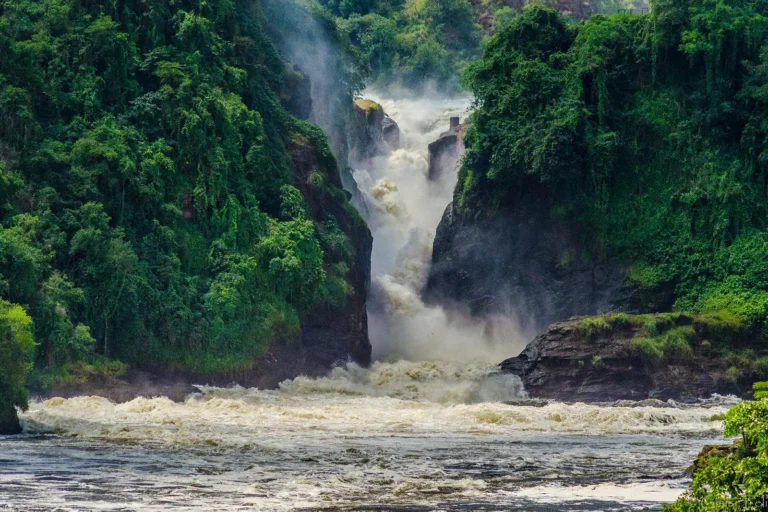
A safari in Akagera can include game drives, boat excursions, birdwatching and opportunities to observe some of Africa's most recognizable large mammals. Travelers may encounter elephants, buffaloes, giraffes, zebras, antelopes, hippos and numerous other animals as they explore the park.
Introduction
Why Choose an Akagera Wildlife Safari?
Akagera is particularly attractive because it is relatively easy to combine with Kigali and Rwanda's other tourism regions.
Once inside the park, visitors experience broad savannah areas, wooded valleys, wetlands and lakes. This habitat diversity is one reason Akagera supports such a wide variety of wildlife.
Rather than being a single flat grassland ecosystem, the park contains several environments that produce different wildlife encounters.
Elephants in Akagera
Elephants are among the most impressive animals visitors may encounter during Akagera wildlife safaris. These large mammals move through different habitats depending on food, water and seasonal conditions. They may be seen browsing woodland vegetation, crossing roads or gathering near water.
Watching elephants in a natural environment can be one of the most memorable parts of an Akagera safari. Responsible guides maintain appropriate distances and avoid blocking the animals' movement.
Allowing elephants to behave naturally often results in far more interesting observations than attempting to approach them too closely.
Giraffes
Giraffes are another popular Akagera species. Their height makes them relatively easy to spot in open landscapes and woodland edges. Visitors may watch them browsing trees or moving slowly across grasslands.
Giraffes also create excellent photographic opportunities because their distinctive silhouettes stand out against Akagera's rolling hills. Early morning and late afternoon usually provide the most attractive light for photography.
Zebras
Zebras add the unmistakable character of an East African savannah to Akagera. They can often be found grazing in open areas and may occur alongside other herbivores. Their highly recognizable patterns make them particularly popular with first-time safari visitors and families.
Buffaloes
African buffaloes are another major component of Akagera's wildlife. Visitors may encounter groups near grassland or water sources. Buffaloes are powerful animals and can be unpredictable, so respectful vehicle positioning is important.
From a safari vehicle, travelers can safely observe herd behavior, feeding and movement. They are especially impressive when seen in larger groups.
Antelopes and Other Herbivores
Akagera supports several antelope species and other grazing or browsing mammals. These animals form a crucial part of the ecosystem and provide food for predators.
Although travelers often begin a safari focused on the largest mammals, antelopes quickly become interesting once guides explain differences in appearance, habitat preference and behavior. Observing how various herbivores share the landscape gives visitors a better understanding of the park's ecology.
Predators in Akagera
Predators are an exciting element of an Akagera wildlife safari. However, locating them requires patience. Large carnivores often rest for significant portions of the day, particularly when temperatures rise.
Morning and late-afternoon game drives can therefore be productive times to search. Experienced guides look for tracks, prey behavior and recent sightings when choosing where to explore. Wildlife is never staged, so predator sightings cannot be guaranteed on every outing.
That uncertainty is part of an authentic safari experience.
Hippos
Akagera's lakes and wetlands provide excellent habitat for hippos. These large aquatic mammals spend much of the day in water. A boat safari can provide particularly good opportunities to watch them surfacing, resting in groups and interacting.
Hippos may also occasionally be encountered near shorelines during game drives. Visitors should always observe them from a safe distance because they are extremely powerful wild animals.
Crocodiles
Crocodiles inhabit the park's aquatic environments. They may be seen resting along shorelines or moving through the water. Their ability to remain almost motionless and blend into the environment can make them difficult to spot.
Boat guides often help visitors locate crocodiles that would otherwise be overlooked. Seeing crocodiles and hippos from the water creates an experience completely different from a terrestrial game drive.
Birdlife in Akagera
Birdwatching is an important part of Akagera wildlife safaris. The combination of wetlands, lakes, woodland and open savannah supports a broad diversity of species. Water-associated birds can be observed around lakes, while grassland and woodland areas produce entirely different bird communities.
Raptors may also be seen soaring above the landscape. Visitors with a specialist interest should bring binoculars and consider arranging an experienced birding guide. Even general safari travelers often discover that birdlife becomes one of the unexpected highlights of their visit.
Morning Game Drives
Early morning is one of the best periods for wildlife viewing. Temperatures are cooler, and many animals are active before the midday heat develops. Predators may also be more active during these hours.
Photographers benefit from softer morning light and fewer harsh shadows. Starting early allows travelers to cover substantial ground before returning to the lodge for breakfast or lunch.
Afternoon Game Drives
Late afternoon offers another productive wildlife-viewing period. As temperatures begin to fall, animals may become more active. The warmer evening light can create beautiful photographic conditions.
A late-afternoon drive also provides opportunities to watch the landscape change toward sunset. Visitors staying for two or more nights can combine morning and afternoon drives to experience different areas of the park.
Akagera Boat Safaris
A boat excursion is one of the best additions to an Akagera wildlife itinerary. Instead of viewing animals entirely from a vehicle, travelers move onto the water and explore lakeshore ecosystems. Hippos, crocodiles and numerous birds become the primary attractions.
Wildlife sometimes approaches the shoreline to drink, creating additional opportunities. The quieter pace also provides a welcome break from extended hours inside a safari vehicle.
Best Time for Akagera Wildlife Safaris
Akagera can be visited throughout the year. Drier periods are generally good for wildlife viewing because animals may gather around permanent water and grass becomes shorter in some areas. Wet periods bring greener landscapes and can be excellent for birdwatching and photography.
How Many Nights in Akagera?
Two nights is a good starting point for most visitors. This provides time for an afternoon game drive after arrival, a longer wildlife-viewing day and potentially a boat safari. Three nights offer a more relaxed experience and are particularly worthwhile for wildlife enthusiasts, birdwatchers and photographers.
A single-night visit is possible but can feel rushed. Wildlife viewing improves when travelers have time to explore several sections of the park.
Akagera Accommodation
Accommodation options are available for different travel styles. The most important factor is choosing a property that works efficiently with planned activities. Early game drives are much easier when accommodation is well positioned.
Travelers should also consider whether meals, activities and park transfers are included in their safari package. Luxury accommodation can add comfort, but a strategically located mid-range property can also provide an excellent safari experience.
Akagera Wildlife Safaris and Gorilla Trekking
Akagera combines exceptionally well with mountain gorilla trekking. A Rwanda journey might begin in Kigali, continue to Akagera for two or three nights and then travel toward Volcanoes National Park.
Combining Akagera with Uganda
Akagera can also form part of a Rwanda-Uganda safari. After exploring the park and Kigali, travelers can continue toward Uganda for gorilla trekking in Bwindi or Mgahinga. A longer cross-border safari can include Lake Bunyonyi, Queen Elizabeth National Park and Kibale National Park.
This provides an impressive combination of savannah wildlife and primate experiences.
Are Akagera Wildlife Safaris Worth It?
Akagera is an excellent choice for travelers who want to experience more than Rwanda's famous primates. It adds open landscapes, game drives, boat safaris and classic African mammals to a journey that might otherwise focus primarily on forests.
For first-time visitors, this combination provides a much fuller picture of Rwanda's extraordinary ecological diversity.