
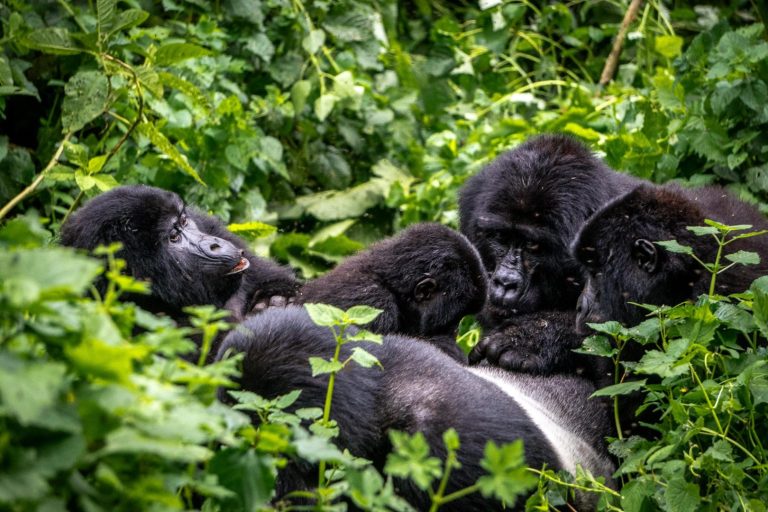
Introduction
Where Is Mgahinga Gorilla National Park?
Mgahinga Gorilla National Park is located in Kisoro District in southwestern Uganda. The park protects Uganda’s portion of the Virunga Mountains and includes Mount Muhabura, Mount Gahinga and Mount Sabyinyo. Kisoro town is the main urban center serving the park.
Getting to Mgahinga by Road
The most common way of getting to Mgahinga is by road. A private 4x4 safari vehicle is particularly convenient because it allows you to combine the journey with other national parks and scenic stops.
For comfort, many travelers break the journey with another destination.
Getting to Mgahinga From Entebbe
Entebbe is Uganda’s main international arrival point. Travelers landing at Entebbe International Airport can begin the road journey toward southwestern Uganda either immediately or after an overnight stay. A direct drive to Mgahinga is lengthy.
Getting to Mgahinga From Kampala
Kampala is also a common starting point for road safaris. The route generally heads southwest through central and western Uganda toward the highlands. The journey gradually changes from more urban and agricultural landscapes to increasingly mountainous terrain.
As you approach Kabale and Kisoro, the scenery becomes especially dramatic. Steep terraced hills, valleys and distant volcanic peaks characterize the final sections of the journey.
The Road Through Southwestern Uganda
Traveling by road is more than simply transportation. It allows visitors to see a wide cross-section of Uganda. You pass towns, farming areas and changing landscapes.
The southwestern highlands are particularly scenic. Road travelers can also stop for meals, photography or additional attractions depending on the itinerary. For first-time visitors, the road journey helps provide geographical context before arriving at the remote mountain park.
Getting to Mgahinga via Lake Mburo
Lake Mburo National Park can be a practical stop between central Uganda and Mgahinga. It lies along the broader southwestern route. Travelers can spend a night in the park and enjoy a game drive, nature walk or other wildlife activity before continuing toward Kisoro.
Getting to Mgahinga via Queen Elizabeth National Park
Another option is to approach Mgahinga after visiting Queen Elizabeth National Park. This is common on longer Uganda safaris. Travelers can enjoy game drives and boat safaris before continuing south toward Bwindi or Mgahinga.
The exact route depends on the other destinations included. This combination works particularly well for visitors who want both traditional safari wildlife and primates.
Getting to Mgahinga via Bwindi
Mgahinga and Bwindi Impenetrable National Park can easily be combined. Southern Bwindi trekking regions connect more naturally with Kisoro and Mgahinga than areas farther north. However, road travel is still influenced by mountainous terrain.
Straight-line distances can be misleading. Your safari itinerary should allow realistic driving times. If you are trekking gorillas in both parks, ensure that each permit matches the correct accommodation and transfer schedule.
Getting to Mgahinga by Air
Domestic flights can reduce the amount of time spent driving from Entebbe. Depending on current schedules, travelers may fly toward the Kisoro region and continue by road to the lodge or park. A fly-in safari is usually more expensive than a purely overland itinerary.
However, it can save a substantial amount of travel time. This is especially useful for visitors with limited vacation days.
Kisoro Air Access
Kisoro is the main aviation gateway for travelers flying toward Mgahinga. Once you arrive, a road transfer is still required. The transfer may take you to Kisoro town, Lake Mutanda, accommodation near Mgahinga or directly toward another destination.
Flight schedules can be affected by operational considerations and weather. Travelers should confirm current timings when booking.
Baggage on Domestic Flights
Domestic safari flights often have more restrictive baggage rules than international airlines. Travelers may need to use soft-sided bags and respect lower weight limits. This is important if your safari includes camera equipment or heavy hiking gear.
Getting to Mgahinga Through Rwanda
Mgahinga’s location near the Rwanda border makes a cross-border route possible. Some travelers fly internationally into Kigali and travel by road toward southwestern Uganda. This can be geographically shorter than driving from Entebbe.
However, border procedures, visas and vehicle arrangements must be taken into account. A route that looks shorter on a map is not automatically simpler.
Kigali as an Arrival Point
Kigali can be a practical gateway for travelers visiting both Rwanda and Uganda. After spending time in Kigali or Volcanoes National Park, visitors can continue toward Mgahinga subject to current immigration and border requirements. This route is especially appealing to travelers focusing on the Virunga region.
It can also reduce domestic road travel within Uganda.
Border Formalities
Cross-border travel should always be planned carefully. Visitors need the appropriate travel documents for both countries. Visa rules can change. Travelers should confirm:
Do not rely on outdated travel forum advice. Use current official information and guidance from your operator.
Getting to Mgahinga From Kisoro
Once in Kisoro, the park is relatively close. Travel time depends on your exact lodge and the activity meeting point. Most travelers use private transport arranged by their safari operator or accommodation.
Kisoro is also a good place to purchase small supplies before entering more remote areas. The town has shops, banks and other services.
Should You Stay in Kisoro or Near the Park?
Both options can work. Staying in Kisoro may be cheaper and provides easy access to town services. Staying near the park reduces the morning transfer.
Why Arrive the Day Before Gorilla Trekking?
Gorilla trekking begins early. Visitors need to register and attend a briefing before entering the forest. Arriving from a distant destination on the same morning is risky.
Road Conditions
Most major roads in Uganda have improved significantly over time, but final sections near remote destinations can still vary. Rain may make some roads slower. A 4x4 safari vehicle is useful, particularly during wet seasons or when combining several remote parks.
Local drivers understand the road network and seasonal conditions. This knowledge is valuable in southwestern Uganda.
Driving During the Wet Season
March to May and October to November are generally wetter. Unpaved road sections can become muddy. Travel times may increase. Visitors should avoid overly tight schedules. Allowing extra time reduces stress and makes the journey safer. A professional safari driver can adapt the route according to current conditions.
Driving During the Dry Season
The relatively drier periods around June to September and December to February generally provide easier road conditions. However, Uganda’s mountain weather is still unpredictable. Rain can fall at any time.
Traffic and roadworks can also influence travel time. Even in the dry season, journey estimates should remain flexible.
Private Safari Vehicle
A private safari vehicle is the most flexible road option. Advantages include:
- Door-to-door transfers - Flexible stops - Space for luggage - Professional driver-guide - Ability to combine parks - Easier management of trekking schedules
The cost is higher for solo travelers but becomes more efficient when shared by couples or small groups.
Public Transport
Independent travelers can use public transport to reach Kisoro. However, public buses and shared taxis do not normally provide the convenience required for early park activities. Once in Kisoro, separate transfers must be arranged.
Travelers using public transport should arrive with enough time to organize local logistics. Do not rely on finding transportation at the last minute on trekking morning.
Motorcycle and Local Transfers
Local motorcycles may be used for short journeys in some areas. However, they are not ideal for travelers with luggage or those heading to important early-morning trekking activities. Road conditions can also make motorcycle travel uncomfortable or unsafe in poor weather.
Organized vehicle transfers are preferable for most international visitors.
Getting to Mgahinga for Gorilla Trekking
The key priority is arriving rested and on time. A well-designed itinerary should place you close to the park the night before. Your permit date is fixed.
Missing the morning briefing because of poor transfer planning can ruin the most important day of the safari. Transport should therefore be built around the permit rather than treated as an afterthought.
Getting to Mgahinga for Golden Monkey Tracking
Getting to Mgahinga for Volcano Hiking
Volcano hikes require very early starts and significant physical effort. Visitors should avoid long morning transfers. Staying close to the park allows more sleep and better preparation. After the hike, it is also preferable to return to nearby accommodation rather than immediately begin another long journey.
Combining Mgahinga With Lake Mutanda
Lake Mutanda lies within the broader Kisoro area. Some travelers stay around the lake and travel to Mgahinga for activities. This can provide beautiful scenery and a relaxing environment.
However, confirm road transfer time before choosing a lodge. A lake property may be visually close but still require a meaningful drive.
Combining Mgahinga With Lake Bunyonyi
Combining Mgahinga With Rwanda
A well-planned Uganda–Rwanda itinerary can include Mgahinga, Volcanoes National Park and Kigali. This creates a compact Virunga-focused safari. However, border formalities and accommodation locations should be coordinated carefully.
Never plan a gorilla trek immediately after an uncertain international transfer.
How Many Days Do You Need?
What to Carry During the Journey
For the transfer, keep essential items accessible:
- Passport - Permit confirmations - Water - Light snacks - Camera - Phone charger - Warm layer - Rain jacket - Medication
Avoid packing important documents deep inside checked luggage if flying domestically.
Plan Your Journey to Mgahinga
Getting to Mgahinga is straightforward when transport is coordinated properly with your trekking permit and accommodation. Travelers can choose a long scenic road safari, a domestic flight toward Kisoro or a cross-border route through Rwanda.