
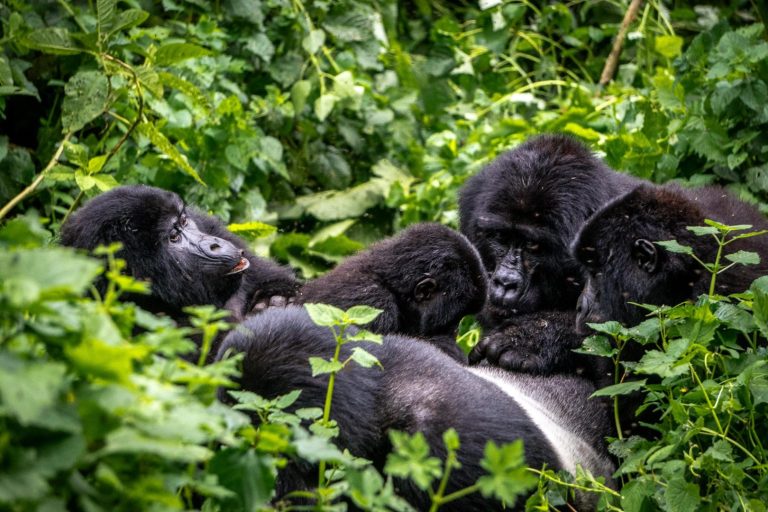
Gorilla Trekking in July
Gorilla trekking in July is one of the most sought-after wildlife experiences in Uganda and Rwanda. July falls within a generally drier period across the mountain gorilla region and coincides with major international holiday seasons, making it one of the busiest months for permits, lodges and safari services.
Is July a Good Month for Gorilla Trekking?
Yes. July is one of the most popular months for mountain gorilla trekking. Potential advantages include: Generally lower rainfall. Less muddy trekking conditions. Excellent timing for traditional wildlife safaris. Good road conditions in many regions.
Gorilla Trekking in Uganda in July
Uganda is particularly rewarding in July because the gorilla trek can be integrated into a wider safari. The main destination is Bwindi Impenetrable National Park. Bwindi's steep forest tracks can be demanding at any time, but relatively dry conditions may make some trails easier to negotiate.
Gorilla Trekking in Mgahinga in July
Mgahinga Gorilla National Park is another excellent July option. Its volcanic landscapes can be particularly striking when cloud cover lifts. Visitors can potentially combine gorilla trekking with golden monkeys and other activities.
Because the park lies at altitude, mornings may feel surprisingly cool. A light fleece or warm layer is useful during the briefing and early stages of the trek. Once climbing begins, visitors often warm quickly. Layering therefore works better than heavy clothing.
Gorilla Trekking in Rwanda in July
Rwanda's gorilla trekking takes place in Volcanoes National Park. July is a popular time because forest conditions are generally favorable. The relatively convenient journey from Kigali also makes Rwanda attractive to travelers combining a gorilla trek with another African destination.
July Weather
July is normally associated with relatively dry weather across much of Uganda and Rwanda. However, temperature and precipitation vary significantly according to elevation. Gorilla areas are cooler and wetter than lower-altitude savannah parks.
Rain can occur unexpectedly. The forest may also remain damp after overnight showers. Pack exactly as you would for changeable mountain weather. A waterproof jacket takes little space and can prevent considerable discomfort.
July Gorilla Trekking Difficulty
Reduced rainfall can make trails less slippery, which is useful for visitors concerned about physical difficulty. However, the position of the gorilla family remains the most important factor. A trek can last from a relatively short time to several hours.
Visitors may climb steep hills and move through dense vegetation. Regular walking before departure is highly recommended. Travelers who train on hills or stairs usually feel better prepared than those who walk only on flat surfaces.
Hire a Porter in July
A porter remains one of the best investments you can make. July conditions may be more comfortable, but your bag still becomes heavy after hours of trekking. Porters can carry water, cameras and rain gear.
July Gorilla Permit Availability
July permits can be in strong demand. Travelers with fixed dates should book early. This becomes even more important for private groups because multiple permits are needed together.
July Accommodation Availability
Accommodation throughout major Uganda safari areas can also become busy. This is especially true for well-known properties in Bwindi, Kibale, Queen Elizabeth National Park and Murchison Falls. Travelers who wait too long may still find accommodation but have fewer choices.
Early booking helps preserve your preferred budget category and lodge location. It is especially important for honeymoon suites, family rooms and premium properties with limited inventory.
July Gorilla Safari Cost
July safari pricing depends primarily on permit charges, accommodation and transport. High demand may reduce access to lower-priced room options if they sell out early. A complete safari generally includes: Vehicle and fuel. Meals according to itinerary. Airport transfers.
Park activities. Domestic flights where selected. Additional permits for chimpanzees or other activities. Comparing complete inclusions is more useful than looking only at the headline safari price.
Budget Gorilla Trekking in July
Budget travel is completely possible but should be planned early. The most economical correctly located lodges may be among the first to fill. A budget traveler can reduce costs by traveling by road, sharing vehicle expenses and limiting unnecessary activities.
Do not compromise permit legitimacy or accommodation location. Saving money by staying far from your trekking area can create difficult early-morning transport arrangements. Efficient planning produces better savings.
Mid-Range Gorilla Trekking in July
Mid-range safaris are extremely popular in July. Comfortable lodges, private transportation and a professional safari guide provide an excellent balance. A seven- to ten-day Uganda itinerary can combine gorillas, chimpanzees and wildlife without requiring luxury accommodation.
July's relatively favorable conditions make this particularly attractive for first-time East Africa travelers.
Luxury Gorilla Trekking in July
Luxury travelers should plan far ahead if they want specific premium lodges. July is a high-demand period for many properties. Luxury Uganda journeys can incorporate domestic flights.
Rwanda offers several exceptionally high-end gorilla-region properties. Travelers spending heavily on accommodation should consider staying at least two or three nights so they have enough time to enjoy the property beyond simply sleeping before the trek.
What to Wear in July
Sturdy hiking boots. Long-sleeved shirt. Lightweight waterproof jacket. Gardening gloves. Comfortable socks. Optional gaiters. Light warm layer. July may be drier, but vegetation can still be wet and trails can still contain mud. Long clothing protects against scratches and insects.
Photography in July
July can be excellent for gorilla photography. The reduced likelihood of prolonged rain makes camera management easier. However, bright sunlight can produce strong contrasts under the forest canopy.
Cloudy conditions may actually provide more attractive soft light. Photographers should be comfortable working at higher ISO values. Flash should not be used around gorillas. Bring spare batteries and memory cards and protect equipment from unexpected showers.
July Gorilla Trekking and Chimpanzees
Combining Bwindi with Kibale National Park is one of the best July safari options. Chimpanzee trekking gives visitors another major great-ape encounter. The activity differs greatly from gorilla trekking.
Chimpanzees may move through the canopy, vocalize loudly and travel quickly. A longer Uganda journey containing both experiences can be especially rewarding for wildlife enthusiasts.
July Gorillas and Queen Elizabeth National Park
Queen Elizabeth National Park fits naturally between Kibale and Bwindi. July is an excellent month for combining game drives with a boat safari before continuing into the forest. Travelers may encounter elephants, buffaloes, hippos, antelopes and predators.
The contrast between savannah and rainforest helps create a complete African safari experience.
July Gorillas and Murchison Falls
Murchison Falls National Park can be included in longer journeys. July works well for game viewing and road travel, but travelers should still allocate sufficient time. A comprehensive Uganda itinerary might include: Murchison Falls. Queen Elizabeth. Lake Mburo or another destination.
Ten to fourteen days is much more comfortable for this route than trying to compress it excessively.
Uganda and Rwanda in July
July is ideal for combining both countries. Travelers can arrive through Kigali, trek in Rwanda and continue toward Uganda, or travel through Uganda and finish in Rwanda. Cross-border itineraries need to be organized around permit dates.
International flight prices and schedules can also influence the most efficient direction. A combined safari provides outstanding primate diversity and landscape variety.
July for Honeymooners
July is highly suitable for honeymoon safaris. The weather is generally favorable, and premium lodges are operating during a popular travel period. The challenge is availability.
Couples should book preferred lodges early. An excellent honeymoon can combine a gorilla trek with private wildlife safaris, high-quality accommodation and time to relax. Do not overfill the schedule.
July for Families
July's school-holiday timing makes it popular with families. Families should confirm minimum trekking ages and ensure all eligible participants have permits. A private vehicle offers greater flexibility.
Family room inventory can be limited, making early booking particularly important. Parents should also consider whether all eligible teenagers have the fitness and interest required for several hours of forest trekking.
July for Senior Travelers
The relatively drier trails can make July particularly appealing to older travelers. Porters remain strongly recommended. Those concerned about lengthy road transfers can consider domestic flights in Uganda.
Fly-In Gorilla Trekking in July
July is one of the strongest months for fly-in gorilla trips. Domestic flights can be in high demand, so book early. The flight must be coordinated with the correct gorilla area and lodge. Baggage restrictions may apply on smaller aircraft. Travelers should pack soft-sided luggage and check allowances in advance.
How Many Days Do You Need?
Three or four days can cover a dedicated gorilla trip. Five days allows more relaxation. Seven days can include wildlife. Eight to ten days can combine chimpanzees and gorillas. Ten to fourteen days works well for a comprehensive Uganda safari. Longer trips can integrate Rwanda.
July is an excellent month to take advantage of a broad East African itinerary.
Advantages of Gorilla Trekking in July
Relatively drier trails. Strong wildlife-viewing opportunities. Excellent Uganda and Rwanda combinations. Good road travel conditions. Attractive conditions for families and honeymoons. Strong fly-in safari options. The main disadvantage is high demand. Permits and lodges should be confirmed well ahead of travel.
June or July for Gorilla Trekking?
Both months are excellent. The difference in weather is often less important than permit and lodge availability. If your international flights work better in June, choose June.
If family holidays require July, choose July. There is little value in forcing inconvenient travel dates simply because one month is sometimes described as marginally drier than another. Mountain weather remains unpredictable.
Plan Gorilla Trekking in July
Check permit availability first. Secure the correct trekking date and area. Book accommodation early. Choose between road and fly-in transportation. Add chimpanzees or wildlife parks according to your time. Pack for rain despite the dry-season label.