
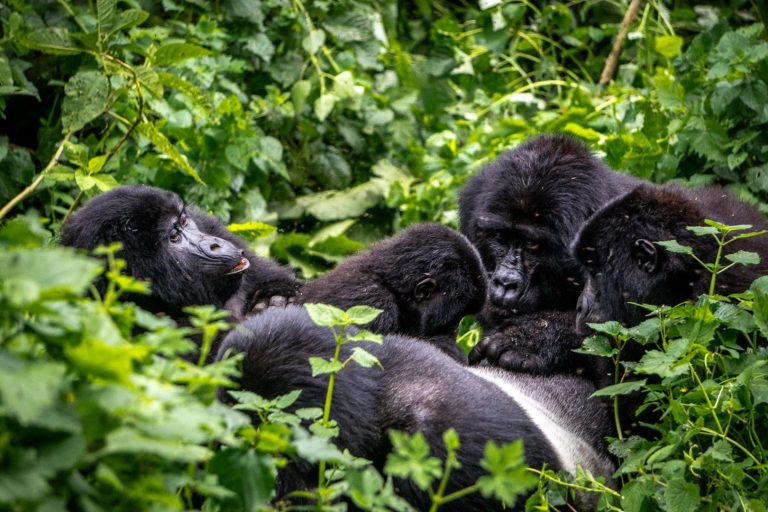
Gorilla Trekking Camera Guide
Choosing equipment for mountain gorilla photography is a balance between image quality and practical weight. This gorilla trekking camera guide explains what equipment works well in the forests of Uganda and Rwanda without encouraging travelers to carry an entire photography studio up a mountain.
Gorilla encounters take place in dense, frequently shaded vegetation. Light can be low. Rain is possible. The animals may be relatively close. Visitor movement is restricted. These conditions mean enormous super-telephoto lenses are often less useful than many safari photographers initially assume.
A versatile, weather-resistant camera setup that you know how to operate confidently is usually the best choice.
The Best Camera Is One You Know
Do not purchase an advanced new camera one week before departure and expect technology alone to produce great photographs. An older camera whose controls you understand may be much more effective. Practice changing:
Exposure compensation. You should be able to make adjustments quickly while keeping attention on the gorillas.
Mirrorless Cameras
Modern mirrorless systems are excellent for gorilla photography. Potential advantages include: Strong autofocus. Good low-light performance. Electronic viewfinders. However, battery life may be lower than some DSLR systems.
DSLR Cameras
A DSLR remains a perfectly capable choice. High-quality DSLR bodies produce excellent RAW files and may provide very good battery endurance. If your existing DSLR system already includes suitable lenses, there is little reason to replace everything solely for one trip.
Invest in preparation instead.
Compact Cameras
Premium compact cameras with useful zoom ranges can work well for travelers who want better control than a smartphone without carrying an interchangeable-lens system. Check low-light performance. Forest photography can push small sensors harder than bright daytime safari scenes.
Smartphones
Phones continue to improve dramatically. A modern smartphone can capture excellent images and video. The major limitations are low light and digital zoom. If the gorillas are reasonably close, a phone can provide outstanding memories. Hold the device steady. Do not spend the whole hour switching between apps.
Recommended Lens Range
A moderate telephoto zoom is frequently ideal. For many camera systems, a lens covering roughly normal-to-medium telephoto perspectives provides flexibility. The exact focal lengths depend on sensor format.
What matters is the ability to photograph both relatively close gorillas and slightly more distant subjects without constantly changing lenses.
70–200mm-Type Lenses
A lens in the general 70–200mm category is popular among full-frame photographers because it provides a useful range, strong image quality and comparatively manageable weight. Fast versions can perform well in low light. However, they may be heavy.
Slower lightweight versions can still work very effectively with modern high-ISO cameras.
100–400mm-Type Lenses
A 100–400mm-style zoom provides extra reach and can also be useful for wildlife elsewhere on the safari. The disadvantage is size and weight. For gorillas at close range, the long end may be unnecessary.
Photographers combining gorillas with birding or savannah wildlife may still find this range highly practical overall.
24–120mm or Similar Travel Zoom
A versatile standard zoom can be surprisingly effective when gorillas are close. It also allows environmental images showing animals within the forest. Photographers who prioritize portability may prefer this type of lens.
Prime Lenses
A fast prime can provide excellent low-light performance and beautiful subject separation. The disadvantage is fixed framing. Because trekkers cannot freely move around the gorillas, zooming with your feet may not be possible.
If you enjoy primes and understand their limitations, they can produce spectacular results.
Do You Need Two Camera Bodies?
Serious photographers may prefer two bodies to avoid lens changes and provide redundancy. However, carrying two bodies adds significant weight. If you bring two, use a porter. An experienced enthusiast may prefer one body and one versatile lens. Simplification often makes the trek more enjoyable.
Camera Weight Matters
Every kilogram becomes more noticeable after several hours on a steep trail. Do not choose equipment as though you will be photographing beside the safari vehicle. You may need to carry it through mud, vegetation and hills.
A smaller kit can improve your photography because you arrive less tired.
Use a Porter
A photography porter can be invaluable. Pack equipment securely and explain how it should be handled. Keep the camera accessible when useful, but allow the porter to carry heavier backup equipment. This helps conserve energy.
Weather Sealing
Weather-resistant equipment is useful but should not replace proper rain protection. Even professional weather-sealed cameras can be damaged by prolonged moisture. Carry a dedicated rain sleeve or cover. Use a dry bag inside the backpack.
Lens Hood
UV or Protective Filters
Some photographers use a clear protective filter in difficult environments. Others prefer no filter because of potential optical effects. This is a personal choice. A lens hood already provides useful physical protection. Whatever system you choose, test it before travel.
Spare Batteries
Carry at least one spare. Two may be useful for heavy shooters. Keep batteries inside a dry pouch. Cold conditions, video and continuous autofocus can increase power consumption. Charge everything fully the previous evening.
Memory Cards
Use reliable high-quality cards. Carry spare capacity. Do not put the entire trip on one enormous card if you prefer redundancy. Multiple cards can reduce the amount of work lost if one fails. Keep unused cards in a waterproof case.
Camera Strap
A secure strap is essential. A cross-body or comfortable neck strap can help. Some photographers prefer harness systems, but these may interact awkwardly with backpacks. Test your carrying system during training walks. You should be able to keep the camera secure while using your hands for balance.
Camera Backpack
Choose a bag that provides protection without being huge. The trek does not require every accessory you own. A small camera insert inside a hiking daypack can sometimes work better than a large dedicated photography backpack.
- Rain protection is essential.
Tripods
A tripod is generally unnecessary for most gorilla trekkers. Forest space is limited and animals move. Modern cameras can use higher ISO values effectively. Tripods also add weight. Specialist photographers may have specific reasons to use support equipment, but ordinary visitors are usually better working handheld.
Monopods
A monopod is more practical than a tripod but still adds equipment. If you use one regularly and understand its benefits, it may help with heavier lenses. Do not bring one for the first time without practice.
Beanbags
Flash
Do not bring flash with the intention of using it around the gorillas. Uganda's published regulations prohibit flash photography during gorilla viewing. Disable built-in automatic flash before the encounter.
ISO Capability
A camera that performs well at ISO 1600, 3200 or higher can be extremely useful depending on forest conditions. Do not become obsessed with keeping ISO at 100. Sharpness and moment frequently matter more than perfect pixel-level cleanliness.
Practice noise reduction during post-processing if you shoot RAW.
Shutter Speed
A resting silverback may allow a relatively slow shutter speed. A playing juvenile requires much faster settings. Use auto ISO with a sensible minimum shutter speed if your camera supports it and you are comfortable with that workflow.
The objective is reacting quickly to changing behavior.
Image Stabilization
In-body or lens stabilization can help when photographing static subjects at slower shutter speeds. It does not freeze a moving gorilla. Use appropriate shutter speed for the animal's behavior.
Focus Settings
Continuous autofocus is useful because gorillas often move even when they appear relaxed. Eye detection can help but may be confused by vegetation. Learn how to select a smaller focus area when necessary.
RAW Versus JPEG
RAW provides maximum editing flexibility. JPEG offers smaller files and easier sharing. Some cameras allow RAW+JPEG. Choose according to your workflow and storage capacity. Photographers unfamiliar with RAW should practice processing files before the trip.
Video Equipment
Your still camera may already provide excellent video. You generally do not need a separate video camera. A smartphone can also capture good clips. Keep video segments short and stable. Remember to experience the encounter rather than recording continuously.
Audio
Forest sound can add enormous value to video. Avoid talking over every clip. Listen for vegetation movement and gorilla vocalizations. Do not deliberately make noise to provoke a response.
Cleaning Equipment
Carry a microfiber cloth and simple blower. Humidity can produce condensation. Rain creates water droplets. Do not conduct major sensor cleaning in a wet forest. Perform careful maintenance back at the lodge.
Changing Lenses
Minimize lens changes during the trek. Rain, moisture and debris can enter the camera. A versatile zoom reduces the need. If you must change lenses, do so in a sheltered location when possible.
Backups
Camera Gear for a Combined Safari
Camera Gear for Birders
Bird photography often requires more reach than gorilla photography. A 400mm, 500mm or 600mm capability may be highly useful for birds. Consider leaving the heaviest setup at the lodge during the gorilla trek and using a lighter lens.
Your porter can also assist if you genuinely require both.
Camera Guide for Beginners
Keep the setup simple. One versatile lens. Aperture priority or another mode you understand. Continuous autofocus. Rain protection. The simpler your system, the more attention you can give the gorillas.
Camera Guide for Professionals
Professional photographers may want two trekking days, multiple bodies, fast glass and extensive backups. Commercial filming or specialized professional activity may also require separate permissions beyond an ordinary tourist permit.
Check current regulations before travel rather than assuming standard tourism access covers commercial production.
Camera Guide for Smartphones Only
A smartphone-only trek can be liberating. No heavy equipment. No lens decisions. No backpack full of electronics. Concentrate on composition and behavior. Use the main camera lenses rather than extreme digital zoom. Take several short videos. Then put the phone down and watch.
Final Camera Checklist
Before leaving the lodge, confirm that your camera is charged, memory card is inserted, flash is disabled, lens is clean, rain protection is packed and spare battery is protected. Do this before the early-morning departure. Do not discover an empty memory-card slot after reaching the gorillas.
Keep the Camera Secondary to the Experience
The purpose of this gorilla trekking camera guide is to help photography become easier, not dominate the trek. Carry enough equipment to create excellent images but not so much that the equipment becomes the main focus.
Gorilla Trekking for Seniors
Gorilla trekking for seniors is entirely realistic for many older travelers. Mountain gorilla trekking should not be viewed as an activity reserved for people in their twenties or thirties. What matters more than chronological age is physical condition.
A fit traveler in their seventies who walks regularly may find the trek easier than a sedentary person in their thirties.
The activity does involve genuine mountain terrain, and the length cannot be guaranteed. Uganda Wildlife Authority describes gorilla tracking as requiring moderate fitness, with treks potentially taking several hours depending on the gorillas' location.
Senior travelers should therefore plan intelligently rather than automatically ruling themselves out.
Is There a Maximum Age Limit?
There is no simple general maximum age comparable with the official minimum age. Older travelers routinely participate. The real questions are: Can you walk for several hours? Can you manage hills? How are your knees and hips?
How is your balance? How is your cardiovascular fitness? Do you recover reasonably well from physical activity? These considerations are more useful than age alone.
Talk to a Health Professional Where Appropriate
Travelers with significant medical conditions, mobility concerns or uncertainty about strenuous activity should obtain appropriate professional medical guidance before travel. A safari planner is not a substitute for a healthcare professional. The objective is to experience gorillas safely and comfortably.
Start Training Early
Regular walking is the best preparation. If you are currently inactive, begin gradually. Walk several times each week. Increase the duration progressively. Include hills or stairs. The aim is not speed. Build the ability to remain active for several hours.
Strengthen Your Legs
Leg strength is particularly important on steep terrain. Simple step-ups, controlled squats and stair climbing can help when appropriate to your fitness level. Balance exercises may also be useful. Travelers with joint concerns should choose exercises suitable for their individual circumstances.
Train in Your Boots
Wear the actual hiking boots you plan to use. Senior travelers should be especially careful about footwear because discomfort or instability can affect balance. The boots should provide grip without being excessively heavy.
Break them in before travel.
Choose a Relatively Dry Period
Senior travelers concerned about slippery terrain may prefer relatively drier months such as parts of June through September or January and February. Less mud can make trekking easier. However, rain remains possible throughout the year.
No season guarantees an easy trek. The gorillas' location is still the most important variable.
Uganda or Rwanda for Senior Travelers?
Both countries can work well. Rwanda offers relatively convenient access between Kigali and Volcanoes National Park, reducing long road journeys. Uganda provides a wider range of safari combinations and can use domestic flights to reduce road travel to the southwest.
The best destination depends on budget, overall trip length and additional interests.
Bwindi for Seniors
Bwindi can be steep and challenging, but senior travelers successfully trek there regularly. Correct lodge location is especially important. Staying near the proper briefing area reduces unnecessary travel before trekking.
Build a sensible itinerary. Avoid arriving after an exhausting transfer late the previous evening.
Mgahinga for Seniors
Volcanoes National Park for Seniors
Hire a Porter
Senior travelers should strongly consider porter assistance. A porter can carry your bag and support you on difficult sections. This reduces fatigue and allows you to use both hands when needed.
Some travelers initially resist hiring a porter because they want to prove they can manage independently. There is no benefit in making the trek harder unnecessarily. Use the available support.
Additional Physical Assistance
Local trekking teams may have additional support options depending on the destination and current arrangements. Travelers with substantial mobility concerns should discuss their needs well in advance rather than expecting an improvised solution on trekking morning. Availability, suitability and costs can vary.
Do not rely on informal online descriptions without confirming current arrangements.
Request Consideration During Allocation
Senior travelers can communicate fitness or mobility concerns during the briefing. Park staff may consider individual circumstances where operationally possible. However, no particular easy trek should ever be guaranteed.
A family that was nearby yesterday can be farther away today. Prepare for the uncertainty.
Use a Walking Pole if Familiar
A trekking pole can help with stability, particularly during descents. However, use one only if you are accustomed to it. Trying unfamiliar equipment on trekking day can be awkward. Porter support may be more valuable for many travelers.
Protect Your Knees
Downhill walking can be harder on knees than climbing. Take controlled steps. Good boots help. A trekking pole may provide support. If you have chronic knee problems, obtain appropriate professional advice beforehand.
Keep Your Daypack With the Porter
- Carry as little weight as possible. Allow your porter to take water, rain gear, camera accessories and lunch. You may want to keep only the camera or phone you are actively using. Reducing weight preserves energy.
Stay Hydrated
Drink enough water before and during the trek. Older travelers can be just as vulnerable to dehydration as anyone else. Cool mountain air may make thirst less noticeable. Carry sufficient water according to local guidance.
Eat Properly
A long trek requires energy. If you have dietary requirements, inform your lodge in advance. Carry the packed lunch provided for the day. Do not attempt a several-hour mountain walk after skipping food unnecessarily.
Rest the Day Before
A senior-friendly safari should be paced intelligently. Avoid a very long road journey immediately before trekking. Where possible, arrive at the gorilla lodge with enough time to rest. Prepare equipment. This improves the following day's experience.
Stay an Extra Night Afterwards
Do not automatically leave immediately after the trek. An additional night allows recovery. A hot shower, dinner and relaxed evening can be extremely welcome. Premium lodges may also offer spa treatments or comfortable lounges. Even budget and mid-range travelers benefit from avoiding unnecessary haste.
Consider Domestic Flights
Private Safari Vehicle
Private travel is especially useful. Your guide can stop where practical. The itinerary does not need to follow a large group's fixed pace. Transfers can be designed with suitable breaks. This flexibility can make a significant difference for older travelers.
Choose Comfortable Accommodation
Accommodation does not need to be ultra-luxury, but practical comfort matters. Convenient lodge location. Comfortable beds. Private bathrooms. Reliable hot water. Manageable walking around the lodge. If stairs are difficult, request suitable room placement where possible.
Tell the Lodge About Mobility Needs
Some safari lodges are built on steep hillsides. A room with spectacular views may involve many steps. Discuss mobility considerations in advance. A slightly less dramatic room near the main area may be far more practical.
Senior-Friendly Safari Length
A longer safari can actually be easier than a shorter one when the pace is slower. Instead of trying to cover five destinations in seven days, spend multiple nights in each area. A ten- or twelve-day itinerary with rest time may feel considerably easier than a rushed six-day program.
Combine Gorillas With Wildlife
Senior travelers often enjoy combining the physical challenge of one gorilla trekking day with less demanding wildlife activities. Queen Elizabeth National Park offers game drives and boat experiences. Murchison Falls can add more traditional wildlife viewing.
This creates variety. Not every safari day needs to involve strenuous walking.
Combine Gorillas With Chimpanzees Carefully
Senior Gorilla Photography
Keep camera equipment manageable. A large professional setup adds unnecessary weight. A versatile zoom or modern smartphone may provide all the photography capability required. If serious photography is important, have a porter carry backup equipment.
Hearing Considerations
Visitors with hearing difficulties should position themselves so they can understand ranger instructions. Tell guides about the issue before entering the forest. Do not be embarrassed to ask for instructions to be repeated.
Clear communication contributes to safety.
Vision Considerations
Travelers who use prescription glasses should secure them comfortably. Rain can affect visibility. A hat or hood may help reduce water on lenses. Carry a cleaning cloth in a dry pocket.
Medication
Carry essential personal medication in accessible, waterproof packaging. Do not place all important medication in checked luggage during international travel. Inform appropriate companions about any serious medical requirements.
Travel Insurance
Suitable insurance is especially important for a substantial international trip. Review medical, cancellation and evacuation coverage carefully. Policies differ. Choose according to your own circumstances rather than assuming the cheapest product provides adequate protection.
Senior Travelers and Rainy Seasons
Wet months can make trails more challenging. Fit and adventurous senior travelers may still enjoy them. Those concerned about balance or joint strain may prefer a relatively drier period. The decision should reflect individual capability.
Do Not Let Age Alone Stop You
Do Not Ignore Real Limitations
The opposite is equally important. Do not undertake a strenuous trek simply because you feel pressured to prove something. Be honest about mobility and health. Alternative ways of enjoying Uganda or Rwanda exist if trekking is not appropriate. A successful safari does not need to involve every possible activity.
Travel With Family
Multi-generational travel can be especially rewarding. Parents, adult children and grandparents can share wildlife experiences. Private vehicles make these journeys easier to customize. Different family members can also undertake different activities according to interests and fitness.
Senior Honeymoon or Anniversary Safaris
Best Overall Strategy
Prepare physically. Stay near the correct trekking point. Rest beforehand. Carry very little. Communicate openly. Give yourself recovery time afterwards. These measures matter more than age.
Plan Gorilla Trekking for Seniors
A well-designed gorilla trekking for seniors itinerary should adapt the surrounding safari to the traveler's needs while recognizing that the forest itself remains natural and unpredictable. Choose comfortable accommodation. Use private transport.
Consider flights. Avoid excessive transfer days. Prepare physically and make full use of local support.
Senior travelers can enjoy mountain gorilla trekking successfully by preparing through regular walking, using porter assistance, reducing unnecessary road fatigue and building a slower, comfortable safari around the trekking day.