
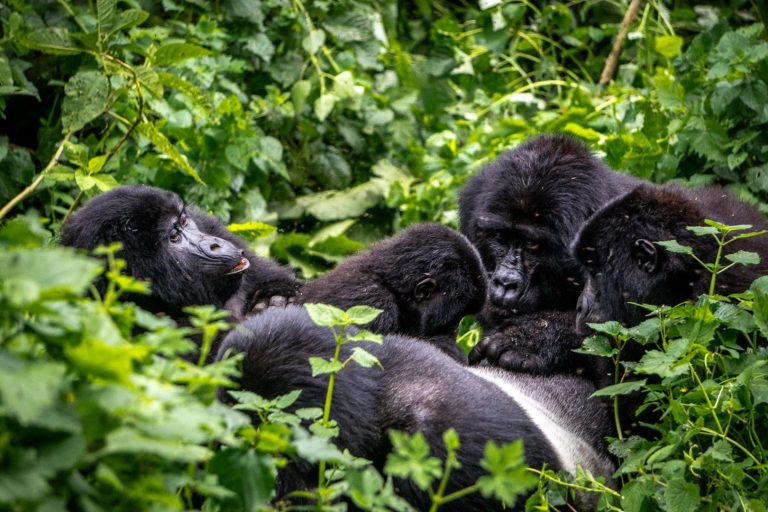
These Bwindi travel tips cover the most important considerations for first-time and repeat visitors, from choosing the correct trekking sector and accommodation to packing, transportation, fitness, photography and combining Bwindi with other Uganda safari destinations.
The central planning principle is simple: confirm your gorilla permit first, identify the associated trekking sector and then build accommodation and transportation around that location.
1. Confirm Your Gorilla Permit Before Finalising the Safari
Gorilla trekking permits are limited.
Before paying for non-refundable accommodation or constructing an entire Uganda itinerary, establish permit availability for your preferred dates.
This is especially important during popular travel periods.
Couples may have reasonable flexibility, but families and larger groups need several permits for the same date.
Once your permit arrangements are clear, the rest of the Bwindi safari becomes much easier to organise.
2. Understand the Four Main Bwindi Sectors
Bwindi is not one small destination with one entrance.
The principal tourism and gorilla trekking sectors are:
- Buhoma - Ruhija - Rushaga - Nkuringo
Each has its own lodges, briefing points and road approaches.
One of the most important Bwindi travel tips is therefore to avoid booking a lodge based only on the phrase “near Bwindi.”
Ask exactly which sector the lodge serves.
3. Stay Close to Your Trekking Briefing Point
Gorilla trekking begins early.
The last thing you want is a long, stressful drive across mountain roads before the briefing.
Choose accommodation within sensible reach of your assigned trekking sector.
Staying close provides time for:
- breakfast; - checking equipment; - meeting your guide; - arranging a porter; - and arriving calmly.
4. Arrive in Bwindi the Day Before Trekking
Never design an itinerary that depends on completing a long transfer and arriving for a gorilla briefing the same morning.
Road travel in Uganda can be affected by:
- traffic; - rain; - construction; - slow mountain roads; - vehicle delays; and - stops.
Domestic flights can also experience operational changes.
Reach the Bwindi region at least one day before the permit date.
5. Stay the Night After Gorilla Trekking
A gorilla trek can finish early, but it may also last much longer than expected.
Avoid scheduling a major road transfer immediately afterward.
Remaining at the lodge after trekking gives you time to:
- shower; - change; - rest; - enjoy dinner; - sort photographs; - and appreciate the experience.
Leaving the next morning creates a far more comfortable safari rhythm.
6. Prepare Physically
You do not need to be a marathon runner, but reasonable fitness helps.
Bwindi's terrain can involve:
- steep hills; - mud; - exposed roots; - uneven forest paths; - dense vegetation; and - several hours of walking.
In the weeks before travel, include regular walking and some hills or stairs.
This simple preparation can make the trek substantially more enjoyable.
7. Break In Your Hiking Boots
Do not arrive with brand-new boots.
Wear your trekking footwear repeatedly before the safari.
Your boots should provide:
- good grip; - ankle support; - comfortable fit; - and reasonable water resistance.
Blisters on trekking morning can turn an extraordinary wildlife experience into an unnecessarily painful day.
8. Pack for Rain in Every Season
Bwindi is a rainforest.
Even during the relatively drier periods, showers can occur.
Always carry a lightweight waterproof jacket.
Useful clothing includes:
- long trousers; - long-sleeved shirts; - quick-drying fabrics; - hiking boots; - comfortable socks; - gloves; - and optional gaiters.
Do not rely entirely on a weather app.
Mountain conditions can change rapidly.
9. Hire a Porter
Hiring a porter is one of the most practical recommendations for gorilla trekking.
A porter can carry:
- water; - packed lunch; - rain gear; - camera equipment; - and other personal items.
They can also provide valuable support on steep or slippery ground.
Even fit travelers often appreciate porter assistance.
The service also provides income to communities around Bwindi.
10. Carry a Walking Stick
A walking stick can help significantly on steep descents and muddy slopes.
Your guide or trekking point may advise on locally available sticks.
A trekking pole can also work, but avoid carrying excessive equipment.
The objective is to improve balance, not complicate movement through dense vegetation.
11. Pack Light for Trekking Day
Your forest daypack should contain only essential items.
Useful contents include:
- drinking water; - packed food where supplied; - rain jacket; - camera; - spare battery; - sunscreen; - insect repellent; - medication; - and waterproof protection for electronics.
Leave unnecessary items at the lodge.
12. Protect Cameras and Phones
Rainforest moisture is a serious consideration.
Bring a waterproof camera cover or dry bag.
A microfiber cloth is useful for lenses.
Keep equipment accessible rather than buried underneath other items.
The gorilla encounter is limited, and you do not want to waste valuable minutes reorganising your backpack.
13. Know Your Camera Before the Trek
Forest photography can be technically difficult.
Conditions often involve:
- low light; - dark subjects; - bright vegetation; - changing exposure; - and movement.
- ISO; - autofocus; - shutter speed; - exposure compensation; - and burst settings
before travelling.
Flash photography should not be used around gorillas.
14. Take Time to Watch Without a Camera
Photographs matter, but do not spend the entire encounter behind a screen.
Lower your camera occasionally.
- facial expressions; - family interactions; - feeding; - play; - grooming; - and the sound of gorillas moving through vegetation.
Many travelers later say the moments they simply watched were among the most memorable.
15. Listen Carefully to Ranger Instructions
The pre-trek briefing is important.
- behavior around gorillas; - safety; - health rules; - photography; - forest etiquette; - and what to do if gorillas approach.
Follow those instructions even if you have trekked gorillas elsewhere before.
16. Be Honest About Fitness
If you have significant mobility concerns, communicate them.
Do not pretend to be an experienced mountain hiker when you are not.
Park staff and guides need accurate information to help manage the trekking day appropriately.
Hiring a porter becomes especially important for visitors with lower fitness levels.
17. Do Not Trek if Seriously Ill
Mountain gorillas are genetically close to humans and can be vulnerable to some human diseases.
If you are unwell, inform your guide or operator.
Trying to hide symptoms simply because the permit is expensive can put the gorillas at risk.
Conservation must come before an individual itinerary.
18. Bring a Warm Layer
Bwindi can feel cool in the early morning and evening.
This is especially noticeable at higher-elevation sectors such as Ruhija and Nkuringo.
A light fleece or sweater is usually sufficient.
Heavy winter clothing is generally unnecessary.
19. Bring Binoculars
Even if your primary interest is gorillas, binoculars can greatly improve the broader Bwindi experience.
The park supports:
- forest monkeys; - numerous birds; - butterflies; - and other wildlife.
Binoculars are particularly useful for animals moving through the canopy.
20. Add a Birding or Forest Day
If your schedule permits, spend more than the minimum two nights.
A third night allows time for:
- birdwatching; - community activities; - forest walks; - photography; - or lodge relaxation.
This helps you appreciate Bwindi as an ecosystem rather than only a gorilla trekking site.
21. Choose Road or Air Transport According to Your Itinerary
Road travel is excellent if you are visiting several Uganda parks.
A typical route may include:
Entebbe → Kibale → Queen Elizabeth National Park → Bwindi
Flying makes more sense if:
- time is limited; - comfort is a priority; - you are on honeymoon; - or Bwindi is your primary destination.
Some of the best itineraries drive one way and fly the other.
22. Do Not Underestimate Mountain Road Travel
Map distance can be deceptive.
A road may appear short but involve:
- steep hills; - sharp bends; - unpaved sections; - mud; - village traffic; - or slow driving conditions.
Always use realistic local transfer estimates.
23. Keep Domestic Flight Baggage Light
If flying to Kihihi or Kisoro, check baggage restrictions in advance.
Small safari aircraft usually have lower luggage limits than international flights.
Soft-sided bags are generally more practical than large hard-shell suitcases.
Photographers carrying heavy gear should discuss this before ticketing.
24. Carry Some Cash
Cards are increasingly useful in Uganda, but small local payments may still require cash.
You may need money for:
- porter services; - tips; - crafts; - small purchases; - and community activities.
Ask your safari operator for current advice on practical payment arrangements.
25. Pack Personal Medication
Bwindi is remote.
Bring enough prescription medication for the whole safari.
Also pack basic personal health supplies that you normally use.
Do not assume specialised items will be readily available near the park.
26. Use Comprehensive Travel Insurance
Travel insurance should suit your complete itinerary.
Check coverage for:
- Uganda travel; - medical emergencies; - evacuation; - cancellations; - delayed flights; - luggage; - and trekking-related activities.
Read the policy rather than assuming every safari activity is automatically covered.
27. Respect Local Communities
Bwindi is surrounded by communities with their own daily lives.
Ask before photographing people.
Support responsible local enterprises rather than treating villages as tourist displays.
Community tourism is most valuable when it provides genuine economic and cultural benefit.
28. Combine Bwindi With Queen Elizabeth National Park
This is one of Uganda's best safari combinations.
Queen Elizabeth adds:
- game drives; - elephants; - buffaloes; - antelopes; - predators; - and the Kazinga Channel boat safari.
Bwindi then provides a dramatic switch from savannah to rainforest.
29. Combine Bwindi With Kibale
For a primate-focused journey, include Kibale.
A classic route is:
Entebbe → Kibale → Queen Elizabeth → Bwindi → Entebbe
This combines chimpanzees, wildlife and mountain gorillas.
30. Consider Mgahinga for a Southwest-Focused Trip
Travelers staying around Kisoro can add Mgahinga Gorilla National Park.
- golden monkeys; - mountain scenery; - hiking; - birding; - and additional primate opportunities.
This makes the far southwest especially rewarding.
Final Bwindi Travel Tips
The most useful Bwindi travel tips are ultimately about reducing uncertainty before the safari so you can embrace the unpredictability of the forest itself.
Confirm your gorilla permit early. Stay in the correct sector. Arrive the previous day. Wear good boots. Pack rain protection. Hire a porter. Carry a light daypack and listen carefully to the rangers.
Then allow the forest to dictate the rest.
The gorillas may be close or far away. The trail may be dry or muddy. The morning may begin in sunshine and end in mist.
Those variables are not problems to eliminate—they are part of entering a real mountain rainforest.
Prepare properly, and Bwindi becomes not just a trek but one of the most immersive wildlife journeys you can experience in Africa.