
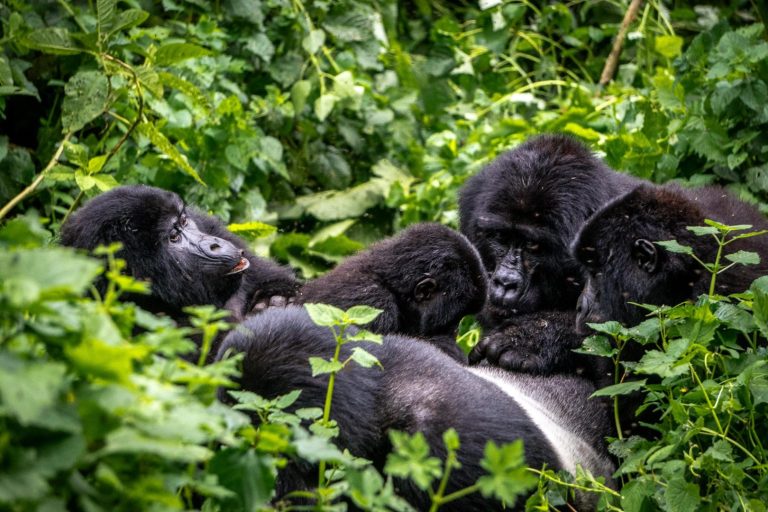
Introduction
The Gorilla Habituation Experience is a more specialized activity associated with gorillas undergoing the gradual process of becoming accustomed to carefully controlled human presence. It offers a longer observational experience and provides greater insight into gorilla behavior and conservation work.
This is page #500, the final page in the site's exact 500-page sitemap.
What Is Standard Gorilla Trekking?
Standard gorilla trekking is the experience chosen by most visitors. On trekking morning, guests:
- Arrive at the designated briefing point - Meet park staff - Receive safety instructions - Join their trekking group - Enter the forest - Track the assigned gorilla family
Once the gorillas are found, the regulated viewing period begins.
What Is Gorilla Habituation?
Gorilla habituation is the gradual process through which wild gorillas become accustomed to the controlled presence of researchers, trackers and eventually tourists. The process is careful and can take a long period.
The specialized tourism experience allows a limited number of visitors to accompany professionals during part of this process. It is therefore not simply "a longer normal trek."
Where Is the Gorilla Habituation Experience?
Uganda is particularly known for offering the Gorilla Habituation Experience in Bwindi Impenetrable National Park. Availability is linked to specific gorilla groups and operational areas. Travelers should never assume that a standard Bwindi permit can be converted into a habituation permit on arrival.
The correct permit must be reserved in advance.
Viewing Time
This is the most important difference. A standard gorilla trek provides the normal regulated observation period after locating a fully habituated family. The habituation experience provides substantially more time connected with the gorillas once the relevant encounter conditions are met under park rules.
This additional time is one of the principal reasons serious photographers and primate enthusiasts choose habituation.
Permit Cost
Gorilla habituation is more expensive than standard gorilla trekking. The higher permit price reflects:
- Extended experience - Limited participation - Specialized nature - Conservation framework
Uganda Wildlife Authority tariffs can change, so verify the applicable rate for your exact travel dates before booking.
Is Habituation Worth the Extra Cost?
For some travelers, absolutely. It is particularly worthwhile if:
- Gorillas are your main reason for visiting Uganda. - You are a wildlife photographer. - You have trekked gorillas previously. - You want deeper behavioral observation. - Your budget allows the upgrade comfortably.
For a first-time traveler with a limited budget, standard trekking remains extraordinary.
Is Standard Gorilla Trekking Too Short?
Not necessarily. The standard experience can be remarkably intense. Observing a silverback, females and young gorillas at close but regulated distance can make the viewing period feel extremely rich.
Many travelers leave completely satisfied. The habituation experience is about depth rather than correcting a deficiency in standard trekking.
Which Is Better for First-Time Visitors?
Standard gorilla trekking is usually the best starting point.
- Less expensive - More widely available - Easier to integrate into itineraries - The classic gorilla tourism experience
If budget is generous and gorillas are your overwhelming priority, a first-time visitor can certainly choose habituation.
Which Is Better for Repeat Visitors?
Habituation is especially attractive for repeat gorilla travelers. Someone who has already experienced standard trekking may want a deeper second encounter. The longer observation period can reveal behavior that might not occur during a shorter visit.
Photography
Photographers are among the strongest candidates for habituation. More time can provide additional opportunities for:
- Changing behavior - Better positioning - Improved light - Portraits - Family interaction - Feeding behavior
However, longer time does not guarantee perfect photography. Gorillas can remain in dense vegetation.
Standard Trek Photography
Excellent photography is also possible during normal gorilla trekking. Prepare before entering the forest.
- Camera controls - ISO settings - Autofocus - Exposure compensation - Lens selection
Do not waste valuable observation time learning camera settings beside the gorillas.
Physical Difficulty
Both experiences require forest trekking. The habituation experience can involve a longer day and therefore potentially greater physical demand. Gorillas may be located:
- Far from the trailhead - On steep slopes - In dense vegetation
Reasonable fitness is advisable.
Does Habituation Guarantee a Longer Hike?
Not necessarily. Trekking distance depends on gorilla location. However, because the overall activity can occupy more time, travelers should prepare for a substantial day in the forest. Do not schedule demanding activities immediately afterward.
Hire a Porter
A porter is highly recommended for both experiences and particularly valuable during habituation. Your porter can carry:
- Water - Lunch - Camera equipment - Rain jacket - Daypack
Porters can also provide physical assistance on difficult terrain.
What to Wear
For either activity, wear:
- Waterproof hiking boots - Long trousers - Long-sleeved shirt - Rain jacket - Gardening or trekking gloves - Long socks
Avoid bright expectations of a clean outfit. Bwindi can be muddy even during relatively dry periods.What to Carry
Your daypack should contain:
- Drinking water - Packed lunch or snacks as advised - Rain protection - Camera - Spare battery - Insect repellent - Personal medication
Keep the bag as light as practical. A porter can carry it.
Gorilla Behavior
Fully habituated gorillas are accustomed to carefully managed tourist visits. Gorillas undergoing habituation may react differently because they are at another stage in the process. This is one reason professional trackers and researchers play such an important role.
Follow every instruction immediately.
Can You Touch Gorillas?
Neither standard trekking nor habituation allows visitors to treat gorillas as tame animals.
- Touch - Feed - Chase - Block - Provoke
If a gorilla approaches, follow ranger instructions.
Health Rules
Great apes can be vulnerable to human illnesses. Visitors should comply with current health regulations. If you are sick, inform the operator and park authorities. Protecting gorillas takes priority over an individual tourism experience.
Group Size
Participation in gorilla tourism is tightly controlled. Habituation is particularly limited because of the specialized nature of the activity. Exact current group-size rules should be confirmed when permits are reserved. Early booking is important.
Permit Availability
Standard trekking provides more permit inventory because several habituated families can receive visitors. Habituation permits are much more limited. Travelers specifically wanting habituation should plan early. This is particularly important during:
- June - July - August - September - December - January - February
Accommodation
Your accommodation must match the operational location of your permit. Do not book a lodge solely because it is described as being "in Bwindi." Bwindi is large and divided into sectors. Your operator should coordinate:
- Permit - Lodge - Transfer - Briefing location
This is especially important for early-morning activities.
Can You Do Both Experiences?
Should You Trek on Consecutive Days?
It is possible, but consider your fitness. If the first trek is physically demanding, a rest day can be valuable. Photographers may also want time to:
- Back up images - Recharge batteries - Clean equipment - Recover physically
Standard Trekking Advantages
Standard gorilla trekking offers:
- Lower cost - More permit availability - Classic experience - Easier itinerary planning - Less time commitment
It is ideal for most first-time visitors.
Habituation Advantages
The Gorilla Habituation Experience offers:
- Extended observation - Greater behavioral depth - Specialized conservation context - Excellent photographic potential - A more exclusive experience
It is ideal for travelers deeply interested in gorillas.
Standard Trekking vs Habituation Quick Comparison
Cost: Standard trekking lower Time with gorillas: Habituation longer Permit availability: Standard trekking greater Best for first visit: Standard trekking Best for photographers: Habituation Best for repeat visitors: Habituation Physical commitment: Potentially greater for habituation Conservation insight: Habituation particularly strong Overall wildlife quality: Exceptional in both
Which Is Better for a Honeymoon?
Most honeymooners will find standard gorilla trekking more than sufficient. The savings can be invested in:
- Luxury lodge - Fly-in transportation - Additional safari parks
However, couples with a strong shared passion for wildlife photography may prefer habituation.
Which Is Better for Seniors?
Standard trekking may involve less total time in the forest, making it a more straightforward choice. However, age alone does not determine ability. Fit older travelers can enjoy habituation. Discuss mobility concerns honestly with the safari operator.
Which Offers Better Value?
Value is personal. Standard trekking offers one of the world's most extraordinary wildlife encounters at the lower of the two permit levels. Habituation costs substantially more but provides additional time and depth.
Final Decision
Choose standard gorilla trekking if:
- This is your first gorilla safari. - You have a limited budget. - You are combining several parks. - The classic encounter is your priority.
Choose the Gorilla Habituation Experience if:
- Gorillas are the central purpose of your journey. - You want longer observation. - Photography is important. - You are a repeat visitor. - Your budget allows the higher permit cost.
Gorilla Trekking vs Gorilla Habituation Experience: Final Verdict
The gorilla trekking vs gorilla habituation experience decision ultimately comes down to depth, time and budget. Standard trekking provides the classic encounter that has made Bwindi one of Africa's great wildlife destinations. It is powerful, intimate and suitable for most travelers.
Gorilla habituation takes that interest further. The longer experience provides additional opportunities to observe behavior, understand the habituation process and photograph one of humanity's closest wild relatives within its natural rainforest habitat.
Neither experience should be treated as simply a tourism attraction. Both exist within a carefully managed conservation system designed to protect mountain gorillas while generating economic support for their continued survival.For many first-time visitors, standard trekking is enough to become the highlight of an entire African safari. For travelers who want to go deeper, the Gorilla Habituation Experience is one of Uganda's most specialized and rewarding primate adventures.