
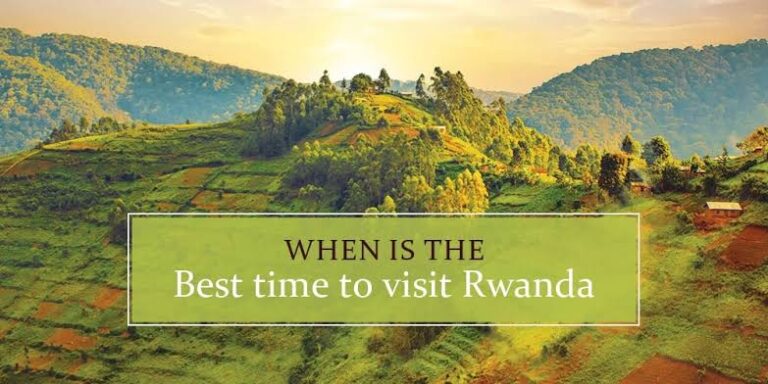
The best time for Rwanda wildlife safari travel depends on whether your main priority is mountain gorilla trekking, chimpanzee tracking, traditional game viewing, birdwatching or a combination of all these experiences. Rwanda can be visited throughout the year, but seasonal rainfall influences forest trail conditions, savannah vegetation, road access, photography and visitor numbers.
The country generally experiences two relatively dry seasons and two wetter periods. June through September is commonly regarded as the main dry season, while another shorter dry period normally occurs around December to February. Wetter conditions are more common from March to May and again around October and November.
Introduction
However, Rwanda's varied landscapes mean that conditions can differ considerably between Akagera's savannah, Nyungwe's rainforest and the mountain forests of Volcanoes National Park.
June to September
June through September is one of the most popular periods for Rwanda safaris. Rainfall is generally lower, making road travel and hiking conditions easier. This is particularly useful for visitors undertaking mountain gorilla trekking or chimpanzee tracking.
Forest trails can still be muddy because Rwanda's highland forests receive rainfall throughout the year, but prolonged rain is usually less frequent. Akagera also offers excellent wildlife viewing during this period. Vegetation may become shorter, and animals can increasingly gather around dependable water.
For travelers combining several national parks, this is often considered the best time for Rwanda wildlife safari itineraries.
June
June marks the beginning of the longer dry season. Rainfall generally declines, while landscapes may still remain green from previous rains. This creates particularly attractive photographic conditions. Gorilla trekking trails can become easier than during the peak wet season. Akagera game viewing also begins improving as the landscape gradually dries. June is an excellent choice for travelers who want favorable conditions without necessarily experiencing the driest landscapes of August.
July
July is one of Rwanda's most popular travel months. The weather is generally dry, and conditions are well suited to game drives and primate trekking. Akagera can be particularly rewarding as wildlife gathers around water. In Volcanoes National Park, cooler mountain conditions make trekking comfortable once visitors begin walking. Because July overlaps with international school holidays, demand for gorilla permits and accommodation can be high. Booking well in advance is strongly recommended.
August
August remains excellent for most safari activities. Akagera usually has classic dry-season landscapes, with open vegetation improving wildlife visibility. Gorilla and chimpanzee trekking remain highly popular. Travelers should expect some of the country's most popular lodges to fill early. August is particularly suitable for families, couples and first-time visitors wanting to combine several parks.
September
September can provide excellent safari conditions, especially earlier in the month. The landscape may gradually begin changing as the next wetter period approaches. Occasional showers can refresh vegetation without necessarily disrupting the itinerary. This transitional character makes September attractive for travelers interested in both wildlife and scenery.
December to February
The shorter dry season generally occurs between December and February. These months are another excellent period for visiting Rwanda. Forest trekking can be more comfortable than during heavy rain, while Akagera remains rewarding for wildlife.
The Christmas and New Year period is particularly popular. Visitors traveling at this time should book permits and accommodation early. January and February can also be excellent for honeymooners and travelers escaping winter in Europe or North America.
January
January typically offers a useful balance between dry conditions and green landscapes. Game viewing in Akagera can be strong. Gorilla and chimpanzee trekking remain possible throughout the month. Morning conditions around Volcanoes National Park can be cool, so visitors should carry layers even when the rest of the country feels warm.
February
February can become warmer and drier before the longer rains begin. This is another excellent period for a combined Rwanda safari. Wildlife remains concentrated around suitable water in Akagera, while forest trekking conditions are often manageable. Rain is still possible, so waterproof equipment remains essential.
March to May
March through May generally corresponds with Rwanda's longer wet season. Rain becomes more frequent, especially in highland and forest regions. Trails in Volcanoes and Nyungwe may become muddy and slippery.
Some travelers therefore avoid this period. However, the wet season has significant advantages. The scenery is intensely green, visitor numbers may be lower and photography can be exceptional. Birding can also be highly rewarding. Travelers comfortable with rain can enjoy a quieter Rwanda experience.
March
March marks the transition into wetter conditions. Rainfall becomes more frequent, although many days still contain long dry periods. Forest trekking remains fully possible. Visitors simply need to prepare for mud and showers. The countryside becomes increasingly green.
April
April is generally one of Rwanda's wetter months. Rain can be substantial, and hiking conditions may become challenging. However, mountain forests are exceptionally atmospheric. Mist, cloud and lush vegetation create dramatic scenery. Accommodation availability may also be better than during peak-season months.
May
May often remains wet, although conditions can begin improving toward the end of the month. Waterfalls and forest landscapes can be especially impressive. Birdwatchers and photographers may find this a rewarding period. Visitors should use high-quality waterproof equipment.
October and November
October and November usually bring another wetter period. The rains refresh savannah and forest environments. Akagera becomes green, while animals may spread more widely because water is available across larger areas.
Game viewing can therefore require more searching than during the dry season. Nyungwe and Volcanoes remain rewarding, although trails can be wet. Visitor numbers may be lower than during July or August.
Best Time for Gorilla Trekking
Mountain gorilla trekking in Volcanoes National Park operates throughout the year. The drier periods of June to September and December to February are generally preferred because hiking conditions may be easier. However, gorillas remain in the forest year-round.
There is no season when they leave the park. Rain can occur even in dry months, so visitors should always carry waterproof clothing. Travelers willing to trek during wetter periods may experience greener forests and fewer tourists.
Best Time for Chimpanzee Tracking
Chimpanzee tracking in Nyungwe is also possible throughout the year. Seasonal fruit availability and chimpanzee movements can influence tracking experiences. Wetter periods may provide abundant forest food, although trails become more difficult.
Drier periods are often preferred simply because walking is easier. Visitors should prepare for steep terrain and rain regardless of month.
Best Time for Akagera Wildlife Safaris
For traditional game viewing, June to September and December to February are among the strongest periods. Reduced vegetation can improve visibility. Animals may also gather near permanent water.
The wet seasons provide lush scenery and excellent birding but may make wildlife more dispersed. Both seasons can therefore be rewarding depending on interests.
Best Time for Birdwatching
Rwanda is an outstanding birding destination throughout the year. Akagera provides wetlands and savannah. Nyungwe supports forest and Albertine Rift species.
Volcanoes offers montane and bamboo habitats. Gishwati-Mukura adds additional highland forest. The wetter months can be especially attractive because insect activity and vegetation increase. Specialist birders may select dates according to specific target species rather than general safari seasons.
Best Time for Photography
Dry seasons provide classic wildlife photography in Akagera. Golden grasslands, dust and concentrated animals create traditional safari imagery. Wet seasons offer vivid green scenery, dramatic clouds and misty forests.
Photographers visiting Volcanoes or Nyungwe should always protect equipment against moisture. Early morning and late afternoon generally provide the best light.
Best Time for Honeymoons
June through September and December through February are popular for Rwanda honeymoons. Couples can combine gorilla trekking with Akagera and Lake Kivu. The drier conditions simplify road transfers and outdoor activities.
However, couples wanting fewer visitors and green scenery may prefer shoulder periods such as late May, early June or parts of November.
Best Time for Families
Families often travel during school holidays, making July, August and December particularly popular. Akagera is especially suitable for family safaris because game drives and boat trips can be enjoyed without strenuous hiking.
Age restrictions apply to some primate activities, so families should confirm eligibility before booking gorilla or chimpanzee permits.
Visitor Numbers and Peak Season
July, August, late December and early January can be busy. Gorilla permits are limited, so popular dates may sell well in advance. Travelers who want specific luxury lodges should also book early. Shoulder seasons can provide more flexibility.
What to Pack in the Dry Season
Even during the dry season, pack waterproof clothing. For primate trekking, bring long trousers, long-sleeved shirts and strong hiking boots. Gardening-style gloves can be useful when moving through dense vegetation.
- A fleece or sweater is helpful around Volcanoes National Park. For Akagera, lightweight safari clothing, sunscreen and a hat are appropriate.
What to Pack in the Wet Season
Waterproof hiking boots are essential. Carry a reliable rain jacket or poncho. Gaiters can help keep mud away from trousers and boots.
- Quick-drying clothing is practical. Waterproof bags or covers should protect cameras and electronics. Visitors should avoid cotton clothing that remains wet for long periods during forest trekking.
Rwanda Safari by Month
Rwanda remains a viable safari destination every month. There is no need to cancel a trip simply because travel dates fall in a wetter season. Instead, travelers should adjust expectations.
The dry season provides easier conditions. The wet season provides greener scenery and often fewer visitors. Both can deliver outstanding gorilla and wildlife experiences.
Combining Rwanda and Uganda
Travelers combining Rwanda with Uganda should consider seasonal conditions in both countries. Southwestern Uganda has a climate broadly similar to Rwanda's highland regions. Bwindi and Mgahinga can receive rain throughout the year.
Queen Elizabeth and Lake Mburo may have better game visibility during dry periods. A cross-border itinerary therefore benefits from the same general seasonal planning principles.
What Is the Overall Best Time to Visit Rwanda?
For most first-time travelers, June through September and December through February are the best times for a Rwanda wildlife safari. These periods generally provide easier conditions for game drives, gorilla trekking and chimpanzee tracking. However, travelers should not dismiss March to May or October and November.
The wetter seasons offer lush forests, beautiful landscapes, excellent birding and often lower visitor numbers.
Ultimately, the best travel dates depend on personal priorities. A traveler focused on Big Five wildlife may prefer the dry season, while a photographer may enjoy misty forests and dramatic green scenery after rain.
Rwanda's greatest advantage is that its principal wildlife experiences remain available throughout the year, making it possible to design an exceptional safari in almost any month.