
Introduction
For travelers with enough time, the best solution is usually to experience both. The sitemap classifies this comparison specifically as a high-intent decision page.
Where Can You Trek Mountain Gorillas?
Where Can You Trek Chimpanzees?
Physical Difference Between the Animals
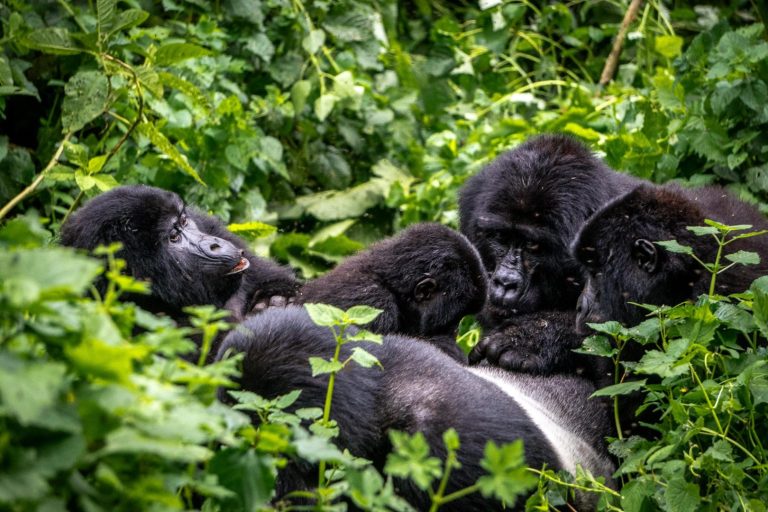
Mountain gorillas are much larger and heavier than chimpanzees. Adult male gorillas—silverbacks—are immensely powerful animals with an imposing physical presence. Chimpanzees are smaller but highly athletic.
They climb, run, swing and travel through the forest with impressive speed. These physical differences shape the tourism experience.
What Gorilla Trekking Feels Like
Gorilla trekking often begins with a hike through dense forest. Once the assigned family is located, the atmosphere can become remarkably calm. Visitors may watch gorillas:
- Feeding - Grooming - Resting - Playing - Climbing - Interacting
Young gorillas can be particularly entertaining. The presence of a silverback only a short distance away is often the defining moment.
What Chimpanzee Trekking Feels Like
Chimpanzee tracking can be much more energetic. Before seeing chimpanzees, you may hear them. The forest can suddenly fill with:
- Pant-hoots - Screams - Calls - Branch movement
Trackers may then follow the community as it travels. The experience can feel dynamic and unpredictable.
Which Is More Emotional?
This is subjective. Many travelers describe gorilla trekking as deeply emotional because of:
- The gorillas' size - Their facial expressions - Family interactions - Close observation
Chimpanzees create a different emotional response. Their intelligence, vocal communication and fast social interactions can be fascinating.
Which Is More Expensive?
Gorilla trekking is generally considerably more expensive. Mountain gorilla permits are premium conservation products with tightly controlled daily visitor numbers. Chimpanzee trekking permits are usually less expensive, although rates vary by destination and experience.
If budget allows only one premium primate activity, many first-time visitors choose gorillas.
Which Is Harder?
It depends on the day. Gorilla trekking can involve:
- Steep slopes - Dense vegetation - Mud - Several hours of hiking
Chimpanzee trekking can involve:- Faster walking - Following moving animals - Looking high into trees - Uneven trails
A short gorilla trek may be easier than a long chimpanzee chase—or vice versa.Which Requires Better Fitness?
Photography: Gorillas
Gorillas can sometimes be easier to photograph because they may remain relatively stationary. However, forest conditions create challenges:
- Low light - Dense vegetation - Dark fur - Strong contrast
A camera capable of performing well in low light is useful.
Photography: Chimpanzees
Chimpanzee photography can be more difficult. Chimpanzees may move rapidly between:
- Ground - Branches - Canopy
Fast shutter speeds and responsive autofocus are valuable. Photographers should prepare for changing exposure conditions.
Sound Experience
Chimpanzees win dramatically on vocalization. A chimpanzee community can transform a quiet forest into an explosion of sound. Gorillas are generally quieter, although they also communicate through:
- Grunts - Vocalizations - Chest beating - Body language
The atmosphere around gorillas is often more contemplative.
Best Destination for Combining Both
Uganda is exceptionally well suited to a combined gorilla and chimpanzee safari. A classic route is: Entebbe → Kibale → Queen Elizabeth → Bwindi → Entebbe.
How Many Days Do You Need?
For gorillas alone, a short trip can take around three days depending on starting point. For chimpanzees alone, a similar short itinerary may be possible. For both experiences in Uganda, approximately 6–8 days provides a much more comfortable schedule, especially when Queen Elizabeth National Park is included.
Longer itineraries improve pacing.
Permit Availability
Gorilla permits should normally be booked well in advance during popular seasons. Chimpanzee permits can also sell out. Do not confirm non-refundable accommodation before ensuring the essential primate permits are available.
Your safari operator can coordinate permit dates with the itinerary.
Minimum Age
Age restrictions apply to primate trekking. These rules protect:
- Children - Wildlife - Group management - Disease-sensitive primates
Families should verify the current age requirement for the specific activity before booking.
Health Rules
Great apes are genetically close to humans and vulnerable to some human illnesses. Visitors who are sick may be prevented from trekking. Follow rules concerning:
- Distance - Coughing - Masks where required - Food - Touching animals
Never conceal illness from park staff.
What to Wear
The packing requirements overlap considerably. For either activity, bring:
- Hiking shoes - Long trousers - Long-sleeved shirt - Rain jacket - Daypack - Water - Insect repellent
Gloves can be particularly useful in dense gorilla trekking vegetation.Porters
Which Is Better for Seniors?
Which Is Better for Families?
Which Is Better for Honeymoons?
Which Is Better for Wildlife Enthusiasts?
The experiences are sufficiently different that one does not replace the other. Seeing gorillas does not mean you have "already done" chimpanzees. Each reveals a different form of great-ape society and behavior.
Gorilla Trekking vs Chimpanzee Trekking Quick Comparison
Can You See Gorillas and Chimpanzees on One Safari?
Which Should You Choose If You Can Only Do One?
Final Verdict
The gorilla trekking vs chimpanzee trekking decision does not have to be either/or. Gorillas offer intimacy, immense physical presence and extraordinary family interactions. Chimpanzees offer speed, sound, complex social behavior and a highly energetic forest experience.
If time and budget permit, build your Uganda or Rwanda itinerary around both. Experiencing the two great apes within their natural forests provides a much deeper appreciation of East Africa's primate diversity than either activity can deliver alone.
Social Behavior
Both species have complex social structures. Gorilla groups usually center around a dominant silverback with females, juveniles and younger males. Chimpanzee communities have complex alliances, dominance relationships and subgroup dynamics.
Watching either species provides fascinating insights into primate behavior.