
Introduction
Where Is Bwindi Impenetrable National Park?
Why Is Bwindi Famous?
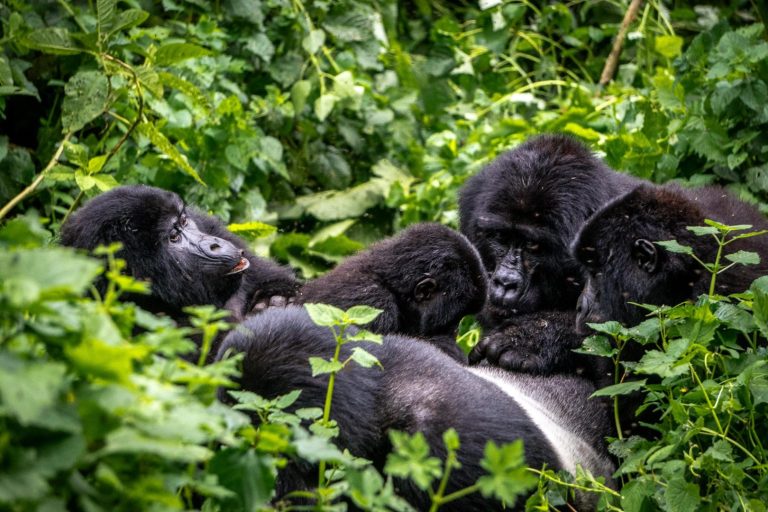
Bwindi is most famous for its mountain gorillas. Visitors travel from around the world to trek habituated gorilla families in their natural rainforest habitat. The park is also important for:
- birds
- primates
- butterflies
- forest mammals
- plants
- conservation
- and Albertine Rift biodiversity
It is therefore much more than a one-species destination.
What Are the Main Bwindi Gorilla Trekking Sectors?
The four principal sectors are:
- Buhoma - Ruhija - Rushaga - Nkuringo
Each has different accommodation and access routes. Your permit arrangements should determine where you stay.
Which Bwindi Sector Is Best?
There is no universal best sector. The ideal choice depends on:
- permit availability
- lodge preference
- safari route
- transportation
- birding interests
- scenery
- and overall budget
Do I Need a Gorilla Permit?
How Early Should I Book a Permit?
Book as early as practical when your travel dates are fixed. Advance planning is particularly important for:
- July and August
- holiday periods
- honeymoon trips
- families
- groups
- and travelers wanting particular lodges
Permit availability should ideally be checked before finalising inflexible international flights.
How Much Does a Gorilla Permit Cost?
Permit rates are determined by Uganda's responsible wildlife authorities and can change. Travelers should confirm the current official price applicable to their travel dates rather than relying on old online information. Remember that the permit is only one component of the safari cost.
What Else Determines Bwindi Safari Cost?
Other major expenses include:
- accommodation
- road transport
- domestic flights
- driver-guide services
- meals
- porter services
- additional activities
- airport transfers
- and other park fees where applicable
A short road-based budget safari costs substantially less than a premium fly-in itinerary.
How Difficult Is Gorilla Trekking?
Difficulty varies from day to day. Mountain gorillas move freely through the forest. The trek can therefore range from relatively manageable to physically demanding. Visitors should prepare for:
- hills
- mud
- slippery trails
- roots
- streams
- thick vegetation
- and several hours of walking
Reasonable fitness is strongly recommended.
How Long Does Gorilla Trekking Take?
What Is the Minimum Age for Gorilla Trekking?
Is Gorilla Trekking Safe?
Gorilla trekking is a tightly managed wildlife activity. Visitors enter the forest with trained guides and rangers and receive a briefing beforehand. Habituated gorillas are accustomed to controlled human observation but remain wild animals.
Safety depends on following ranger instructions carefully.
Are Gorilla Sightings Guaranteed?
No ethical wild-animal experience should be described as absolutely guaranteed. However, trackers and rangers maintain extensive knowledge of habituated families and their movements, and trekking has a high success rate. The gorillas remain free to move throughout the forest.
Can I Touch a Gorilla?
Can I Use Flash Photography?
Visitors should prepare cameras for natural-light forest photography. The forest can be dark, so understanding your camera's ISO, autofocus and exposure settings before the trek is extremely useful.
Should I Hire a Porter?
A porter can carry:
- water
- packed lunch
- rain gear
- camera equipment
- and personal belongings
Porters can also provide valuable assistance on steep or slippery terrain. Hiring a porter supports local employment and can significantly improve the trekking experience.
What Should I Wear?
Recommended clothing includes:
- long trousers
- long-sleeved shirt
- hiking boots
- comfortable socks
- rain jacket
- trekking or gardening gloves
- and optional gaiters
Avoid shorts and open shoes.
Does It Rain in Bwindi?
When Is the Best Time to Visit Bwindi?
Is the Rainy Season Bad for Gorilla Trekking?
Not necessarily. Trekking continues in normal rainfall. Trails may be muddier and more physically demanding, but the forest becomes intensely green and atmospheric. Good footwear and waterproof clothing are particularly important.
How Many Nights Do I Need?
What Else Can I Do in Bwindi?
Activities can include:
- birdwatching
- guided forest walks
- community experiences
- cultural visits
- photography
- and lodge-based relaxation
Serious birders may want several additional days.
Is Bwindi Good for Birdwatching?
Are There Other Primates?
Are There Elephants in Bwindi?
What Accommodation Is Available?
- budget lodges; - mid-range accommodation; - luxury forest lodges; - guesthouses; - and boutique properties.
Location is more important than simply choosing the most expensive option. Your lodge should match your trekking sector.
Can I Stay in One Sector and Trek in Another?
Technically some transfers may be possible, but it is often inefficient. Driving between sectors can take substantial time. The best solution is usually to stay close to the assigned briefing point.
Can I Drive From Entebbe to Bwindi?
A direct road transfer normally takes most of a day. Exact travel time depends on traffic, stops, road conditions and trekking sector. A private 4x4 safari vehicle is recommended.
Can I Fly to Bwindi?
Yes, using domestic flights to regional airstrips followed by road transfers. Kihihi is generally useful for northern Bwindi and Buhoma. Kisoro is generally more practical for southern Bwindi, including Rushaga and Nkuringo.
Current flight schedules should always be confirmed.
Can I Travel From Kigali to Bwindi?
Yes, cross-border road itineraries may be possible. Travelers need to confirm current:
- visa requirements
- immigration rules
- vehicle arrangements
- border procedures
- and entry requirements
Can Bwindi Be Combined With Queen Elizabeth National Park?
Can Bwindi Be Combined With Kibale?
Can Bwindi Be Combined With Mgahinga?
This works especially well for travelers focusing on southwestern Uganda.
Is Bwindi Suitable for Honeymooners?
Bwindi has intimate forest lodges, dramatic landscapes and private safari options. Couples can combine gorilla trekking with:
- luxury accommodation
- private dining
- spa treatments
- game drives
- and a later beach extension
Is Bwindi Suitable for Solo Travelers?
Is Bwindi Suitable for Groups?
However, large groups should plan early because:
- permits are limited
- lodges can be small
- several safari vehicles may be required; and - the group may need to split for the actual gorilla treks
Is Bwindi a UNESCO World Heritage Site?
What Should I Pack Besides Trekking Gear?
Useful general safari items include:
- - binoculars; - camera; - power bank; - travel adapter; - sunscreen; - insect repellent; - light sweater; - casual lodge clothing; - personal medication; - and travel documents.
- Pack relatively lightly, particularly if using domestic flights.
Do I Need Travel Insurance?
Yes, comprehensive travel insurance is strongly recommended. Your policy should suit:
Read the policy terms carefully.
Should I Arrive the Day Before Trekking?
Can I Leave Immediately After Trekking?
You could theoretically leave if the trek finishes early, but this is not ideal. The duration of the forest search is unpredictable. Most travelers stay another night and continue the safari the following morning. This creates a much more comfortable schedule.
What Is the Best First-Time Bwindi Itinerary?
Final Bwindi Planning Advice
The answers to most Bwindi FAQs lead back to the same planning principle: organise your safari around the gorilla permit and trekking sector. Confirm the permit first. Choose a nearby lodge.
Then organise the most efficient road or air transfer. Arrive before trekking day, pack for both rain and steep terrain and consider hiring a porter. If your schedule allows, spend an additional day experiencing the forest, birds, surrounding communities or simply the atmosphere of southwestern Uganda.
Bwindi may be famous for one extraordinary wildlife encounter, but a well-planned visit reveals much more—an ancient mountain rainforest, remarkable biodiversity, spectacular highland landscapes and one of the most important conservation destinations in Africa.