
Introduction
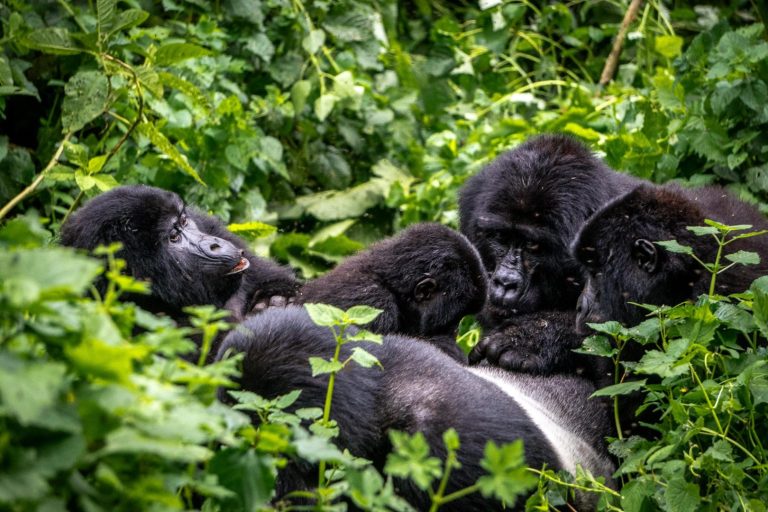
Uganda offers mountain gorilla trekking in Bwindi Impenetrable National Park and Mgahinga Gorilla National Park, both located in the southwestern part of the country. The experience involves hiking through natural forest with trained guides and rangers to locate a habituated gorilla family.
Because gorillas live freely in the forest, every trek is different.
What Is Gorilla Trekking?
Gorilla trekking is a guided forest activity in which visitors hike into mountain gorilla habitat to locate a habituated gorilla family. Once the gorillas are found, visitors spend a regulated period observing them under the supervision of guides and rangers.
The encounter may include watching gorillas feed, rest, groom one another, play or move through the vegetation. It is a wildlife experience rather than a staged attraction, so behavior and trekking conditions vary from one day to another.
Where Can You Go Gorilla Trekking in Uganda?
Bwindi Impenetrable National Park
Bwindi is Uganda's best-known gorilla destination and has several trekking sectors: - Buhoma; - Ruhija; - Rushaga; and - Nkuringo. The sector used for your trek affects where you should stay and how transfers are organised.
Mgahinga Gorilla National Park
Mgahinga is located in the Virunga region near Uganda's borders with Rwanda and the Democratic Republic of Congo. It offers a dramatic volcanic landscape and can be particularly convenient for travelers using southwestern regional routes.
Do You Need a Permit?
Every visitor participating in gorilla trekking requires an individual gorilla permit. Permits are limited and should be arranged before travel, particularly during popular months.
Your safari itinerary should ideally be built around confirmed permit availability rather than booking accommodation first and trying to find suitable permits afterward.
How Far in Advance Should Gorilla Permits Be Booked?
The earlier the better if your dates are fixed. High-demand months, public holidays and popular safari periods can produce strong competition for permits and nearby accommodation. Large groups, honeymooners and families should especially consider early booking because they may require several permits for the same day.
Travelers with more flexible schedules can sometimes have additional options.
Is Gorilla Trekking Difficult?
Difficulty depends on:
- the location of the gorillas
- terrain
- rainfall
- trail conditions
- altitude
- personal fitness; and - the duration of the search
Some treks are relatively short. Others involve several hours of walking through steep and uneven forest. Visitors should prepare for hills, mud, exposed roots, vegetation and potentially slippery paths.
How Long Does Gorilla Trekking Take?
There is no guaranteed trekking duration. The entire activity may occupy a substantial part of the day. Trekkers generally begin with a morning briefing before entering the forest.
The search can take a relatively short time or several hours depending on where the gorillas are located. Travelers should therefore avoid scheduling another tightly timed activity immediately after the trek.
What Is the Minimum Age for Gorilla Trekking?
Are Gorilla Sightings Guaranteed?
No wild animal encounter should be described as absolutely guaranteed. However, tracking teams, guides and rangers have extensive knowledge of the gorilla families and their movements.
The success rate is typically high, but travelers should understand that they are entering a natural forest and not visiting animals in an enclosure. Weather, gorilla movement and other natural factors influence every trek.
Is Gorilla Trekking Safe?
Gorilla trekking is a regulated activity conducted with professional guides and rangers. Visitors receive instructions before entering the forest and must follow the rules around gorillas. Habituated gorillas are accustomed to controlled human visits but remain powerful wild animals.
Safety depends on remaining calm, following ranger instructions and respecting conservation regulations.
What Should You Wear?
Recommended trekking clothing includes:
- long trousers
- long-sleeved shirt
- hiking boots with good grip
- comfortable socks
- waterproof rain jacket
- gloves; and - a hat where useful
Avoid shorts and light casual footwear. The vegetation can be dense and trails can be muddy or slippery.
What Should You Carry?
A practical daypack may contain:
- drinking water
- packed food where provided
- rain jacket
- camera
- spare battery
- insect repellent
- sunscreen
- personal medication
- waterproof storage for electronics; and - small personal essentials
Avoid carrying unnecessary weight. A porter can carry the backpack and assist on difficult terrain.
Should You Hire a Porter?
Yes, it is highly recommended. Porters can carry your bag and provide valuable physical assistance on steep or slippery sections. Using porters can make the trek more enjoyable, even for travelers who consider themselves fit.
Porter services also provide direct economic benefits to local communities.
When Is the Best Time for Gorilla Trekking?
Gorilla trekking operates throughout the year. Relatively drier periods are often popular because trail conditions may be easier, but rain remains possible at any time.
Travelers should choose dates according to the complete safari itinerary rather than expecting a specific month to guarantee perfect trekking conditions.
Can You Trek Gorillas in the Rain?
What Happens During the Gorilla Encounter?
Once the gorillas are located, visitors follow the instructions of their guide. You may observe adults, juveniles, infants and sometimes a dominant silverback. The gorillas may feed, rest or move through vegetation during the encounter.
Visitors should remain quiet, maintain appropriate behavior and avoid actions that disturb the animals.
Can You Touch the Gorillas?
Can You Use Flash Photography?
Flash photography should not be used around gorillas. Camera settings should therefore be prepared for low-light forest conditions. Photographers should understand their equipment before the trek because valuable encounter time should not be spent learning camera settings.
Is Gorilla Trekking Suitable for Older Travelers?
Age alone does not determine suitability. Many older travelers successfully complete gorilla treks. Fitness, mobility and health are more important considerations. Travelers should discuss any significant limitations during planning and should seriously consider hiring porters.
Can Solo Travelers Go Gorilla Trekking?
Solo travelers can obtain individual permits and join the standard trekking arrangements. The road-safari portion can be organised privately or as part of a group departure. Solo travelers typically meet other visitors during the actual trek.
Can Couples Trek Together?
Couples booked together are generally planned around the same trekking arrangements where possible, subject to the park allocation system. The wider safari can be completely private even when the actual gorilla trek includes other visitors.
Can Large Groups Trek Together?
Large parties may need to split into smaller trekking groups. This depends on the number of participants and available gorilla-family allocations. Group organizers should plan permits and accommodation well in advance.
Which Is Better: Bwindi or Mgahinga?
There is no universal answer. Bwindi provides several trekking sectors, extensive accommodation choices and convenient combinations with destinations such as Queen Elizabeth National Park. Mgahinga offers dramatic Virunga scenery and can be excellent for particular regional itineraries.
The best choice depends on permit availability, routing and individual interests.
How Many Days Are Needed for a Gorilla Safari?
The answer depends on your starting point and transport method. A short gorilla-focused trip may require only a few days. A more complete Uganda safari may take 7–14 days and include destinations such as:
Allowing more time creates a less rushed journey.
Can You Fly to Bwindi?
Domestic flights can reduce long road journeys. Travelers may fly toward airstrips serving southwestern Uganda before continuing by road to their lodge. The exact transfer arrangement depends on the trekking sector and itinerary.
Road safaris remain popular because they allow travelers to see more of the countryside and visit other national parks.
What Type of Accommodation Is Available?
The Bwindi region offers:
- budget lodges
- mid-range properties
- luxury forest lodges; and - smaller boutique accommodation
The most important issue is location. Your lodge should be reasonably positioned for the correct trekking sector. A luxurious property far from the assigned briefing point may create unnecessary travel.
How Much Does Gorilla Trekking Cost?
The total safari cost involves much more than the gorilla permit.
- permits
- accommodation
- private transportation
- guide services
- park fees
- meals
- domestic flights
- additional activities; and - airport transfers
Prices vary significantly according to safari length and comfort level.
Is Gorilla Trekking Worth It?
What Should You Do Before Booking?
Before paying for a complete trip:
These steps reduce the likelihood of logistical problems.
Final Gorilla Trekking FAQ Advice
The most useful answer across many gorilla trekking FAQs is simple: prepare for a real wilderness experience. Do not expect predictable weather, perfectly level trails or animals waiting beside the road. Expect forest, hills, changing conditions and the possibility of a physically demanding day.
At the same time, expect an experience that few other wildlife activities can reproduce.
Good planning—especially around permits, accommodation location, trekking equipment and physical preparation—allows you to concentrate on the most important moment: entering the forest and seeing mountain gorillas living naturally in one of Africa's great rainforest ecosystems.