
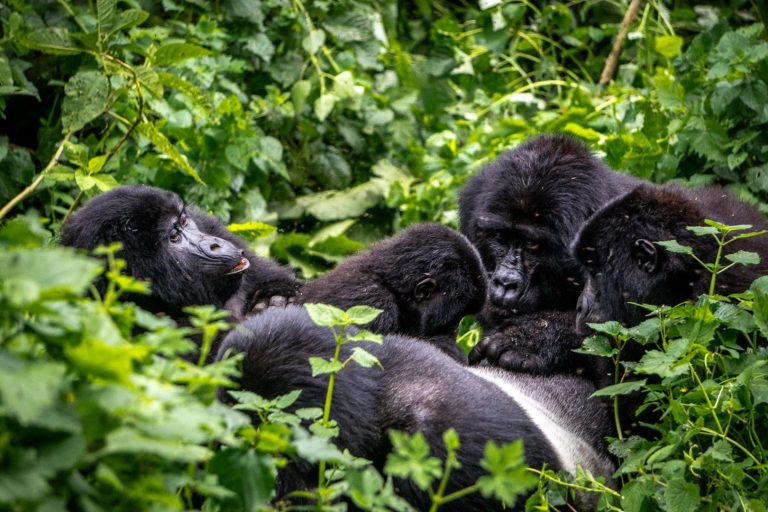
Buying appropriate travel insurance for gorilla trekking is one of the most important financial and practical preparations for a safari in Uganda or Rwanda. Gorilla permits, international flights, safari lodges and private transport can represent a substantial investment, while trekking itself takes place in mountainous forest areas where access to advanced medical care may be limited.
The right travel policy should therefore go beyond basic lost-luggage protection. It should reflect your full itinerary, the value of your prepaid arrangements, the physical activities you intend to undertake and the possibility of emergency medical treatment or evacuation.
Introduction
Current UK travel advice for both Uganda and Rwanda specifically recommends obtaining appropriate insurance that covers the itinerary, planned activities and expenses arising from emergencies.
Do You Need Travel Insurance for Gorilla Trekking?
Yes, comprehensive travel insurance is strongly recommended for gorilla trekking. A gorilla safari involves several expensive and often time-sensitive arrangements. These can include:
– Gorilla permit – International airfare – Domestic flights – Safari vehicle – Accommodation – Private guide – Chimpanzee permits – Park activities – Cross-border transfers
If illness, injury or another covered event prevents travel, uninsured costs can be significant. Insurance does not remove the disappointment of missing a trip, but an appropriate policy can reduce the financial consequences.
Does Standard Travel Insurance Cover Gorilla Trekking?
Policies vary significantly. Some insurers treat gorilla trekking as a normal guided walking activity, while others classify it under trekking, hiking, adventure travel or activities above specific elevations. Before buying a policy, check the wording carefully.
Do not assume that a policy marketed as "worldwide travel insurance" automatically covers gorilla trekking. Ask the insurer directly if the wording is unclear.
What Should Gorilla Trekking Insurance Cover?
A strong policy should ideally include appropriate protection for:
– Emergency medical treatment – Medical evacuation – Repatriation – Trip cancellation – Trip interruption – Travel delays – Missed connections – Lost or delayed baggage – Theft – Personal liability – Trekking activities
Coverage levels should reflect the value and complexity of your safari.
Emergency Medical Expenses
Medical coverage is one of the most important parts of the policy. A minor illness may require only local treatment, but a serious injury could involve hospitalization. Uganda's safari parks and gorilla trekking areas can be far from major medical facilities. Rwanda has medical services in Kigali, but current UK travel advice notes that healthcare facilities can be limited and serious illness or injury may require air evacuation to Kenya or South Africa. Choose a policy with a medical coverage limit appropriate for international emergency care.
Medical Evacuation
Medical evacuation deserves particular attention. Gorilla trekking takes place in forested and mountainous terrain. Road access may be slow, and serious cases may need transportation from a remote area to a better-equipped medical facility. Your insurance should ideally cover medically necessary evacuation. Check whether evacuation can be provided: – By road ambulance – By aircraft – To a regional medical center – To another country if necessary – Back to your home country when medically justified Do not assume ordinary medical coverage automatically includes evacuation.
Repatriation
Repatriation coverage deals with transport home following serious illness or other covered circumstances. Although travelers hope never to use this benefit, the cost of arranging international medical transport without insurance can be extremely high. Read the policy wording carefully to understand when repatriation is authorized. Insurers usually require their assistance team to coordinate or approve major arrangements.
Trip Cancellation
A gorilla safari often requires significant payment well before departure. Gorilla permits may be booked months in advance. Lodges, flights and other services may also have strict cancellation conditions. Trip cancellation insurance can help reimburse eligible prepaid, non-refundable costs when travel must be cancelled for a covered reason. Covered reasons depend on the policy and may include specified illness, injury or other unforeseen events.
Gorilla Permit Cancellation
Do not assume that the value of a gorilla permit will automatically be reimbursed. Policies differ in how they treat permits, excursions and prepaid activities. Before purchasing insurance, ask whether your policy covers non-refundable gorilla trekking permits when a covered event prevents travel. Keep invoices, booking confirmations and permit-related receipts. Documentation is essential if a claim is made.
Trip Interruption
Trip interruption coverage applies when a journey has already begun but must be shortened or changed because of a covered event. For example, serious illness may force a traveler to leave Uganda or Rwanda early. A suitable policy may help with eligible unused services and additional transport costs. Again, policy conditions differ.
Missed Connections
East African safari itineraries sometimes involve: – International flights – Regional flights – Domestic air transfers – Long road transfers – Border crossings A missed connection can have consequences beyond the airline ticket itself. You might lose a lodge night, domestic flight or permit-linked activity. Check whether your insurance includes missed departure or missed connection benefits and understand what documentation is required.
Flight Delays
Flight delays can affect the beginning of a safari. For example, arriving in Entebbe a day late may require substantial itinerary changes if the next day's plan includes a long transfer toward Bwindi. Similarly, arriving late in Kigali can interfere with a planned Volcanoes National Park itinerary. Travel delay coverage may reimburse certain additional expenses after the qualifying delay period specified in the policy.
Baggage Coverage
Safari travelers often carry valuable equipment. Items may include: – Cameras – Lenses – Binoculars – Laptop – Smartphone – Trekking equipment Basic baggage insurance may impose relatively low per-item limits. If you are carrying expensive photography equipment, check individual-item limits and total electronics coverage. Specialist equipment insurance may be worthwhile for professional or high-value camera gear.
Delayed Baggage
Delayed baggage can be inconvenient when a gorilla trek is only a day or two away. A policy may reimburse essential replacement items after a specified delay. Pack critical trekking items in hand luggage where practical. Consider carrying: – Essential medication – One trekking outfit – Lightweight rain jacket – Basic toiletries – Important documents Do not put everything needed for the trek in checked baggage.
Trekking Altitude Limits
Many travel insurance policies set limits on hiking or trekking altitude. This should be checked before purchase. Gorilla trekking in Uganda and Rwanda takes place in mountainous regions where elevation can be significant. Ask your insurer whether the policy specifically covers guided trekking in the relevant destination and altitude range. Avoid relying on vague assumptions.
Is Gorilla Trekking Considered Adventure Travel?
Some insurers may classify it as an adventure activity. Others may include it under standard hiking. The wording matters more than the marketing label. Look for policy sections dealing with:
– Trekking – Hiking – Guided walks – Adventure activities – Altitude limits – Wildlife activities
If an insurer confirms coverage by email or written communication, retain that documentation.
Pre-Existing Medical Conditions
Travelers with pre-existing conditions should disclose them accurately when required. Failing to declare a medical condition can potentially invalidate related claims. Some insurers offer coverage following medical screening or payment of an additional premium. Always answer medical questions truthfully. This is especially important for travelers with heart conditions, mobility issues or other conditions potentially relevant to strenuous trekking.
Age Limits
Some policies have different rules for older travelers. – Premium – Maximum trip duration – Medical coverage – Activity coverage – Excess – Screening requirements Older travelers should compare specialist policies if ordinary coverage is restrictive. Gorilla trekking can be successfully enjoyed by many older visitors with appropriate preparation, but insurance should match the individual traveler.
Insurance for Uganda Gorilla Trekking
Uganda gorilla trekking normally takes place in:
– Bwindi Impenetrable National Park – Mgahinga Gorilla National Park
Both are in southwestern Uganda. Bwindi's trekking trails can be steep, muddy and physically demanding. Current UK travel advice recommends appropriate insurance for Uganda covering local treatment and unexpected medical evacuation, noting that medical assistance can be limited outside Kampala.
This makes evacuation coverage particularly important.
Insurance for Rwanda Gorilla Trekking
Rwanda's gorilla trekking takes place in Volcanoes National Park. The starting area is relatively accessible from Kigali compared with some Uganda routes, but trekking itself still occurs on mountainous forest terrain.
Rwanda travel advice similarly recommends appropriate insurance and notes the potential need for air ambulance evacuation in serious cases. Do not assume Rwanda's shorter road distances mean insurance is unnecessary.
Uganda and Rwanda Combined Safaris
A combined safari may involve crossing an international border. Make sure the policy covers every country on your itinerary. If you add Kenya, Tanzania or another destination, confirm those countries are included too.
Worldwide policies sometimes exclude specific countries or regions because of official travel warnings. Always review the territorial limits.
Official Travel Advisories and Insurance
Government travel advisories can affect insurance validity. Current UK guidance for Rwanda, for example, advises against all but essential travel to specific areas near the Democratic Republic of Congo border and explicitly warns that insurance may be invalidated when traveling against official advice.
Policies issued in other countries may have similar exclusions linked to official government advisories. Check current advice for every area included in your itinerary.
Choosing a Reputable Safari Operator
Insurance and responsible safari planning work together. An experienced operator should use established routes, licensed park activities and reputable accommodation. Current UK travel advice for Uganda recommends using reputable, registered operators for gorilla trekking areas near the DRC and Rwanda borders.
Insurance should complement—not replace—sound operational planning.
Adventure Sports Exclusions
Read the exclusions section carefully. A policy may exclude: – Certain trekking – Mountaineering – Activities above a defined altitude – Motorcycling – White-water rafting – High-risk sports If your Uganda or Rwanda safari includes rafting, hiking volcanoes, cycling or other activities in addition to gorilla trekking, make sure these are separately covered.
Alcohol and Insurance Claims
Many travel insurance policies contain exclusions relating to intoxication or reckless behavior. Review the terms. A claim resulting from behavior that breaches the policy may be rejected. Following local laws, park rules and guide instructions is always important.
Insurance for Camera Equipment
Wildlife photography equipment can easily exceed ordinary baggage limits. – Maximum claim per item – Maximum total electronics coverage – Theft conditions – Unattended baggage exclusions – Vehicle-related exclusions Professional photographers may require separate equipment insurance. Keep serial numbers and purchase receipts where possible.
What Documents Should You Carry?
Keep accessible copies of:
– Insurance certificate – Policy number – Emergency assistance number – Passport – Safari itinerary – Medical information – Booking invoices – Gorilla permit documentation
Save these offline on your phone and carry a printed summary. Your traveling companion should also know where the insurance information is stored.
What to Do in an Emergency
In a serious situation:
1. Inform your safari guide. 2. Obtain immediate medical attention where needed. 3. Contact the insurer's emergency assistance service as soon as practical. 4. Follow insurer authorization procedures for expensive treatment or evacuation. 5. Keep receipts and medical reports.
In Uganda, current UK advice lists 999 for emergency services. In Rwanda, 112 can be used for ambulance and police emergencies.
Keep Evidence for Claims
Insurance claims usually require documentation.
– Medical reports – Police reports where relevant – Airline delay confirmation – Baggage reports – Receipts – Booking invoices – Cancellation notices – Proof of payment
Do not dispose of paperwork until the claim has been resolved.
When Should You Buy Travel Insurance?
Ideally, purchase insurance soon after making significant non-refundable bookings. Some cancellation benefits begin only after the policy is purchased. Buying insurance the day before departure may leave earlier financial commitments unprotected against events that occurred beforehand.
Compare policies before paying large safari deposits.
Questions to Ask an Insurer
Before purchasing, ask:
– Does the policy cover gorilla trekking? – What is the maximum trekking altitude? – Are Uganda and Rwanda both covered? – Is medical evacuation covered? – Are gorilla permits treated as insured prepaid expenses? – What is the cancellation limit? – Are pre-existing conditions covered? – What is the camera equipment limit? – Are official travel-advisory exclusions applicable? – What emergency number should I use abroad?
Get important clarifications in writing.
Travel Insurance Checklist
Before your safari, confirm:
– Gorilla trekking is covered – Medical expenses are covered – Evacuation is covered – Repatriation is covered – Cancellation coverage matches trip value – Uganda and/or Rwanda are included – Other safari countries are included – Trekking altitude is acceptable – Pre-existing conditions have been declared – Camera limits are sufficient – Emergency contact details are saved – Policy documents are available offline
Travel With Appropriate Protection
The best travel insurance for gorilla trekking is not necessarily the cheapest policy. It is the policy that genuinely matches your itinerary and financial exposure.
A Uganda or Rwanda gorilla safari can involve remote forests, expensive permits, international flights and prepaid lodges. Appropriate insurance protects against some of the financial consequences when serious unexpected events interfere with the journey.
Current travel advice for both destinations emphasizes insurance that covers the actual itinerary, activities and emergency expenses.
Read the policy carefully, declare relevant medical conditions and confirm gorilla trekking coverage before purchase. Once suitable protection is in place, you can travel with greater confidence and focus on the extraordinary experience of encountering mountain gorillas in their natural habitat.