
Introduction
A successful photography safari therefore requires preparation, appropriate equipment, careful itinerary planning and realistic expectations.
Why Choose Gorilla Photography Safaris?
Any visitor with a camera can photograph mountain gorillas, but travelers whose primary goal is photography benefit from an itinerary designed around that objective. Important considerations include:
Best Gorilla Photography Destinations in Uganda
Bwindi Impenetrable National Park
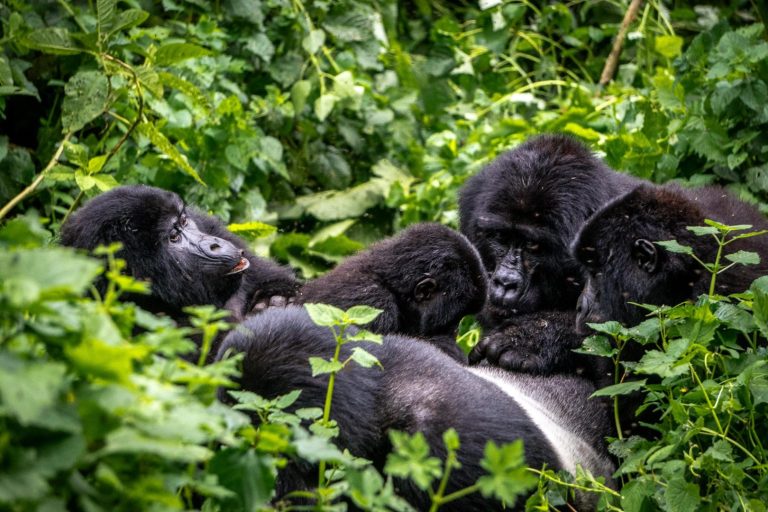
Bwindi provides extensive gorilla trekking opportunities across several sectors. Its dense rainforest creates beautiful but technically demanding photography. The forest can produce rich green backgrounds, shafts of light and intimate portraits framed by vegetation. Because Bwindi has several trekking sectors, your lodge must be selected according to your permit location. Photographers carrying valuable equipment especially benefit from avoiding unnecessary long transfers before trekking.
Mgahinga Gorilla National Park
Mgahinga offers a different visual environment. The park lies within the Virunga Mountains, where bamboo forest and volcanic scenery can provide distinctive photographic opportunities. Photographers can also add golden monkey tracking, creating a second primate subject within the same region.
What Happens on a Gorilla Photography Trek?
After an early breakfast, transfer to the designated briefing point. Park personnel explain trekking rules and assign visitors to habituated gorilla families. You then enter the forest with trackers and a ranger guide.
Carrying Camera Equipment
The trek can be physically demanding. Photographers should strongly consider hiring a porter. A camera body, lens, water, rain jacket and other essentials quickly become heavy on steep terrain. A porter can carry the daypack while you keep essential camera equipment accessible. This allows you to conserve energy for photography once the gorillas are located.
Photographing the Gorilla Family
When trackers locate the gorillas, you approach according to ranger instructions. Photography must never interfere with conservation regulations. The gorillas' welfare takes priority over obtaining a particular image.
You may find a silverback sitting in relatively open vegetation, or the family may be spread through dense forest. Conditions cannot be staged. This unpredictability is part of authentic wildlife photography. Potential subjects include:
- Silverback portraits - Mothers with infants - Juveniles playing - Feeding behavior - Grooming - Hands and facial details - Environmental portraits - Interactions between family members - Gorillas moving through vegetation
The best approach is to observe behavior rather than continually searching for posed portraits.
Camera Settings for Gorilla Photography
Exact settings depend on available light, equipment and creative preference. Forest conditions can change quickly, so photographers should understand their cameras before arriving. A relatively fast shutter speed can help when juveniles are moving.
For a resting silverback, slower speeds may be possible if the photographer and subject remain steady. Modern cameras with strong high-ISO performance are particularly useful because forest light is often limited.
Photographers should practice changing ISO, shutter speed and autofocus settings without needing to look through menus for long periods. The gorilla viewing period passes quickly.
Lens Choice
A medium telephoto zoom is highly versatile. Extremely long wildlife lenses may be less useful than expected because gorillas can sometimes be encountered at relatively close range and dense vegetation limits clear sightlines. A zoom provides flexibility when the distance between photographer and subject changes.
A second camera body with another focal length can reduce the need to change lenses in damp or dusty conditions. However, every extra piece of equipment adds weight. The best kit is often simpler than photographers initially imagine.
Flash Photography
Flash should not be used around mountain gorillas. Photographers must therefore be prepared to work with natural forest light. This makes lens speed, camera stabilization, high-ISO performance and good handholding technique important.
Following all ranger instructions is mandatory.
Protecting Camera Equipment From Rain
Bwindi and Mgahinga are mountain forest environments. Rain can occur even during relatively dry seasons. Carry waterproof protection that can be deployed quickly. Useful items include:
- Camera rain cover - Waterproof daypack cover - Dry bags - Lens cloths - Microfiber cloth - Spare cloth for condensation - Protective pouches for batteries and memory cards
Avoid carrying so much protective equipment that accessing the camera becomes difficult.
Multiple Gorilla Treks for Photographers
One of the strongest recommendations for serious gorilla photography safaris is to trek more than once when budget and permit availability allow. Wildlife photography is unpredictable. On the first trek, the gorillas may remain in dense vegetation. On another day, they may spend more time in a comparatively open area.
Behavior also changes constantly. A second trek provides another opportunity rather than placing every photographic expectation on one encounter. Each trek requires a separate permit.
Gorilla Permits
Every photographer requires the same official gorilla trekking permit as other visitors. A camera does not provide additional viewing privileges or permission to disregard trekking rules. Permits are limited and tied to specific dates and locations.
Photographers planning several treks should book particularly early because multiple permits must be coordinated with accommodation. Current permit costs and rules should be confirmed when arranging the safari.
Photography Etiquette
Photography should never disrupt the experience of other trekkers. Avoid repeatedly moving in front of other visitors, blocking viewing positions or making excessive noise. Listen to the ranger's instructions about where to stand.
A good wildlife photographer works with the available situation rather than attempting to control it. Respect for the animals, guides and fellow trekkers is fundamental.
Private Gorilla Photography Safari
Although gorilla trekking itself normally takes place in regulated groups, the rest of the safari can be private. A private vehicle is particularly useful for photographers because it provides space for equipment and flexibility during road transfers.
Where safe and appropriate, the guide can stop for landscapes, birds, villages or wildlife encountered along the route.
Add Chimpanzee Photography
Kibale National Park can provide a fascinating second great-ape subject. Chimpanzees are considerably faster and more mobile than gorillas. They may remain high in trees or move rapidly along the forest floor.
Photographing chimpanzees requires quick reactions and creates a very different technical challenge. Combining both species produces a strong primate photography itinerary.
Golden Monkey Photography
Golden monkeys are another rewarding subject. Their bright coloration contrasts beautifully with green bamboo forest. However, they are energetic and frequently move between stems.
Add Savannah Wildlife Photography
Uganda's western circuit makes it possible to continue from gorilla country to savannah parks. Photographers can search for elephants, buffaloes, antelopes, lions and other wildlife. Boat safaris can produce opportunities to photograph hippos, crocodiles and birds from water level.
A longer itinerary therefore provides an extensive portfolio of primates, mammals, birds and landscapes.
Fly-In Photography Safaris
Domestic flights can reduce long road journeys, but photographers must pay close attention to luggage allowances. Professional camera equipment can be heavy. Before confirming a fly-in itinerary, discuss camera bodies, lenses and other equipment so that baggage restrictions can be considered.
Soft-sided luggage is usually more practical for light aircraft. Never assume an international airline baggage allowance applies to a domestic safari flight.
Best Time for Gorilla Photography
Gorillas can be photographed throughout the year. Drier periods may provide easier trekking conditions, but rainforest weather remains unpredictable. Cloudy conditions are not necessarily bad for photography.
Soft overcast light can reduce harsh contrast and produce attractive portraits. Rain can create rich colors and atmospheric forest scenes, although equipment protection becomes more important. Photography conditions depend more on the gorillas' location and immediate weather than on a simple "best month."
What Photographers Should Pack
A practical kit may include:
- - Camera body - Versatile telephoto zoom - Optional second camera body - Spare batteries - Multiple memory cards - Waterproof camera cover - Lens cloths - Small dry bags - Waterproof hiking boots - Long trousers - Long-sleeved shirt - Rain jacket - Trekking gloves - Gaiters - Small backpack - Drinking water
- Keep the trekking load manageable.
Accommodation for Photographers
Lodge location is critical. A property close to the trekking point reduces early-morning travel and gives you more time to prepare equipment. Photographers may also value reliable charging facilities, secure rooms, good lighting for equipment organization and laundry services.
Those traveling with substantial gear should discuss charging and storage needs in advance.
Book Gorilla Photography Safaris
Gorilla Photography Safaris provide an exceptional opportunity to document mountain gorillas while experiencing the forests and landscapes that sustain them.
The strongest itineraries combine confirmed permits, correctly positioned accommodation, porter support, private transportation and enough trekking opportunities to work with the unpredictability of wildlife photography.
Contact us with your travel dates, preferred number of gorilla treks, camera equipment requirements and accommodation level to create a customized Uganda gorilla photography safari.