
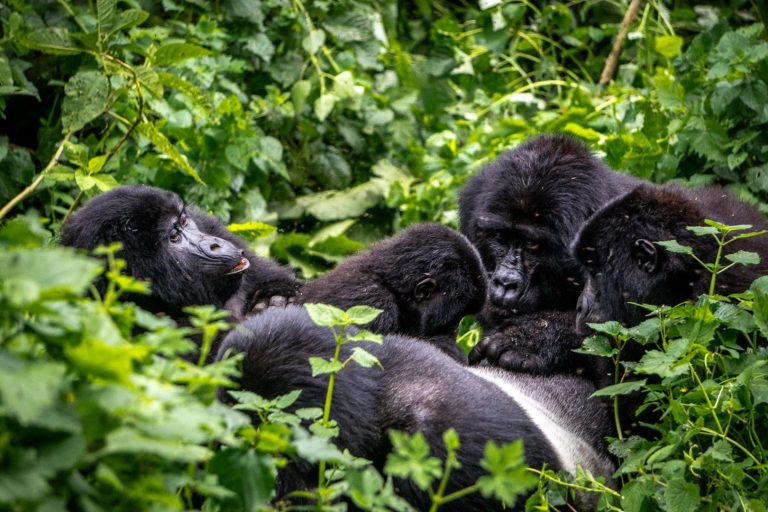
Introduction
Uganda Wildlife Authority describes gorilla tracking as requiring moderate fitness, with treks potentially lasting several hours depending on the location of the gorillas.
That uncertainty is part of what makes the experience an adventure.
How Fit Do You Need to Be?
Most travelers who are generally healthy, can walk for several hours with breaks and can manage hills have a realistic chance of enjoying gorilla trekking. Most travelers who are generally healthy, can walk for several hours with breaks and can manage hills have a realistic chance of enjoying gorilla trekking.
You do not need specialist mountaineering skills. You should, however, be comfortable with sustained walking. A person who spends most days sitting and does no exercise may find a long trek significantly harder than someone who walks regularly.
The objective of pre-trip training is therefore not to turn you into an endurance athlete. It is simply to make several hours of moderate physical activity feel familiar rather than completely new.
Start Walking Before Your Safari
Walking is the most useful form of preparation because it closely resembles what you will actually do. Walking is the most useful form of preparation because it closely resembles what you will actually do. Begin several weeks before departure if possible.
Start with manageable distances and gradually increase them. If you already walk frequently, extend some sessions to one or two hours. Try to maintain a comfortable, steady pace rather than concentrating on speed.
The ability to keep moving consistently is more valuable than being able to sprint or perform high-intensity exercise for a short period.
Include Hills
Gorilla habitats are mountainous. Gorilla habitats are mountainous. Flat-road walking is useful for general fitness, but hill training provides better preparation.
If you live near hills, incorporate them into your routine. If you live somewhere flat, use stairs, a treadmill with an incline or repeated climbs in a building. Walking uphill strengthens the legs and cardiovascular system.
Walking downhill is also important because descending steep trails can place additional stress on the knees and thighs.
Strengthen Your Legs
Basic leg strength improves stability and endurance. Basic leg strength improves stability and endurance. Simple movements such as squats, step-ups, lunges and controlled stair climbing can help.
You do not need sophisticated gym equipment. Consistency matters more than intensity. A small amount of strength training two or three times each week can complement regular walking.
Travelers with existing joint problems or other medical considerations should seek suitable professional advice before beginning a new exercise program.
Improve Balance
Forest trails can contain roots, rocks and slippery mud. Forest trails can contain roots, rocks and slippery mud. Balance is therefore useful.
Walking on natural trails rather than only paved roads can help your body become accustomed to uneven surfaces. Simple balance exercises may also improve confidence. Good hiking boots with proper grip contribute significantly to stability.
Gardening-style gloves can also be useful because trekkers occasionally use vegetation for support.
How Long Can a Gorilla Trek Take?
There is no fixed trekking duration. There is no fixed trekking duration. The location of the gorillas determines the amount of walking required.
A family may be found relatively close to the starting point. Another may have moved farther into the forest. Uganda Wildlife Authority notes that tracking may last approximately two to seven hours depending on circumstances.
Travelers should therefore prepare mentally and physically for a longer day even if the actual trek turns out to be shorter. It is better to train for several hours and enjoy an easy trek than prepare for thirty minutes and face a demanding climb.
Bwindi Fitness Requirements
Bwindi Impenetrable National Park contains rugged mountainous terrain. Bwindi Impenetrable National Park contains rugged mountainous terrain. Different trekking sectors have different landscapes, and the gorillas' movements change constantly.
Some trails can involve substantial climbing. Rain can transform firm paths into mud. Vegetation may also slow progress.
A reasonable level of fitness is particularly valuable here. However, many travelers of different ages successfully complete Bwindi treks every year. The key is preparation, good equipment and appropriate assistance.Mgahinga Fitness Requirements
Mgahinga Gorilla National Park lies within the Virunga Mountains. Mgahinga Gorilla National Park lies within the Virunga Mountains. Its volcanic setting means trekking can also involve significant changes in elevation.
Rwanda Gorilla Trekking Fitness
Rwanda's Volcanoes National Park also contains mountainous terrain. Rwanda's Volcanoes National Park also contains mountainous terrain. Visit Rwanda advises visitors to wear sturdy walking shoes and prepare for trekking through thick vegetation.
The difficulty varies according to the gorilla family and its location. Some visitors experience relatively manageable walks. Others undertake longer climbs. Physical preparation is therefore useful regardless of the lodge category or safari price.
Can Older Travelers Trek Gorillas?
Age by itself does not determine trekking ability. Age by itself does not determine trekking ability. Many travelers in their sixties and seventies remain active hikers and may be better prepared than younger visitors who do no regular exercise.
Senior travelers should assess fitness realistically and discuss mobility concerns during safari planning. A slower itinerary surrounding the trek can also help. Avoid exhausting yourself with an extremely long road transfer immediately before trekking day.
Can Overweight Travelers Trek?
Body size alone does not determine whether someone can participate successfully. Body size alone does not determine whether someone can participate successfully. Fitness, cardiovascular health, joint condition, balance and walking experience are more relevant.
A heavier traveler who walks frequently may cope better than a lighter person who is extremely sedentary. Preparation should focus on practical walking ability rather than appearance. If you have health concerns, obtain appropriate professional medical guidance before undertaking strenuous travel activities.
Hire a Porter
A porter is one of the best ways to reduce physical strain. A porter is one of the best ways to reduce physical strain. Porters can carry your daypack, water, lunch and camera equipment.
They can also provide a steady hand on steep or slippery ground. Hiring a porter does not mean you are unfit. Even experienced hikers frequently appreciate the assistance. It also creates direct local employment connected with gorilla tourism.
Keep Your Daypack Light
Do not make the trek unnecessarily difficult by carrying a heavy backpack. Do not make the trek unnecessarily difficult by carrying a heavy backpack. Bring only essentials such as water, rain protection, camera equipment, personal medication and lunch or snacks where provided.
- Your main luggage remains at the lodge. If you hire a porter, allow them to carry the daypack. Saving energy during the early part of the walk can make a significant difference if the trek becomes longer than expected.
Wear Proper Boots
Fitness training cannot compensate for unsuitable footwear. Fitness training cannot compensate for unsuitable footwear. Choose hiking boots with good traction and wear them before the safari.
New boots can cause blisters. Smooth-soled casual shoes may slip in mud. Good boots improve confidence, reduce unnecessary energy expenditure and help protect ankles. Gaiters can provide additional protection during wet conditions.
Hydration Matters
Drink enough water. Drink enough water. Cool mountain temperatures can make travelers underestimate how much fluid they are losing through physical activity.
Carry sufficient drinking water according to local guidance. Begin the trek already hydrated rather than attempting to catch up once you become thirsty. Avoid excessive alcohol the evening before a demanding trek if it is likely to affect hydration or sleep.
Eat a Good Breakfast
Most trekking lodges provide breakfast before departure. Most trekking lodges provide breakfast before departure. Eat enough to support several hours of physical activity.
A balanced meal containing carbohydrates and some protein can provide sustained energy. If you have specific dietary requirements, inform the lodge and tour operator before travel. A packed lunch is commonly arranged for trekking days because the return time is unpredictable.
Pace Yourself
Do not begin the trek as though it is a race. Do not begin the trek as though it is a race. Walking too quickly at the start wastes energy. Follow the pace established by the guide. Steady progress is more sustainable. If you need a short break, communicate with the guide.
The objective is to reach the gorillas safely and still have enough energy to enjoy the encounter.
Training Timeline
Ideally, begin preparation six to eight weeks before departure if you are currently inactive. Ideally, begin preparation six to eight weeks before departure if you are currently inactive. Regular walkers may need much less additional preparation.
During the first weeks, concentrate on establishing consistency. Later, increase walking duration and add hills. In the final week before travel, reduce training intensity rather than exhausting yourself.
Fitness for Wet-Season Gorilla Trekking
March, April, May, October and November can bring wetter conditions. March, April, May, October and November can bring wetter conditions. Mud increases the physical challenge because each step may require more effort.
Slippery descents also demand greater balance. Travelers trekking during wetter periods benefit particularly from hill training, good footwear, gaiters and porter assistance. Do not avoid these months automatically. Simply prepare for the different conditions.
Fitness for Dry-Season Trekking
Relatively drier months can provide easier trail conditions. Relatively drier months can provide easier trail conditions. However, a dry-season trek can still be long and steep. Do not assume July automatically means an easy walk. Gorilla movements remain unpredictable. Training is worthwhile in every month.
Day Before the Trek
Try to arrive at the gorilla destination in good time. Try to arrive at the gorilla destination in good time. Prepare your clothing and daypack. Charge camera batteries. Avoid staying awake unnecessarily late. A relaxed evening helps you begin trekking day with more energy.
This is another reason a sensible itinerary is preferable to arriving after a ten-hour transfer immediately before the trek.
After the Trek
You may feel tired, especially after a long walk. You may feel tired, especially after a long walk. A hot shower, food, hydration and rest usually help.
Some travelers experience temporary muscle soreness the following day. If possible, avoid scheduling another extremely demanding activity immediately after a challenging gorilla trek. An extra night in the region can be very enjoyable.
Mental Fitness Matters Too
A positive attitude is surprisingly important. A positive attitude is surprisingly important. You may encounter rain. Your boots may become muddy. The gorillas may be farther away than hoped. The forest may be steep.
Travelers who accept these uncertainties usually enjoy the experience more than those expecting a perfectly predictable excursion. The challenge is part of what makes finally meeting the gorillas so rewarding.
Prepare, but Do Not Overthink It
The goal of this gorilla trekking fitness guide is not to make the activity sound intimidating. The goal of this gorilla trekking fitness guide is not to make the activity sound intimidating. Thousands of ordinary travelers successfully participate.
A few weeks of regular walking, some hill practice, good boots and porter assistance can make a significant difference. Prepare reasonably, listen to your guides and take the trek at a sustainable pace.
Build your gorilla trekking fitness through regular walking, hill training and basic leg strengthening, then use good boots and a porter to make the forest experience as comfortable as possible.